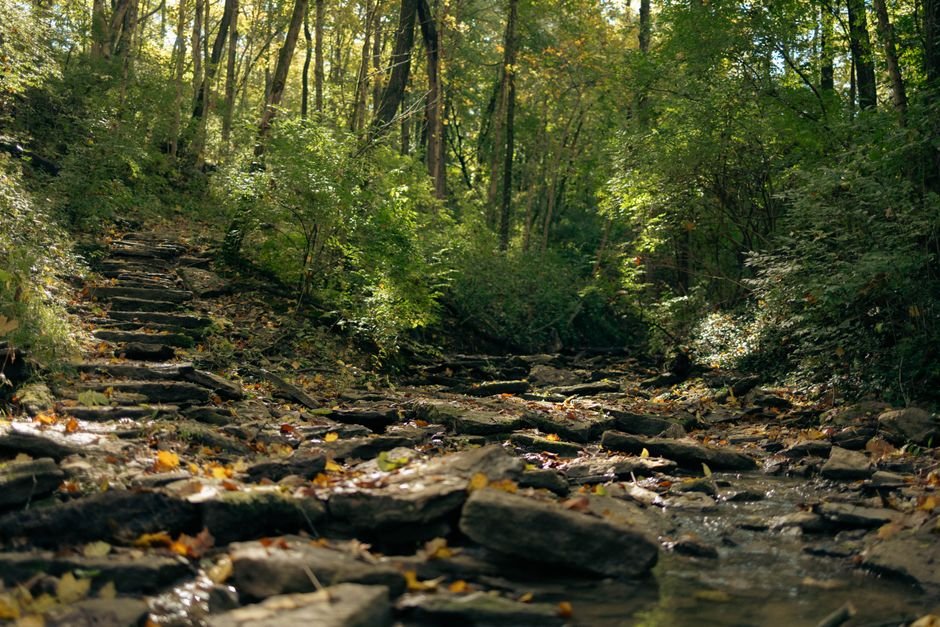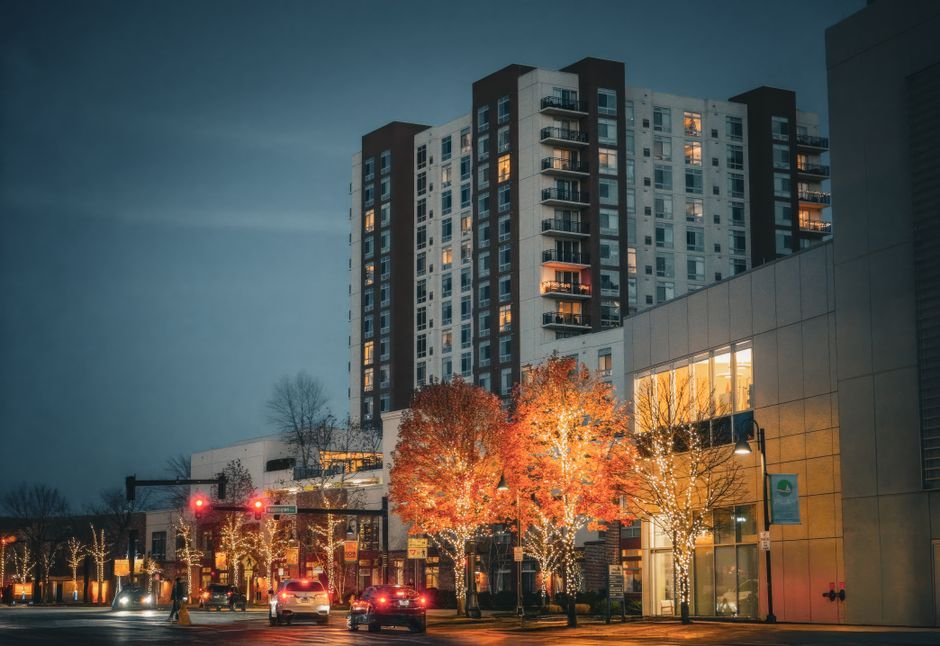
I rolled into Memphis on a Thursday afternoon with plans to spend a week here, but by day three I was itching to see what lay beyond Beale Street and the Peabody Hotel. The thing about Memphis is that it sits right in the middle of some genuinely interesting territory—the Mississippi Delta to the south, the Arkansas Ozarks to the north, and a handful of small towns that punch above their weight in terms of history and character. Most of these spots are close enough that you can make a real day of it without spending half your time in a car.
I started mapping out drives and realized that within an hour or two from downtown, you can find everything from Civil War battlefields to underground streams to juke joints that have been operating since your grandparents' era. This isn't the kind of region where day trips feel like an afterthought—they're legitimate alternatives to staying put, and honestly, they'll give you a much fuller picture of the Delta and what it actually means.
Clarksdale, Mississippi: Ground Zero for Delta Blues
Clarksdale is 70 miles south, about 90 minutes straight down US-61. It's the closest thing the Delta has to a cultural hub, and it matters—this is where Robert Johnson allegedly sold his soul to the devil at a crossroads, where Muddy Waters and John Lee Hooker got their start, where the blues didn't just happen to exist but were actually born.
You'll want to spend time at the Delta Blues Museum, which is housed in a restored railroad depot and covers the music's history without being overly precious about it. There's also the Coahoma County Civil Rights Museum if you want context beyond just the music. But honestly, the real experience is wandering the town itself—hitting ground-level juke joints in the evenings, grabbing food at a diner, maybe catching live music if you time it right. Ground Zero Blues Club is the most famous spot now, but it's also the most touristy; locals will point you toward smaller places if you ask around.
Best season: Fall and spring. Summers are genuinely brutal down there—hot and humid in a way that makes even walking around feel like a chore. Winter is fine, just cool. I'd go in October or April if I had my choice.
Shiloh National Battlefield: Heavy Civil War History
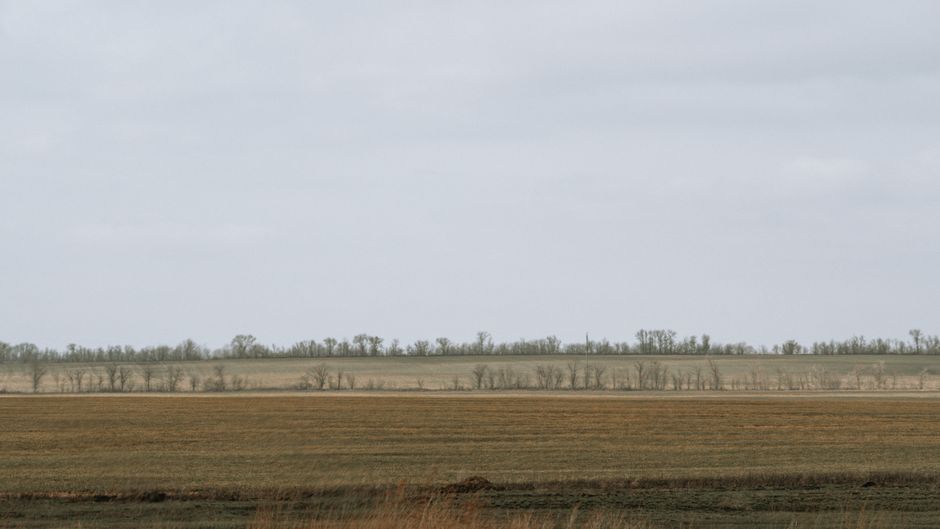
Shiloh is about an hour north, right on the Tennessee-Mississippi border near Savannah. If you care about American history at all, this matters. The battle fought here in April 1862 was one of the bloodiest of the Civil War, and the national park does a serious job of laying out what happened and why it mattered.
You can drive the nine-mile loop road and stop at marked positions, which gives you a real sense of the terrain and how the battle unfolded. The visitor center has exhibits and a short film that's worth watching before you head out. Most people spend two to three hours here—longer if you're reading all the markers and doing the walking trails. It's not a place to rush through.
The town of Savannah itself, just down the road, has some decent restaurants and old homes if you want to spend extra time. But Shiloh is the draw. Go in any season, really—it's open year-round and doesn't have the brutal heat issues you get further south. Spring is particularly nice because the grounds are maintained well and there's something about seeing a battlefield in bloom that hits different than seeing it in dead brown grass.
Tunica, Mississippi: Casinos and River History
Tunica is about 35 miles south of Memphis, maybe 45 minutes drive. It's the closest gambling option if that's your thing, and unlike some desperate casino towns, it's built on actual Delta history and sits right on the Mississippi River itself.
The casinos here are real operations—Harrah's, Horseshoe, Beau Rivage—and they're not just slots and tables. Most have decent restaurants and some live entertainment. But if you're not a gambler, there's still reason to come out. The Delta location itself is worth seeing: you can walk along the river, visit the Tunica River Park, and get a feel for what made the Mississippi so central to American commerce and culture. The area has also developed some actual restaurants and breweries that cater to people just passing through, not just tourists losing money.
Honestly, if you're coming from Memphis for the day, you could do a couple hours of gambling, a decent lunch, and a riverside walk, and feel like you got something out of it. It's not pretentious, and it doesn't try to be anything other than what it is.

Lost River Cave and Horse Cave, Kentucky: Caves and Small-Town Kentucky
This one requires the longest drive—about two hours north to the Hart County area of Kentucky—but if you're into geology, natural history, or just want to see a genuinely different landscape, it's worth the time. Lost River Cave is a working cave with an underground river, and you can take a boat tour through it. Horse Cave is nearby and offers a different experience: it's a bigger cavern with more walking and exploring.
The caves themselves are cool—underground streams, stalactites, the usual cathedral-like sense of scale that makes you realize how small you are. The tour guides are knowledgeable and not overly theatrical. The whole area is very much not the Delta; you're in actual Appalachian foothills, with a completely different landscape and culture.
The town of Horse Cave itself is small and quiet, which is either appealing or boring depending on what you're looking for. There are a couple of local restaurants and shops, but you're not coming here for the town—you're coming for the natural features. Best time to visit is late spring through early fall, when the caves are fully accessible and the underground river is stable. Summer can be crowded; I'd aim for May or September if possible.
Beaumont House and Hatchie River Area: Historic Homes and Hiking
This is less of a specific destination and more of a regional day trip option: the Hatchie River area, about an hour northeast of Memphis in Tennessee, offers hiking, canoeing, and access to some well-preserved historic properties. The Beaumont House is one example—an antebellum home that's open for tours—but there are others in the area, and the river itself is the real draw for people who want to get outside.
Canoe and kayak outfitters operate along the Hatchie, and if you're into that, you can spend a full day on the water. The river is manageable for beginners but interesting enough for people with experience. The whole area has a much less touristy feel than some of the other destinations on this list—you're more likely to see locals doing actual recreation than tour groups.
This is the place to come if you want a day that's more active and less historically focused. Late spring through early fall is best for paddling; summer can be hot on the water, but it's doable. The hiking around the Hatchie is good any season, though fall is probably ideal.
Logistics and Real Talk
All of these trips are doable as day drives from Memphis. I'd rent a car if you don't have one—public transit in Memphis is limited, and these destinations basically require wheels. Gas is cheap enough that a 150-mile round trip isn't going to break you.
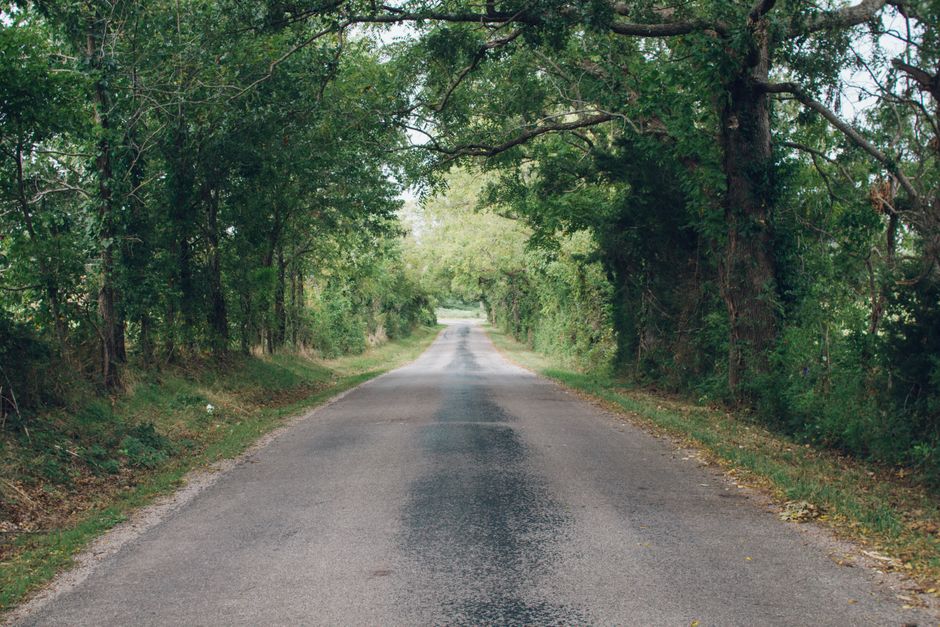
Don't try to do more than one per day unless you're really committed to driving. Clarksdale and Tunica could theoretically be combined since they're both south, but you'd be rushing, and the point of a day trip is usually to actually spend time somewhere. Pick one, give it three to four hours minimum, and treat the drive as part of the experience rather than a burden.
I'd also suggest calling ahead to check hours, especially for smaller museums and historic properties. Some things operate seasonally, and some have weird Tuesday-Wednesday closures. The last thing you want is to drive an hour and find a locked gate.
When to Go, and Why Timing Matters
Memphis summers are legitimately uncomfortable—humid in a way that makes walking around feel like wading through soup. If you're planning multiple day trips, avoid June, July, and August unless you're the type who loves extreme heat. The sweet spot is April through May or September through October. Weather's mild, things are generally open, and you're not dealing with the school-year crowds you get at some attractions.
Winter is fine. It's rarely brutally cold in Memphis, and the Delta doesn't get heavy snow. Spring and fall also mean the historic sites and outdoor areas feel less crowded, which is its own kind of win. You'll actually be able to hear the tour guides and think while you're looking at things.
If you're coming during peak tourist season (spring break, summer vacation, major holidays), plan to go early in the day or on a weekday if you possibly can. Shiloh Battlefield especially can get crowded on weekends during prime season.