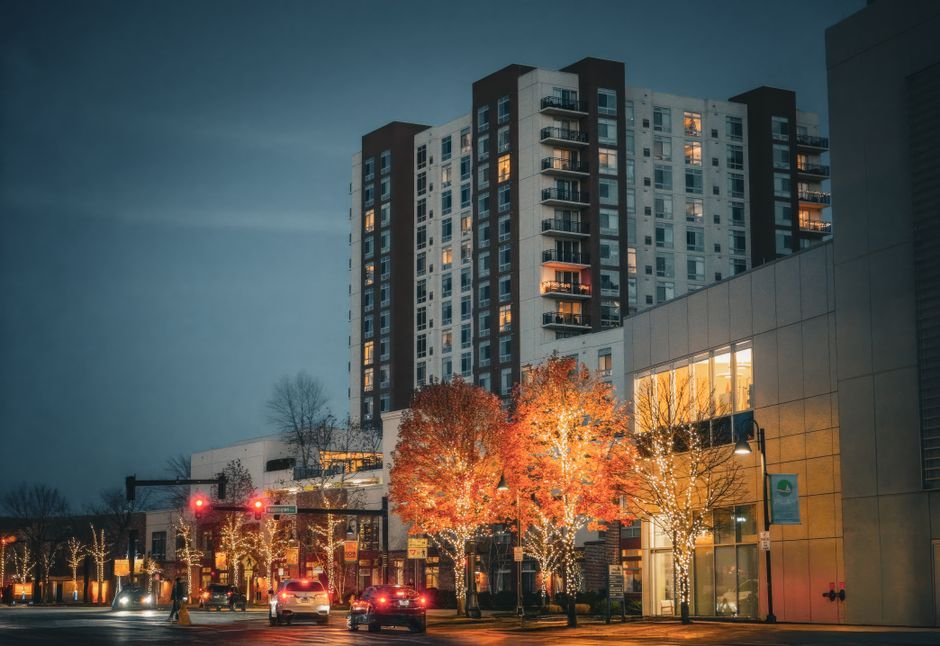
I rolled into Memphis on a humid afternoon in late summer, got lost twice trying to find my hotel, and realized pretty quickly that this city doesn't hand itself over on a silver platter. That's part of the appeal. Unlike places that trumpet their walkability and charm, Memphis feels lived-in, complicated, genuinely rooted in its history. After spending time in five distinct neighborhoods, I started understanding which parts suited which kinds of people—and which ones kept me up at night in the best way.
Memphis gets stereotyped. Blues, barbecue, Graceland, civil rights history. Those things are real, and they matter, but the city's neighborhoods tell you what actually lives here now: young families, artists, remote workers, people who've stayed for decades, people just arriving. Not all neighborhoods work for all people. That's the whole point.
Midtown: Young Professionals and Creative Types
Midtown is where you'll spot the infrastructure of a neighborhood actively trying. Cooper-Young Avenue (the Cooper-Young Historic District, technically) sits at Midtown's heart, anchored by a string of restaurants, bars, and coffee shops that actually seem to serve people who live there, not just tourists passing through. The Cooper-Young Festival every September draws crowds, but most days it's just a functioning neighborhood where people walk to dinner.
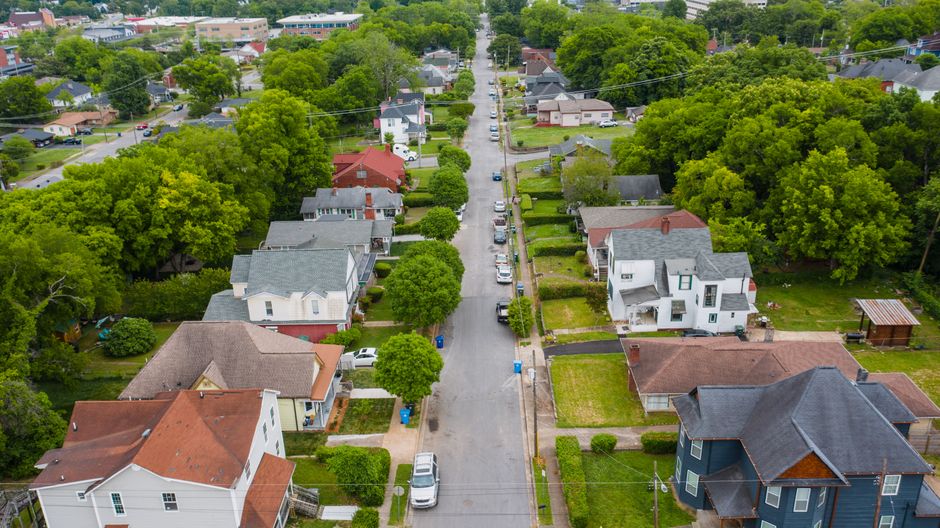
The housing stock runs to Victorians and renovated bungalows, many of them reasonably priced compared to comparable neighborhoods in other cities. Young professionals and creative types cluster here—graphic designers, musicians who aren't famous yet, freelancers who use coffee shops as office space. There's a college-adjacent energy without the college. I stayed in an Airbnb on a side street off Cooper and watched the street fill up around 6 p.m. as people left work and headed for drinks.
It's not perfect. Some blocks feel safer than others, and like most urban cores in the South, you need to have your wits about you at night and pick your routes. But it's genuinely mixed-use, which is rarer than you'd think. For someone moving to Memphis between 25 and 40 who works in creative fields or wants to be close to restaurants and nightlife, Midtown makes sense.
Downtown: Tourists and History Hunters
Downtown Memphis is where the major attractions cluster: Beale Street (the music district, for better or worse), the Memphis Rock 'n' Soul Museum, the National Civil Rights Museum at the Lorraine Motel, Graceland is nearby. If you're in Memphis for three days and want to hit the main beats, you'll spend time here. Hotels downtown are plentiful and expensive during tourist season.
But I wouldn't move here as a resident unless your job required it or you loved living around tourist infrastructure. The energy shifts dramatically between 10 a.m. and 10 p.m.—Beale Street becomes a neon strip designed for bachelorette parties and cruise-ship crowds, and the residential neighborhoods that do exist feel disconnected from the commercial core. There are residential lofts in converted warehouses, and some of them are genuinely nice, but they're pricey and they orbit around a tourist economy.
That said, if you want to be downtown, the area near South Main Street and the South Memphis Arts District has more authentic character. Galleries, smaller restaurants, less crowded sidewalks. It's still not really a neighborhood where people build lives—it's more a place to visit or a base while you figure out where else in the city you belong.
Germantown: Families and Established Professionals
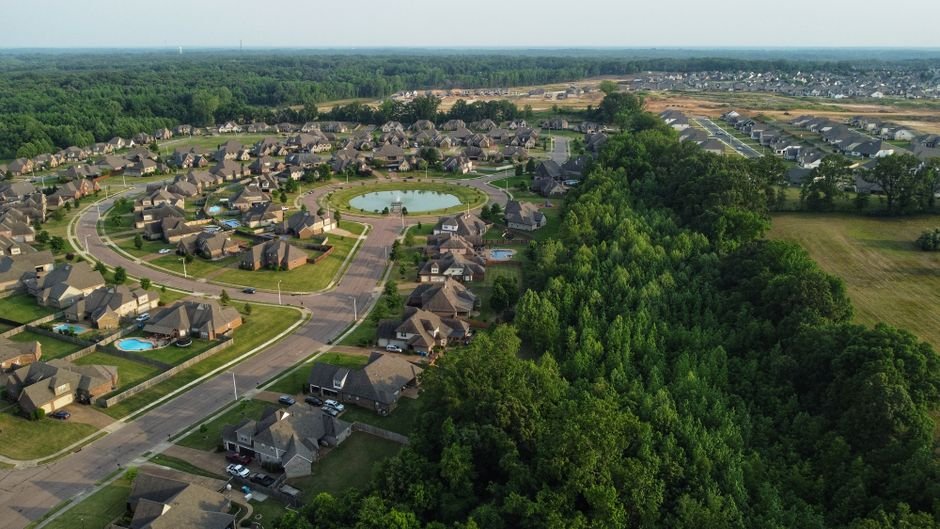
Germantown is a suburb, technically, but it's close enough that it shapes how people think about living in the Memphis area. Drive south from Midtown toward Germantown and the landscape shifts: wider streets, more parking, bigger yards, chain restaurants mixed with local spots. Main Street in Germantown has seen recent revitalization—new breweries, coffee shops, some local restaurants—but it still feels like a town center trying to recapture something rather than a naturally organic gathering place.
Families with school-age kids and established professionals in their 40s and 50s tend to land here. The schools are good. There's a Whole Foods and other chain amenities. Traffic is reasonable compared to actual suburbs. The housing is newer and more expensive than Midtown or Cooper-Young, but you get square footage and safety in a more conventional sense. Germantown feels safe in that suburban way—there are fewer surprises, which is either exactly what you want or exactly what you're trying to escape.
I visited a friend who moved here with two kids and understood the logic immediately. If you're in Memphis for stability, good schools, and you don't need walkable nightlife, Germantown is practical. It's not exciting, but it works.
Cooper-Young District: Families, Artists, People Building Community
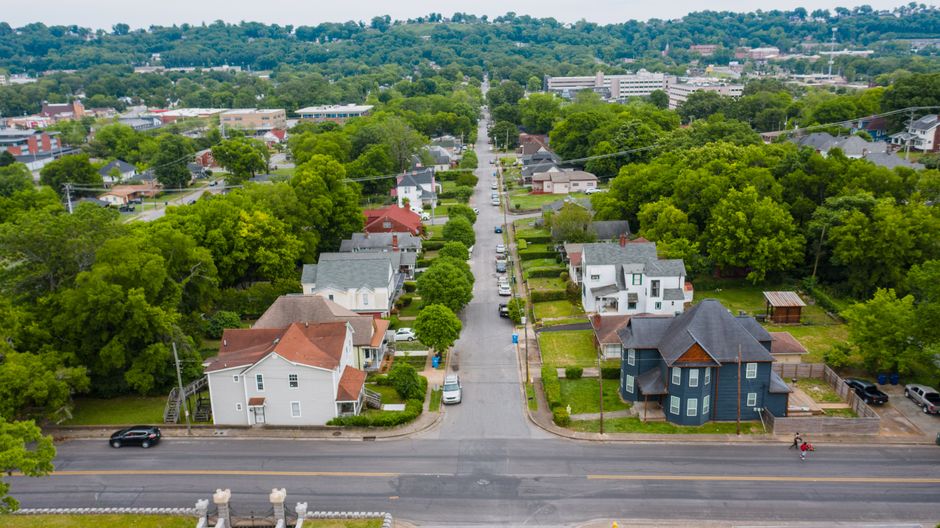
Wait, I already covered Cooper-Young as part of Midtown, but it deserves its own moment because it's genuinely distinct. The Cooper-Young Historic District (Cooper Avenue and Young Avenue as the spine) has developed its own micro-identity even though geographically it's in Midtown. There are families here with kids, artists with studios, people who moved to Memphis specifically because it was affordable enough to actually build something.
The restaurant scene is better than it has any right to be for a neighborhood this size. Local spots, not chains. A bookstore. Vintage clothing. An ice cream shop that gets crowded on warm days. The street festivals work because the neighborhood isn't built for them—they actually change the energy rather than capitalizing on an existing one. Housing is older, which means character but also potential problems. Streets are genuinely walkable. Kids play in yards.
This is the neighborhood where you feel like you've stumbled into real Memphis rather than a Memphis attraction. It suits creative families, people who want community, single professionals who value character over newness. It's got downsides—older infrastructure, variable safety blocks to block—but it has soul in a way the newer neighborhoods don't.
Cordova: Retirees and People Seeking Quiet
Cordova is further east, a quieter, more suburban extension of the metropolitan area. It's become a retirement destination—reasonably priced, safe, close enough to Memphis for culture and restaurants but far enough for peace. Golf courses, newer developments, chain restaurants. The demographic skews older, which means the neighborhood is stable and quiet but less diverse in age and energy.
If you're moving to Memphis to be near family, or you're retired and want to be in the region without living in an urban core, Cordova works. The trade-off is anonymity and distance. You're not walkable. You're not going to stumble onto hidden restaurants. You're going to get reliable, predictable suburban living. It's not bad. It's just different from every other neighborhood on this list in kind, not just degree.

The Honest Truth About Safety and Staying Put
This is where I need to be direct. Memphis has real crime. Property crime and violent crime. Different neighborhoods have different risk profiles, and if you're moving here or visiting, you need to research specific streets and blocks, talk to people who live there, ask hard questions. No neighborhood write-up is worth ignoring actual safety data.
That said, thousands of people live good lives in Memphis across all of these neighborhoods. Safety isn't binary. It's situational and specific. Midtown is generally safer than some neighborhoods I didn't cover. Germantown is safer in a conventional suburban sense. But all of them require basic urban awareness—locking your car, not walking alone at night through unfamiliar areas, understanding which blocks shift at certain hours. It's not unusual for a Midtown neighborhood to have one block that feels fine and another block a block away that feels different. Ask locals. They'll tell you.
What I Learned Staying Put for a Week
I didn't solve Memphis in seven days. But I understood why people stay. The city isn't trying to be somewhere else. The food is good and cheap. The history is unavoidable and complicated in ways that matter. The neighborhoods have distinct characters because they weren't built all at once or marketed as lifestyle brands.
Choose Midtown or Cooper-Young if you want walkability and energy. Choose Germantown if you want stability and family infrastructure. Choose Downtown if you're visiting and want the main attractions. Choose Cordova if you want quiet. And understand that Memphis isn't a city that reveals itself quickly. You have to stay long enough for it to make sense.