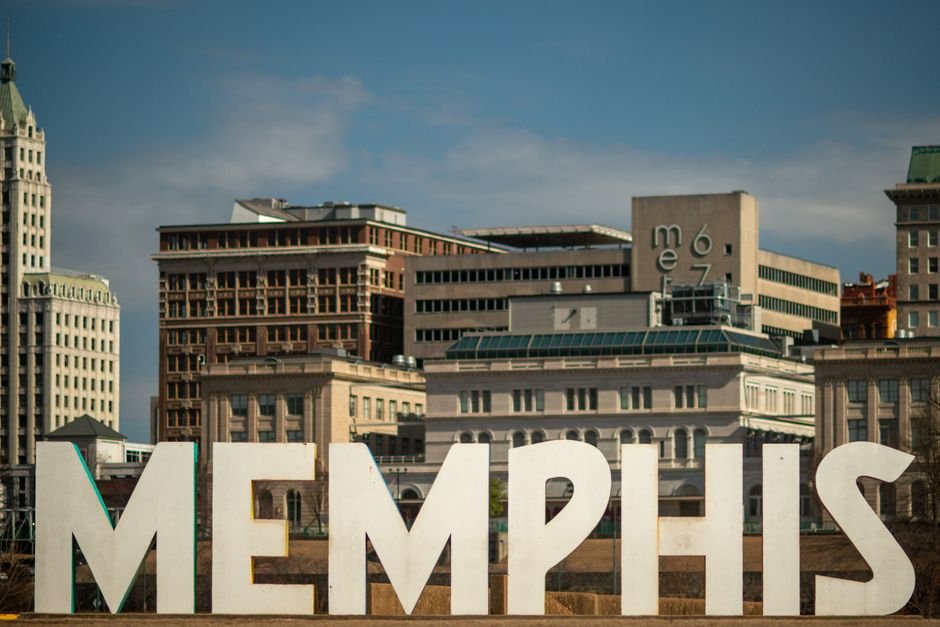
I showed up in Memphis on a Thursday afternoon expecting the usual Southern charm mixed with a heavy dose of blues mythology. What I found was more complicated: a city full of genuine music history, but also one that's learned to monetize it in ways that sometimes feel more theme park than authentic. After spending a week working my way through both the blockbuster tourist stops and the quieter corners, I came away with some opinions. Some of the spots everyone tells you to visit left me cold. Others—the ones nobody talks about—were the ones that actually stuck with me.
The Overrated Circuit
Let's start with Graceland. Look, I understand the pilgrimage aspect. Elvis is important to music history, and the house itself is historically significant. But the experience? It's been turned into an extremely polished, extremely expensive museum tour that processes visitors like a factory. You move through roped-off sections, audio guide in hand, and by the time you get to the actual personal artifacts, you're thinking about the parking fee. The gift shop is enormous. The tours start at around $15 for the basic version and climb from there. If you're a hardcore Elvis completist, fine. Otherwise, you're paying to see a well-maintained mansion, not to understand the man who lived there.
Beale Street gets the same treatment. I walked down it at night expecting a legendary music destination and found, well, a pedestrian shopping mall masquerading as the birthplace of the blues. The live music venues are there, sure, but they're packed with bachelor parties and cruise ship tourists. The bartenders are overworked. The bands are competent but interchangeable. A drink costs twice what it should. The street has history—genuine history—but you're not experiencing it so much as consuming a packaged version of it.

Sun Studio and the Graceland Ecosystem
Sun Studio sits on the same tier. It's the studio where Elvis, Johnny Cash, and early rock and roll were literally made. That matters. But the tour is cramped, rushed, and—again—expensive for what you actually get to see and do. You're herded through, told the stories (many of which you've already heard), and out the door. The studio control room is tiny. The equipment is old. There's not much hands-on engagement. You can't sit at the piano. You can't touch anything. You're watching, not participating in any meaningful way.
The National Civil Rights Museum Can Disappoint
The Lorraine Motel, where Dr. Martin Luther King Jr. was assassinated, is now the centerpiece of the National Civil Rights Museum. The building itself is heavy with historical weight, and that weight matters. But the museum experience can feel distant. The presentation is earnest and important, but for solo travelers looking to actually sit with the history rather than move through it, the experience sometimes lands flat. The temporary exhibitions rotate, so depending on when you visit, you might get something that adds depth or something that feels thin. It's worth a visit, but I'd manage expectations.

What Actually Deserves Your Time: The Stax Museum
Here's where my opinion starts to diverge from the typical tourist itinerary. The Stax Museum of American Soul Music, housed in the old Stax Records studio building, is the real deal. It's less famous than Sun or Graceland, which means fewer crowds. But it's the actual heart of Memphis soul music—the place where Otis Redding, Sam & Dave, the Staple Singers, and so many others made records that still define American music. The museum is thoughtfully arranged, the archival material is extensive, and the staff actually seem to care about the music rather than the transaction.
Walking through the studio itself—the actual room where these legendary sessions happened—hits differently than a tour of Elvis's living room. You can see the isolation booth. The control room is right there. The scale is human, not mansion-sized. A ticket costs less than Graceland, and you'll spend more time actually learning something. If you love soul music or want to understand why Memphis mattered to American culture, this is the move.
Cooper-Young and the Neighborhoods Worth Exploring
The Cooper-Young district, centered around Cooper and Young streets in midtown, is where Memphis actually lives. It's a mix of vintage shops, coffee places, used bookstores, and restaurants that aren't trying to be attractions. You'll see actual residents, not tour groups. There's a sense of place here that Beale Street abandoned years ago. I spent an afternoon wandering, stopped at a coffee shop run by someone who actually seemed happy to be making coffee, and didn't feel like I was being processed. The neighborhood is still gentrifying, which brings its own complications, but it's genuine in a way that matters.
If you want live music without the velvet rope and drink minimums, check what's playing at places like the Levitt Shell in Overton Park or, depending on timing, one of the smaller venues in Cooper-Young. The music might be contemporary bands rather than old blues legends, but you're hearing actual musicians talking to actual audiences, not performing for tourists who came for a photo op.

Bass Museum and Hidden Music History
The Bass Museum of Art in Overton Park is small, sometimes overlooked, and genuinely interesting if contemporary art is your thing. But even if it's not, Overton Park itself is worth time. It's green, it's quiet, and it's one of the few spaces in Memphis that feels like it exists for residents rather than visitors.
For music history that goes deeper: the W.C. Handy House is modest and doesn't pull in crowds, but it's an intimate look at one of the foundational figures in blues music. The National Ornamental Museum (yes, really) has a surprising collection and almost never has lines. These aren't Instagram-famous, which is exactly why they're worth your attention.
The River and Actual Memphis
The Mississippi River is right there, and yet the waterfront tourist development still feels half-finished. But if you just walk along the river without hitting the designated attractions, you get a different sense of the city—older, quieter, less performed. There are spots to sit. The water moves. It's not trying to sell you anything.
Eat where locals eat. A food truck in a parking lot might teach you more about Memphis than a restaurant with a gift shop. The barbecue is real here—take people's word on their favorite spot rather than looking for the one with the most reviews. Regional chains that seem nothing special from outside? Often deeply rooted in Memphis food culture. Talk to people. Ask questions. The city reveals itself differently when you're not following a predetermined path.
The Honest Take
Memphis wants to be loved for its music history, and that history is real and significant. But some of the major attractions package that history in ways that feel more like commerce than culture. The spaces that still breathe, that haven't been completely monetized, are where the actual character lives. Spend time in the neighborhoods. Go to the smaller museums. Sit by the river. Talk to people who live here. That's where you'll understand why Memphis has always mattered to American music and American history, well beyond what any tour can tell you.