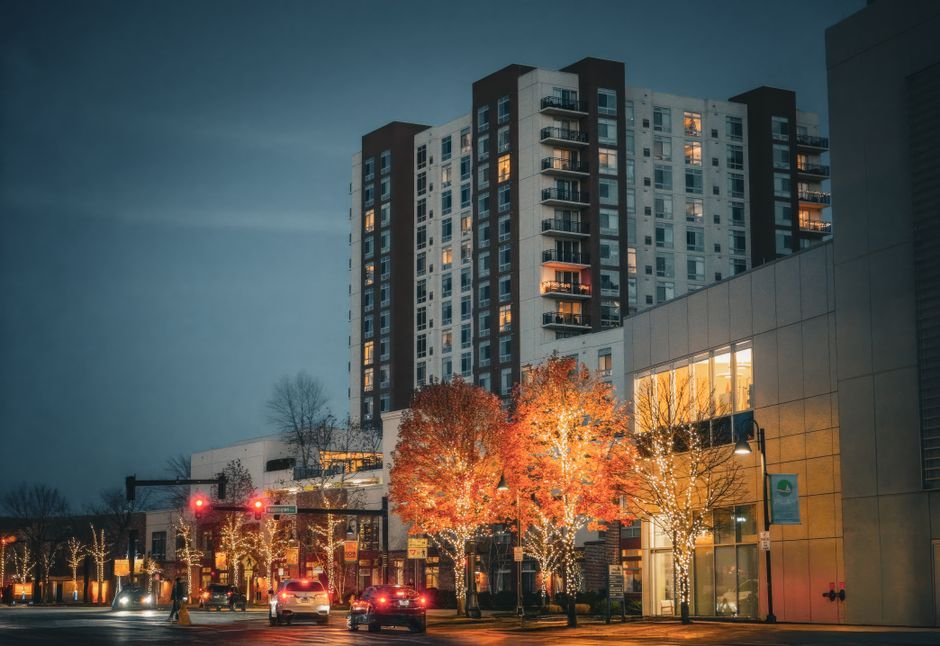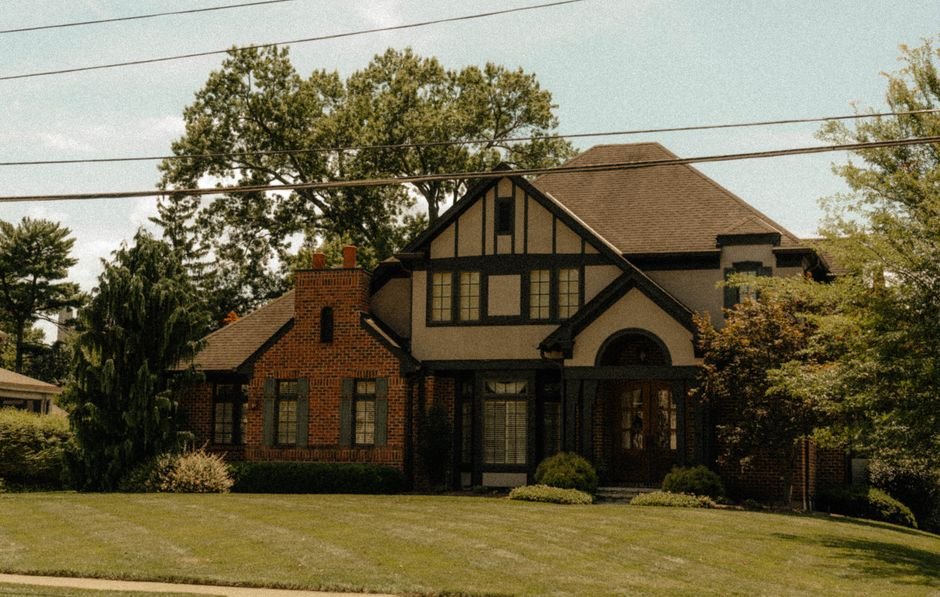
I rolled into Louisville on a humid September afternoon, the kind of thick air that makes you understand why the city sits on a river. Driving down Bardstown Road, past the quirky boutiques and restored Victorian homes, it struck me that this wasn't a retirement destination I'd heard much about—which made me curious. Everyone talks about Asheville or Charleston for that demographic, but Louisville? It seemed to operate under the radar, which sometimes means undervalued.
After spending a few weeks poking around neighborhoods, talking to people who'd actually made the move here in their 60s, and digging into what retirement actually looks like in this city, I came away with a more nuanced picture than any glossy relocation guide. Louisville has real appeal for certain retirees, but it's not a universal fit. Here's what matters if you're seriously considering it.
Cost of Living: Genuinely Affordable, But Know What That Means
Louisville's cost of living is legitimately one of its strongest selling points. Housing prices are well below the national average—you can find solid older homes in desirable neighborhoods for $200,000 to $350,000, whereas comparable properties in Asheville or Nashville run 30 to 50 percent higher. Groceries, utilities, and restaurant meals are all reasonable. A nice dinner out won't leave you feeling punished.
The flip side is that some of this affordability reflects the local economy. Wages and jobs have never been booming here the way they have in trendier cities. If you're retiring on a fixed income, that's actually a strength. If you're someone who measures a city's vitality by startup energy and rapid development, Louisville might feel a bit slower-paced than you'd like.
Rent, if you're not buying, runs low. A one-bedroom apartment in a good area downtown or in the Highlands neighborhood might run you $900 to $1,200 a month. Compare that to $1,500 to $2,000 in Charlotte or Nashville, and the difference compounds over decades.

Healthcare: Good University Hospital, But Urban Bottlenecks
UofL Health and Baptist Health are the major systems here, and both are solid. UofL Hospital is a Level 1 trauma center with decent specialists, which matters as you age. I spent time near one of their facilities and the competence level felt reassuring. For routine care, there are plenty of practices, though getting appointments can take time during busy seasons—standard issue in any mid-sized city.
The thing people don't always mention: Louisville's healthcare infrastructure is concentrated downtown and a few other major nodes. If you're retiring to a quieter edge area or a small town nearby, you might be 20 to 30 minutes from a major hospital. That's not catastrophic, but it's worth factoring in if you have ongoing health needs. Specialists can have wait times. Nothing shocking compared to rural areas, but if you're used to the convenience of a mega-city, adjust expectations.
Climate and Weather: Hot Summers, Mild Winters, High Humidity
Louisville summers are sweaty. We're talking 85 to 92 degrees regularly, with humidity that makes the air feel thick from June through September. If you hate heat, this isn't your move. If you're okay with AC bills and air-conditioning-dependent living, it's manageable. Winters are brief and mild by northern standards—rarely brutal, though you'll see the occasional ice storm that shuts everything down for 24 hours.
Spring and fall are genuinely beautiful. The Ohio River offers visual relief, and the tree canopy in neighborhoods like the Highlands creates some genuinely pleasant older-city aesthetics. If you're coming from extreme climates on either end, Louisville's moderate winters might actually feel like a win. You won't be shoveling snow all winter, but you also won't be dealing with Southern summer heat quite as punishing as Atlanta or Memphis. It's a middle ground, which appeals to some and bores others.

Taxes: Kentucky's Position and What It Actually Means
Kentucky has no state tax on Social Security benefits, which gets attention from people researching retirement destinations. That's real, though it's worth understanding the broader picture. The state's income tax rate on other income is around 5 percent, which is moderate—not aggressively high, not extraordinarily low. Combined with Louisville's reasonable property taxes (around 0.85 percent of assessed value), your overall tax burden is lighter than many states, but heavier than some.
I'd advise anyone seriously considering the move to sit down with a tax professional about your specific situation. How much of your retirement income comes from Social Security versus investments or pensions changes everything. General principle: Kentucky's relatively friendly tax environment for retirees is a legitimate advantage, but it's one piece of a larger financial puzzle. Don't move somewhere you don't actually want to live just because the tax math looks good on a spreadsheet.
The Highlands and Bardstown Road: Walkable, Established, Pricier
The Highlands is Louisville's most obvious retirement draw. Tree-lined streets, restored Victorian homes, easy walkability, boutiques, galleries, and restaurants that don't require a car trip. It's gentrified over the past 15 years, which means it's cleaner and safer than it was, but also that prices have climbed. You're looking at $350,000 to $500,000 for a decent house, or $1,200 to $1,600 for a nice apartment. That's still cheaper than comparable Asheville or Nashville neighborhoods, but it's the premium Louisville option.
The neighborhood genuinely delivers on walkability if that matters to you. Bardstown Road runs through it, packed with local businesses, coffee shops, and restaurants. In my time there, I noticed a real mix of ages—young professionals, families, and retirees who'd been there for decades. There's institutional comfort in that. You're not moving into a retirement community; you're moving into a functional neighborhood where happen to be many people your age.

East End and Jeffersontown: Quieter, Newer, Suburban Feel
If The Highlands feels too dense or too trendy, the East End—loosely the area around Watterson Park and extending toward Jeffersontown—offers a suburban feel with easier access to newer construction. Single-family homes in the $250,000 to $400,000 range are common. It's quieter, more car-dependent, less boutique-y. You're trading walkability for space and new construction if that's what you're after.
Jeffersontown proper sits just outside Louisville proper and has become a suburban option for retirees looking for even lower prices and a small-town feel while staying close to the city's amenities. It's where you retire if you want a third of an acre, a two-car garage, and reasonable property taxes without feeling like you're in the middle of nowhere. The tradeoff is obvious: you're driving to things rather than walking to them.
Shelbyville and Frankfort: Nearby Small-Town Alternatives
If Louisville itself feels too urban, Shelbyville (about 30 miles east) and Frankfort (25 miles north) are worth considering. Both are small towns with deep Kentucky character—horses, bourbon history, slower rhythms. Housing is even cheaper, and the sense of community is tighter. Frankfort, being the state capital, has a bit more institutional stability and some cultural amenities. Shelbyville is quieter, more rural-leaning.
These work if you want small-town living but don't want to be completely cut off. You're 30 to 45 minutes from good hospitals and urban restaurants. Many retirees I spoke with chose these towns precisely because they get small-town peace without feeling abandoned. Healthcare access isn't as immediate as Louisville, but it's not a major hardship either.
The Real Question: Is This Actually for You?
Louisville makes sense for retirees who want affordability without sacrificing urban amenities, who don't mind humidity, and who value walkable neighborhoods and a functioning local food and arts scene. It's not a sun-and-golf destination. It's not particularly trendy or fast-growing. It's a working city with character, where you can afford to live well without counting pennies.
It doesn't work if you need dry, warm weather year-round, if you're after a planned retirement community, or if you want to be in a booming real-estate market. It also doesn't work if you're looking for cutting-edge healthcare or world-class specialists at your doorstep—Louisville's medical system is good but not exceptional.
My honest read: spend a week or two here during summer. Stay in The Highlands for a few days, drive the East End, take a day trip to Shelbyville. Talk to people who've already moved. If the humidity doesn't drive you crazy and the pace feels right, you've found something genuinely undervalued. If not, you'll have saved yourself from a $300,000 mistake.