In the most alarming day of the six-week Iran war, Iran shot down an F-15E Strike Eagle the first U.S. jet lost to enemy fire in over 20 years — while a desperate search-and-rescue mission scrambles across hostile territory to find the missing weapons officer.
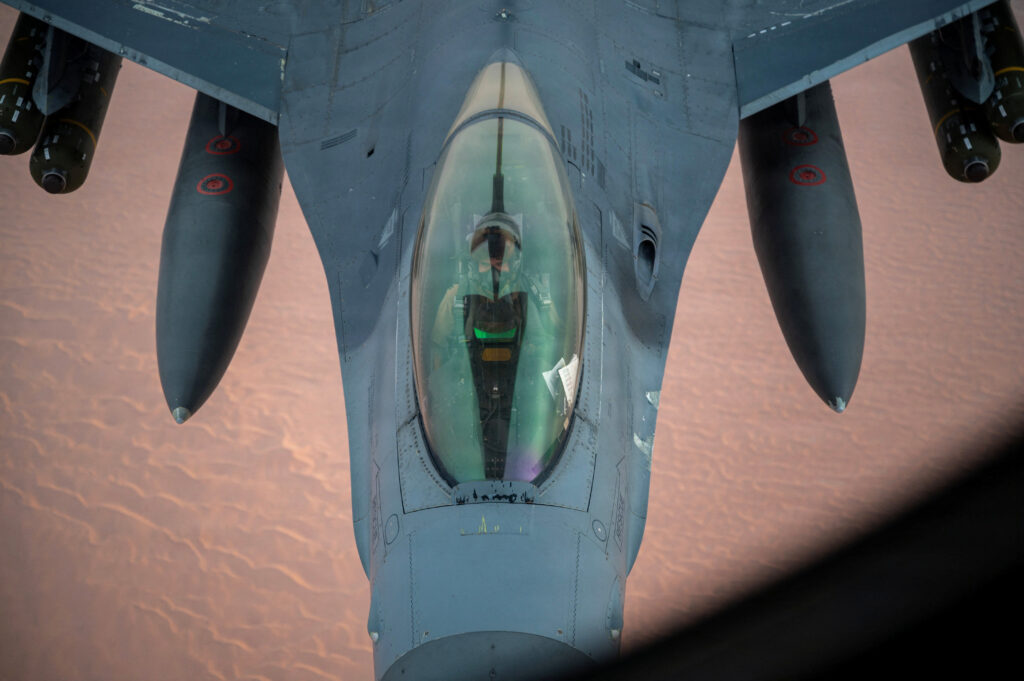
It was supposed to be another day of what Pentagon officials called “undeniable progress.” Instead, Friday, April 3rd became what Iran’s military quickly branded “Black and Humiliating Friday” for the United States the day an F-15E Strike Eagle was shot out of Iranian skies, shattering weeks of American claims of air dominance.
The two-seat jet, flying combat operations as part of Operation Epic Fury, was struck by Iranian fire somewhere over central Iran. Both crew members a pilot and a weapons systems officer ejected safely. U.S. Special Forces located and rescued the pilot alive. The weapons systems officer, however, remains unaccounted for, and a massive, dangerous search-and-rescue effort is still underway as of Sunday morning.
“No, not at all , it’s war.” President Trump, when asked if the downed jet would affect Iran peace negotiations
The rescue effort itself quickly escalated into a harrowing chain of events. An A-10 Warthog attack jet flying support for the rescue took enemy fire near the Strait of Hormuz — its pilot ejected and was safely recovered. Two Black Hawk helicopters also drew small arms fire from Iranian civilians and armed men on the ground, with crew members sustaining non-life-threatening wounds. Videos verified by NBC News showed armed men in southwestern Iran firing on low-flying U.S. helicopters. Iranian state TV offered a $60,000 bounty for anyone who could capture American airmen alive, and local governors put out a public call for civilians to join the hunt.
Friday, Apr. 3 morning: F-15E shot down by Iranian forces over central Iran. Both crew eject safely.
Friday afternoon: U.S. Special Forces rescue the pilot on Iranian soil. Search continues for second crew member.
Friday evening: A-10 Warthog takes fire during rescue ops near Strait of Hormuz; pilot safely ejected. Black Hawks take small arms fire; crews wounded.
Saturday, Apr. 4: Trump warns Iran “time is running out” to reopen Hormuz, threatens “all Hell” if no deal by Monday.
Sunday, Apr. 5: Search for missing crew member ongoing. Iran vows to “regain full control” of its skies.
The incident is a jarring reality check on weeks of triumphalist rhetoric from Washington. Just 24 hours before the jet was downed, CENTCOM Commander Admiral Brad Cooper declared that Iran’s “air and missile defense systems have largely been destroyed.” President Trump himself said Wednesday, “They have no anti-aircraft equipment. Their radar is 100% annihilated. We are unstoppable as a military force.” Friday proved otherwise and roughly half of Iran’s missile launchers remain intact, according to U.S. intelligence assessments reviewed by CNN.
Meanwhile, the economic fallout from the six-week-old war continues to ripple globally. The Strait of Hormuz remains partially blockaded, sending oil prices surging more than 40% since the conflict began. Iran has said it will allow “essential goods” through the waterway but offered no specific terms, triggering a global diplomatic scramble as nations dependent on Middle East oil scramble for alternatives.