A year after “Liberation Day,” mom-and-pop shops from Houston to Fort Worth are absorbing billions in tariff costs and they’re not holding their breath for a refund.
$26BPaid by Texas businesses in tariffs, Mar 2025–Jan 2026
$1,500Average added annual cost per U.S. household from tariffs
97%Of U.S. importers classified as small businesses
Daniel Rivera can tell you exactly what a trade war feels like from the checkout counter. His store, Misfit Toys, sits just off a busy highway in Houston’s Heights neighborhood a shop built on the quiet joy of vintage finds, Transformers, and the kind of Saturday-afternoon browsing that big-box stores killed off years ago. But lately, the shelves feel a little different. The prices do too.
“Brand-new toys that maybe would have been $25 now it’s $40, $45,” says Paulina Gamino, Rivera’s wife and the store’s operations manager. “That’s such a huge jump.”
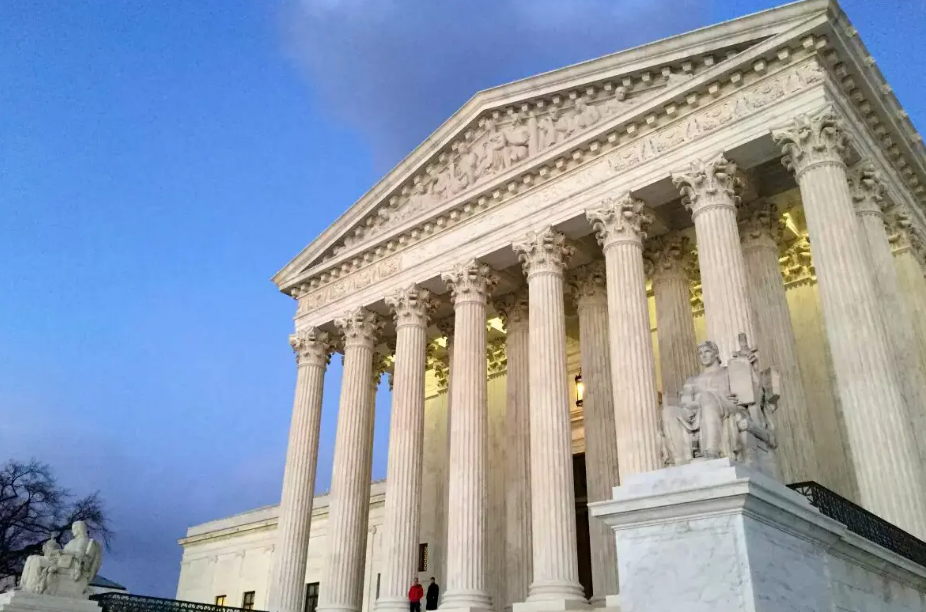
One year ago this week, President Trump declared April 2, 2025, “Liberation Day” and signed an executive order imposing sweeping tariffs on nearly every major U.S. trading partner under the International Emergency Economic Powers Act. The Supreme Court has since ruled six to three that those tariffs were applied illegally. Courts have ordered them refunded. The administration has yet to send a dime back, and new tariffs are already in place to fill the void.
For Misfit Toys, for a brass instrument shop near Fort Worth, for a coffee importer in Houston’s Northside and for tens of thousands of small businesses across Texas the past twelve months have been less about liberation and more about survival.
The Numbers Tell the Story
An analysis of U.S. Census Bureau trade data by the advocacy group We Pay the Tariffs found that Texas businesses alone paid at least $26 billion in presidentially imposed tariffs between March 2025 and the end of January 2026. Nationally, small businesses collectively absorbed $151 billion in tariff costs over the same period all under a legal authority the nation’s highest court later struck down.
The tariffs amounted to what the Tax Foundation called the largest U.S. tax increase as a percentage of GDP since 1993 costing the average American household roughly $1,500 in 2026. For Texas families already squeezed by housing and energy costs, that’s not an abstraction. It shows up at the register.
“One year after Liberation Day, the damage to America’s small businesses goes far beyond what any tariff data can capture. These businesses have spent the last 12 months not growing, not hiring, not innovating but surviving.”— Dan Anthony, executive director, We Pay the Tariffs
Luis Torres, a senior business economist at the Federal Reserve Bank of Dallas, put it plainly: the tariffs hit Texas businesses with increased selling prices, margin losses, and perhaps most damaging of all uncertainty. “You can see how those costs impacted them,” Torres said.
From Heights to Keller: Two Texas Stores, One Problem
Misfit Toys found an unlikely lifeline in Houston’s tech-sector layoffs. When engineers and designers get let go, they often sell off their collections and Rivera buys. But vintage resales can only carry a store so far when parents come in looking for the summer blockbuster tie-ins their kids want. Those toys come from China and Japan, and the tariffs drove prices up by 70 to 80 percent in some cases.
“Our gross sales have gone up. We are able to employ more people,” Gamino said. “But our profits have gone down a lot.”
About 30 miles north, in Keller near Fort Worth, Kacie Wright manages Houghton Horns a specialty brass instrument shop that sources student horns from China and professional instruments from Germany, Japan, and the U.K. Wright said the tariff uncertainty alone has frozen sales.
“If a customer wants to order a custom trombone, we can say, at current pricing it might be $7,000 but then the tariffs could change tomorrow and it could be $6,000 or $9,000,” Wright said. “These instruments take three or four months to make. We have no idea what price to charge them.”
“I have no expectation that we will see this money. We are the last in the line, as a small mom-and-pop who’s not buying huge quantities.”— Paulina Gamino, Misfit Toys, Houston
The Refund That Isn’t Coming
The Supreme Court’s February 20 ruling was supposed to be good news. The six-three decision held that IEEPA does not authorize the president to impose tariffs. The U.S. Court of International Trade ordered the money paid back. Small business owners across Houston said they felt a “sense of relief.”
That relief has curdled. The administration announced it would fight refunds in court and imposed a new 10 percent global tariff under Section 122 the same day the Supreme Court ruled a rate it threatened to raise to 15 percent. Twenty-four states, not including Texas, have now filed suit to block those new tariffs as well.
The U.S. Treasury Department did not respond to requests for comment on the refund timeline. The U.S. Chamber of Commerce calculates that the new tariffs spell a $200 billion annual tax on small businesses going forward.
For Ryan Guay, CEO of FLATED an automotive accessories company based in Missoula, Montana that manufactures in Vietnam a refund would be welcome, but he’s not planning around it. “Based on our experience last year of tariffs, ups, downs, not knowing we’re just running our business and not knowing if there is a refund or not,” Guay said.
Gamino at Misfit Toys was blunter: “We are the last in the line.”
The Argument Washington Makes and What Main Street Hears
The administration has maintained that tariffs will spur American manufacturing — that companies will move production back to U.S. soil and create domestic jobs. For the big players, that conversation is at least plausible. For a toy shop in the Heights or a brass shop in Keller, it’s beside the point.
Misfit Toys can’t build a factory in Guangzhou’s supply chain out of thin air. Houghton Horns can’t relocate German craftsmanship. And even if American raw materials existed at scale, the tariffs on those inputs would still apply.
“Even if you were making the products here in the States,” Guay said, “you would still be paying tariffs on the raw goods to come in to actually produce that product.”
The spring season is coming. Rivera is stocking what he can for the summer movie rush, counting on the vintage hunters, and watching the courts. At Houghton Horns, Wright is telling customers to brace for another six months of price fog. Across Texas, small business owners are doing what Texans tend to do when the rules change without warning: adjusting, adapting, and keeping the lights on — while Washington figures out who owes whom what.