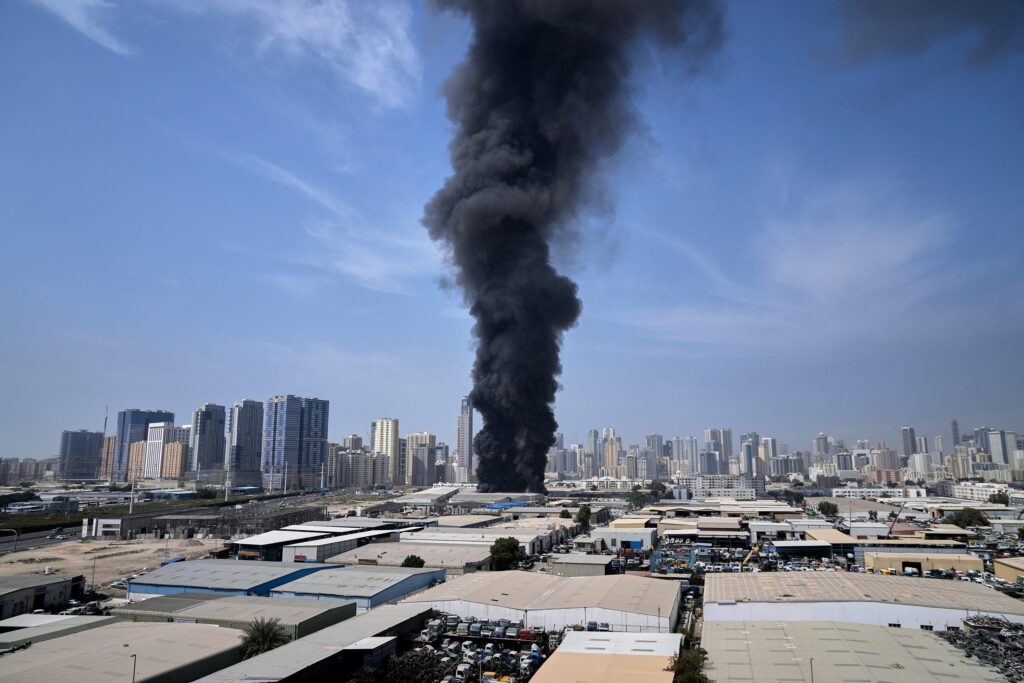
Ceasefire talks collapse as military pressure rises, fueling fears of economic shockwaves and deeper U.S. involvement.
The situation in the Middle East has taken a dramatic turn. Reports confirm that a U.S. fighter jet was shot down over Iran — marking a serious escalation in a conflict that has already stretched for weeks. At the same time, diplomatic hopes appear fragile. Iran has rejected a U.S.-backed ceasefire proposal, signaling that neither side is ready to step back just yet. This is no longer a distant geopolitical issue — it’s directly influencing American defense strategy, global oil markets, and even public sentiment back home. Markets briefly reacted with optimism earlier this week on hopes of de-escalation, but uncertainty still dominates as the conflict continues to evolve hour by hour. Why it matters: For everyday Americans, this could translate into rising fuel prices, economic volatility, and potential military expansion.
Government Shutdown Nearing Resolution
After weeks of disruption, there are signs that the partial shutdown of the Department of Homeland Security could finally end.
Lawmakers are working on a two-track funding strategy that separates immigration enforcement agencies from broader DHS operations — a move aimed at breaking the political deadlock.
The shutdown has already had real consequences: airport delays, unpaid federal workers, and mounting public frustration.
Why it matters:
If resolved, it could restore stability to critical services — but the underlying political divide remains unresolved.