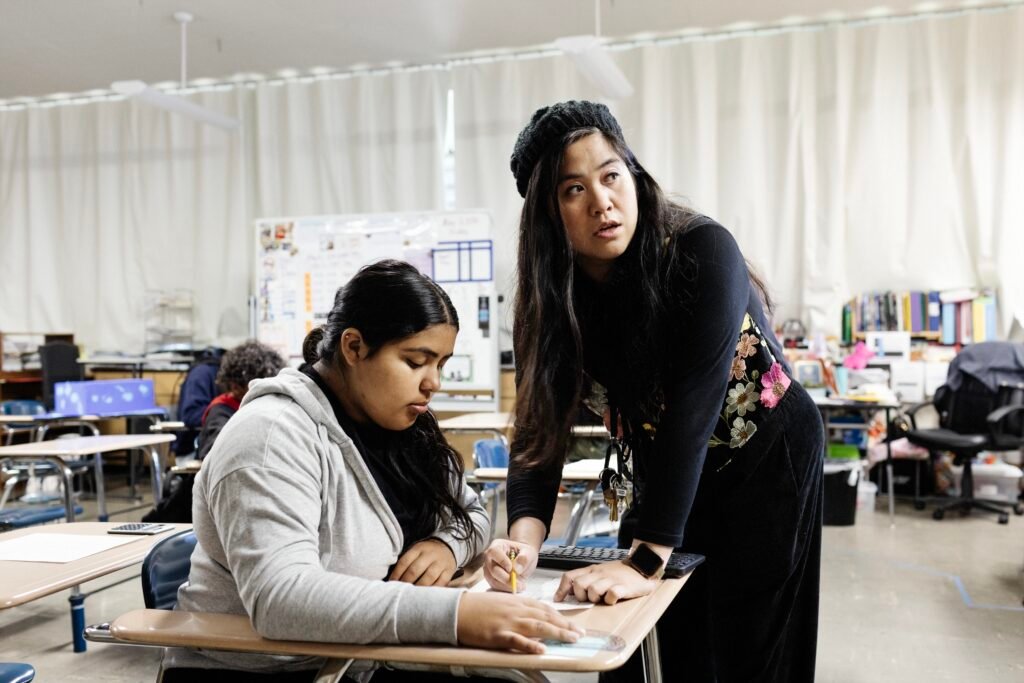
Special education teachers across the country — many of them drowning in paperwork and caseloads — are turning to artificial intelligence to help write customized education plans for students with disabilities. NPR reported the trend on Tuesday, May 20, 2026.
The shift isn’t small. A fast-growing number of special educators now rely on AI tools to draft individualized education programs, commonly known as IEPs. Those documents spell out the specific accommodations, goals, and services each student receives. Writing them by hand eats hours.
Staffing pressure
Special education has been short-staffed for years. Teachers who remain often carry caseloads that were designed for two or three people. That’s the backdrop driving many to experiment with AI — not enthusiasm for the technology itself, but sheer necessity.
Some early research suggests the tools can actually improve the quality of what teachers produce. That’s a counterintuitive finding, given how skeptics view machine-generated text in education settings.
The risk side
IEPs aren’t homework assignments. They’re legally binding documents. Parents can challenge them. Districts can face lawsuits over poorly written plans that don’t meet a child’s needs. Handing any part of that process to an AI tool carries real liability questions that haven’t been fully answered yet.
There’s also the privacy concern. Student disability records fall under federal protections, and feeding that data into AI platforms raises questions about who stores the information and how it’s secured. NPR’s reporting didn’t detail specific safeguards districts are using — or whether consistent guardrails exist at all.
What’s next
No national policy governs how or whether school districts can use AI for special education documentation. Individual districts appear to be making their own calls, teacher by teacher, building by building. Whether federal guidance catches up to what’s already happening in classrooms isn’t clear.
NPR reported this story on May 20, 2026. Read the original report.