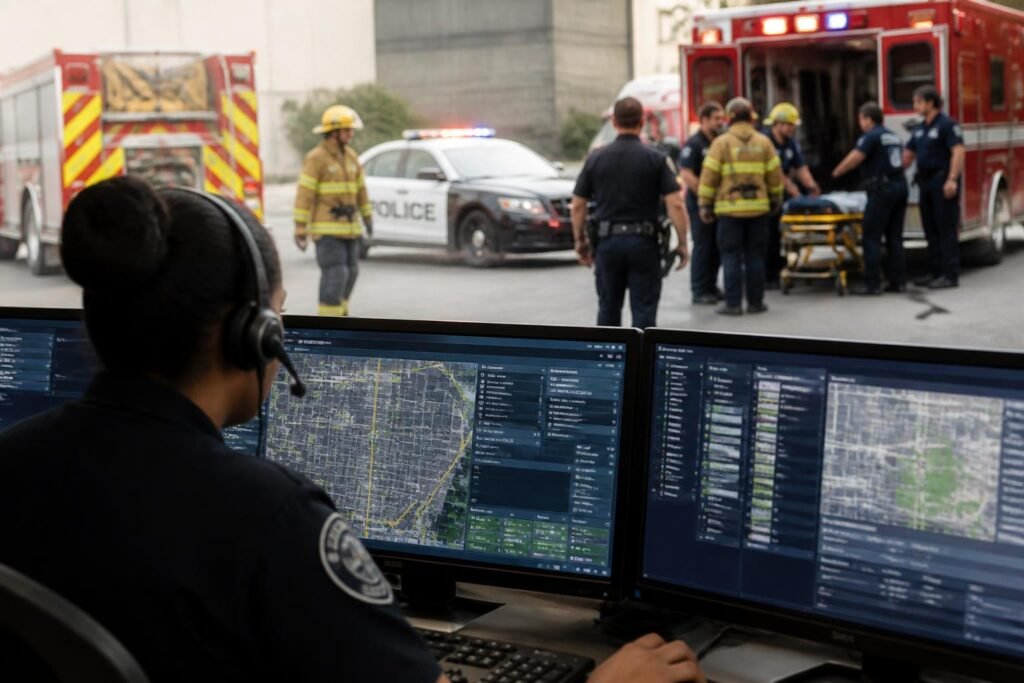
The landscape of us public safety has evolved significantly over the past decade, transforming how communities across America protect and serve their residents. From cutting-edge communication systems to coordinated emergency response protocols, public safety infrastructure touches every aspect of daily life in cities, suburbs, and rural areas nationwide. As we navigate 2026, understanding these systems becomes increasingly important for residents seeking to stay informed about the services protecting their communities and the challenges facing first responders.
The Foundation of US Public Safety Systems
Public safety in the United States operates through a complex network of federal, state, and local agencies working together to protect citizens. This multilayered approach ensures that communities receive appropriate emergency services while maintaining accountability at every government level.
Federal Oversight and State Implementation
The federal government establishes guidelines and provides resources through agencies like the Department of Homeland Security and the National Institute of Standards and Technology. The Department of Homeland Security provides critical resources that help states develop their specific public safety programs. However, the actual implementation of us public safety measures occurs primarily at state and local levels, creating unique approaches that reflect regional needs and priorities.
Key federal roles in us public safety include:
- Setting nationwide standards for emergency communications
- Providing funding through grants and assistance programs
- Coordinating multi-state emergency responses
- Supporting research and development of new safety technologies
- Establishing training programs for first responders
Each state maintains its own public safety infrastructure, which residents can explore through comprehensive resources available at State Wise News. State-level departments typically coordinate with county and municipal agencies to deliver services efficiently across jurisdictions.
Emergency Response and First Responder Networks
The backbone of us public safety relies on rapid emergency response capabilities. First responders, including law enforcement officers, firefighters, and emergency medical technicians, serve as the frontline defense against threats to public welfare.
Communication Infrastructure Advancements
Modern emergency response depends heavily on sophisticated communication technologies. The NIST Public Safety Communications Research Division conducts extensive research to improve how first responders communicate during critical incidents. In 2026, most states have adopted Next Generation 911 systems, which allow citizens to contact emergency services through text, video, and data transmission in addition to traditional voice calls.
| Communication Technology | Implementation Rate | Primary Benefit |
|---|---|---|
| Next Generation 911 | 78% of states | Multi-channel emergency contact |
| FirstNet Broadband | 92% coverage | Dedicated responder network |
| Interoperable Radio Systems | 85% of jurisdictions | Cross-agency coordination |
| Geographic Information Systems | 95% of dispatch centers | Precise location tracking |
These technological improvements have dramatically reduced response times and improved coordination between different agencies responding to the same incident. Communities benefit from faster emergency assistance and more effective resource deployment during large-scale disasters.
State-Specific Public Safety Initiatives
Individual states have developed unique approaches to addressing their specific public safety challenges. Geographic, demographic, and economic factors influence how each state allocates resources and prioritizes safety programs.
Regional Variations in Safety Priorities
Coastal states often emphasize hurricane preparedness and coastal rescue capabilities, while inland states focus on tornado response and severe weather protocols. States experiencing rapid population growth face different challenges than those with declining populations, requiring tailored us public safety strategies.
Examples of state-specific programs include:
- California’s comprehensive wildfire prevention and response network
- Florida’s hurricane evacuation and emergency shelter systems
- Texas border security and immigration enforcement initiatives
- Alaska’s remote area search and rescue capabilities
- New York’s urban emergency management protocols
Residents can stay informed about their state’s specific initiatives by following local politics coverage that tracks public safety legislation and funding decisions. Understanding these state-level priorities helps communities prepare for the emergencies most likely to affect their areas.
Community Policing and Law Enforcement Evolution
Law enforcement represents a critical component of us public safety, with ongoing reforms and technological adoption reshaping how police departments serve their communities. The relationship between law enforcement and the communities they protect has become a central focus of public safety discussions nationwide.
Modern Policing Strategies
Community policing initiatives emphasize building relationships between officers and residents, creating partnerships that enhance public safety through trust and cooperation. Many departments have adopted problem-oriented policing approaches that address underlying causes of crime rather than merely responding to incidents.
Contemporary law enforcement tools include:
- Body-worn cameras for transparency and accountability
- Predictive analytics for crime prevention
- De-escalation training programs
- Mental health crisis intervention teams
- Community liaison officers
The evolution of policing practices reflects changing societal expectations and technological capabilities. Recent law enforcement settlements demonstrate the accountability mechanisms now embedded in us public safety systems, ensuring that agencies maintain professional standards while serving their communities.
Workplace Safety and Occupational Health Standards
Public safety extends beyond emergency services to include workplace protections that safeguard millions of American workers. The Occupational Safety and Health Administration establishes and enforces standards that prevent workplace injuries and illnesses across industries.
OSHA’s Role in US Public Safety
The comprehensive safety and health references provided by OSHA serve as authoritative guidelines for employers nationwide. These standards cover everything from construction site safety to chemical handling protocols, creating safer working environments across sectors.
| Industry Sector | Fatal Injury Rate (per 100,000) | Primary Hazards |
|---|---|---|
| Construction | 9.8 | Falls, equipment accidents |
| Transportation | 14.2 | Vehicle crashes, loading incidents |
| Agriculture | 20.4 | Machinery, chemical exposure |
| Healthcare | 0.4 | Workplace violence, infectious diseases |
| Manufacturing | 2.1 | Equipment operation, repetitive stress |
Workplace safety regulations form an essential but often overlooked aspect of us public safety infrastructure. These protections prevent thousands of injuries annually and establish accountability for employers who fail to maintain safe working conditions.
Emergency Management and Disaster Preparedness
Natural disasters, technological failures, and human-caused emergencies require coordinated planning and response capabilities. Emergency management encompasses the preparation, response, recovery, and mitigation phases of crisis situations.
Comprehensive Emergency Planning
State and local emergency management agencies develop detailed plans for various disaster scenarios, conducting regular drills and updating protocols based on lessons learned from actual events. These plans coordinate multiple agencies and establish clear command structures for crisis response.
- Preparation Phase: Developing response plans, training personnel, stockpiling supplies
- Response Phase: Activating emergency operations centers, deploying resources, coordinating agencies
- Recovery Phase: Providing assistance to affected populations, restoring infrastructure
- Mitigation Phase: Implementing measures to reduce future disaster impacts
The National Institute of Standards and Technology supports these efforts through research on emergency response technologies and communication systems. Their work improves how first responders coordinate during large-scale emergencies, saving lives and reducing property damage.
Public Health Emergency Response Systems
The COVID-19 pandemic highlighted the critical importance of public health infrastructure within overall us public safety frameworks. Public health departments work alongside traditional emergency services to protect communities from disease outbreaks, environmental hazards, and other health threats.
Integration of Health and Safety Services
Modern public health emergency response involves coordination between healthcare providers, emergency management agencies, and traditional first responders. This integrated approach ensures comprehensive protection against both immediate physical threats and longer-term health challenges.
Public health emergency capabilities include:
- Disease surveillance and outbreak detection
- Mass vaccination and prophylaxis distribution
- Environmental hazard monitoring
- Health communication and public education
- Medical surge capacity planning
Communities can track public health initiatives and alerts through dedicated health news coverage that provides timely information about local health threats and prevention measures. This information helps residents make informed decisions about protecting themselves and their families.
Cybersecurity and Digital Public Safety
As American life becomes increasingly digital, cybersecurity has emerged as a critical component of us public safety. Protecting critical infrastructure, government systems, and personal information from cyber threats requires constant vigilance and sophisticated defensive measures.
Emerging Digital Threats
State and local governments face persistent cyber threats targeting everything from water treatment facilities to election systems. The DHS terrorism and mass violence prevention resources include guidance on protecting digital infrastructure from malicious actors.
Recent concerns about federal spyware restrictions illustrate the complex balance between security needs and privacy protections. These debates shape how us public safety agencies deploy technology while respecting constitutional rights.
Community Engagement and Public Education
Effective public safety requires active community participation. Educated, prepared residents contribute to overall community resilience and can respond more effectively during emergencies.
Public Safety Education Programs
Many jurisdictions offer community emergency response team (CERT) training, teaching residents basic disaster response skills. These programs create networks of trained volunteers who can assist professional first responders during large-scale emergencies.
Common public safety education topics include:
- Fire prevention and home safety
- Severe weather preparedness
- Active shooter response protocols
- First aid and CPR certification
- Emergency supply kit preparation
- Evacuation route planning
Educational initiatives strengthen the connection between public safety agencies and the communities they serve. Informed residents make better decisions during emergencies and can help protect vulnerable neighbors who may need assistance.
Funding and Resource Allocation Challenges
Maintaining robust us public safety systems requires substantial financial investment. Budget constraints at federal, state, and local levels create ongoing challenges for agencies seeking to provide comprehensive protection with limited resources.
Budget Priorities and Trade-offs
Public safety typically represents one of the largest expenditure categories in state and local budgets, competing with education, infrastructure, and social services for funding. Economic conditions, tax policies, and political priorities all influence how much communities invest in safety services.
| Funding Source | Percentage of Total | Primary Uses |
|---|---|---|
| Local Taxes | 55% | Police, fire, EMS operations |
| State Funding | 28% | State police, emergency management |
| Federal Grants | 12% | Specialized equipment, training |
| Fees and Fines | 5% | Supplemental operating costs |
Resource allocation decisions directly impact service quality and response capabilities. Communities must balance desires for comprehensive protection with fiscal realities, often making difficult choices about which programs to prioritize.
Technology Integration and Future Developments
Artificial intelligence, drone technology, and advanced data analytics are transforming how us public safety agencies operate. These innovations promise improved efficiency and effectiveness while raising questions about privacy, accountability, and appropriate use.
Next-Generation Safety Technologies
Predictive policing algorithms analyze crime patterns to allocate resources more effectively. Drones provide aerial surveillance during search and rescue operations. Automated external defibrillators in public spaces increase survival rates for cardiac arrest victims.
Emerging technologies in public safety include:
- Artificial intelligence for emergency call triage
- Autonomous vehicles for hazardous material response
- Augmented reality training simulations for first responders
- Biometric identification systems for wanted person detection
- Social media monitoring for threat assessment
These technological advances create new capabilities while requiring careful consideration of ethical implications and civil liberties protections. Balancing innovation with appropriate safeguards remains an ongoing challenge for us public safety leadership.
Training and Professional Development
First responders require extensive initial training and ongoing professional development to maintain skills and adapt to evolving threats. Training standards vary by state and agency type, but all emphasize the critical importance of preparation for high-stress emergency situations.
Continuous Education Requirements
Most public safety professions require regular recertification and continuing education. Firefighters train on new equipment and updated techniques. Police officers receive updated legal training. Emergency medical technicians learn new treatment protocols.
The public safety research databases provide valuable resources for professional development and evidence-based practice improvements. These educational resources help first responders stay current with best practices and emerging threats.
Standard training components include:
- Technical skills for specific emergency scenarios
- Physical fitness and wellness programs
- Mental health and stress management
- Cultural competency and communication skills
- Leadership development for supervisory roles
Investment in training directly correlates with improved outcomes during actual emergencies. Well-trained first responders make better decisions under pressure, potentially saving lives and reducing property damage.
Multi-Jurisdictional Coordination
Emergencies often cross municipal, county, and state boundaries, requiring coordination between multiple agencies with different procedures, equipment, and command structures. Effective multi-jurisdictional response depends on pre-established agreements and regular joint training exercises.
Mutual Aid Agreements
Most jurisdictions maintain mutual aid agreements allowing them to request and provide assistance to neighboring communities during large-scale incidents. These agreements specify resource-sharing protocols, cost reimbursement procedures, and liability protections.
Coordination challenges become particularly acute during regional disasters affecting multiple states simultaneously. The federal government provides coordination support through emergency declarations and resource deployment, but effective response still depends on strong state and local partnerships.
Understanding us public safety systems helps residents recognize the complex networks protecting their communities every day. From emergency response capabilities to workplace safety standards, these interconnected systems require ongoing investment, innovation, and community support. Stay informed about public safety developments in your state and community through State Wise News, where comprehensive coverage keeps you updated on the initiatives, challenges, and successes shaping safety services across all 50 states.