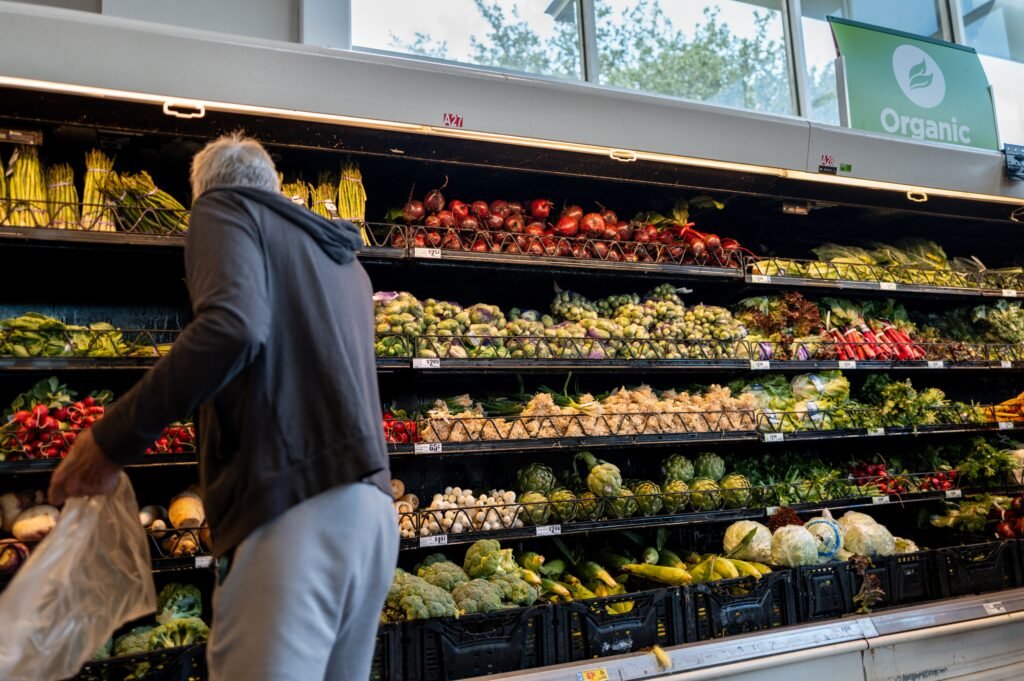
Nearly half of all U.S. households didn’t earn enough last year to cover basic necessities — and the problem isn’t just rising prices. According to NPR, wages have been falling behind too, compounding financial strain for millions of families across the country.
The figures come from 2024 data and paint a picture that goes beyond the usual inflation conversation. It’s not only that groceries, rent, and utilities cost more. For a large share of households, paychecks simply aren’t stretching far enough to meet those costs in the first place.
Background
Inflation dominated headlines for much of 2022 and 2023, and policymakers pointed to easing price growth as evidence that households were getting relief. But the wage side of the equation tells a different story. When income growth lags behind the cost of necessities — housing, food, transportation, health care — families run short even when they’re employed full time.
The finding that roughly half of U.S. households fell below that threshold in 2024 suggests the affordability crunch isn’t limited to low-income workers. Middle-income families are getting squeezed too — a dynamic that doesn’t show up cleanly in unemployment figures or even in headline inflation rates.
NPR’s reporting didn’t break the data down by state. Whether Virginia households fared better or worse than the national average wasn’t addressed in the available figures.
What the 2024 data doesn’t yet answer is whether the gap between wages and necessities narrowed or widened heading into 2025. That picture won’t be clear until more recent income and cost data becomes available.
Reported by NPR. Read the original report.