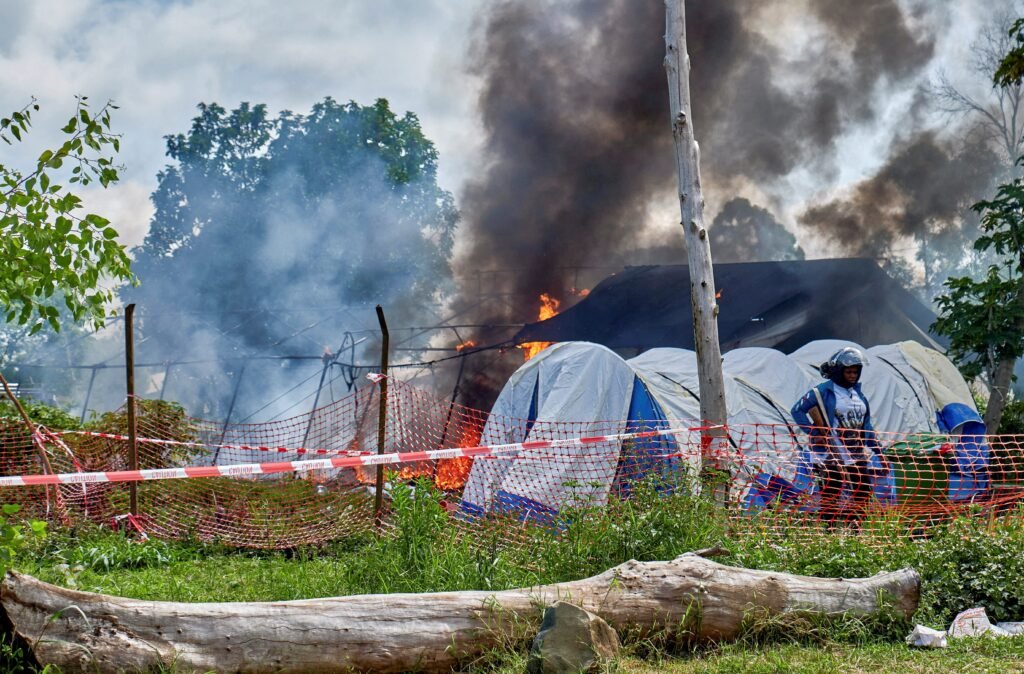
Community members are attacking Ebola treatment clinics, refusing medical teams, and continuing burial practices that health workers say risk spreading the disease further — a pattern that has surfaced in previous outbreaks and is resurfacing now.
NPR reported the attacks Thursday, May 29, 2026, noting that the violence isn’t random. It’s rooted in deep distrust of outside doctors, grief over how the dead are handled, and long-standing customs around burial that communities aren’t willing to abandon.
Background
Ebola kills quickly and spreads through direct contact with the bodily fluids of infected people — including the dead. Traditional burial practices that involve washing or touching the body can transmit the virus. Health workers responding to outbreaks have long pushed for what they call safe and dignified burials, which restrict direct contact with remains. To many families, that means strangers in hazmat gear arriving to take away a loved one in a body bag. That image hasn’t gone over well.
The friction isn’t new. During the 2018-2020 outbreak in the Democratic Republic of Congo — one of the deadliest in recorded history — responders faced similar attacks on clinics and resistance from communities who believed medical teams were causing deaths, not preventing them. Body bags became a flashpoint; some families suspected their relatives were being killed inside treatment centers, not treated.
That distrust didn’t disappear. It hardened.
When people don’t believe the clinic will save their family member — and when they fear the body will be taken away without a proper farewell — they don’t bring the sick in. They keep them home. The virus doesn’t care about the reason.
Health responders have tried community engagement, working with local leaders and religious figures to build credibility. The results have been uneven. In some areas, cooperation improved. In others, teams were driven out.
Clinic attacks put health workers at physical risk and create gaps in the response — gaps the virus fills. Each attack can mean delayed treatment for new patients, interrupted contact tracing, and a wider window for transmission before anyone realizes where the next cluster started.
NPR didn’t specify in its report which region is currently experiencing the attacks or how many clinics have been targeted.
Reporting by NPR, published May 29, 2026. Read the original report.