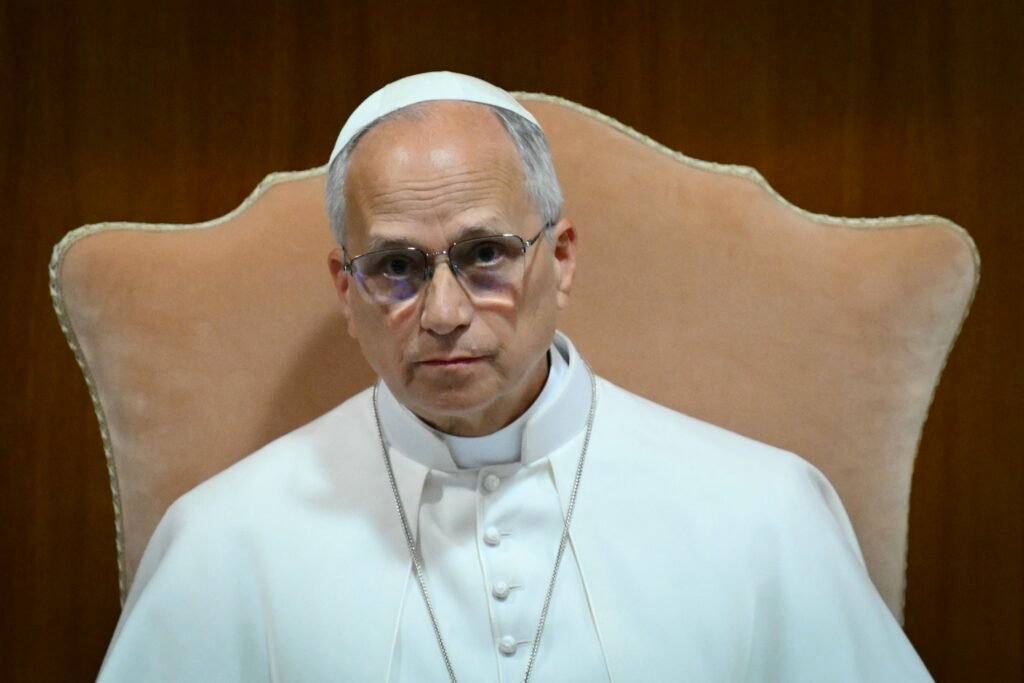
Pope Leo has issued his first encyclical, and it isn’t about doctrine or politics. It’s about artificial intelligence — and what he sees as the danger of mistaking a chatbot for a human being.
The document, published Friday, May 30, 2026, voices the pope’s unease with the way AI bots simulate conversation and relationships. Leo argues those simulations are illusions. They can feel real enough, he warns, to pull people away from the actual human contact that sustains them.
The encyclical doesn’t dismiss technology outright. But Leo draws a firm line between tools that serve people and systems that substitute for them. That distinction matters to him. A machine that mimics empathy, he suggests, isn’t the same as a person who offers it – and treating the two as equivalent does harm.
The timing isn’t coincidental. AI-powered chatbots have spread fast across consumer apps, mental health platforms, and social media since 2023, with some users reporting they prefer talking to bots over friends or family. Critics of that trend have struggled to find language that resonates broadly. Leo’s encyclical gives the concern a different register – moral rather than technical.
NPR framed the piece as opinion, and the encyclical itself reflects Leo’s personal theological read on a contested issue. Not every Catholic theologian or bishop will parse it the same way; encyclicals invite interpretation, and this one is new enough that formal responses from scholars haven’t yet surfaced publicly.
What Leo says plainly is that human relationships carry a value AI can’t replicate. Whether that argument lands with people who’ve already grown comfortable talking to bots – or with tech developers who’d push back on the framing – is an open question the document doesn’t resolve.
Reported by NPR. Read the original report.