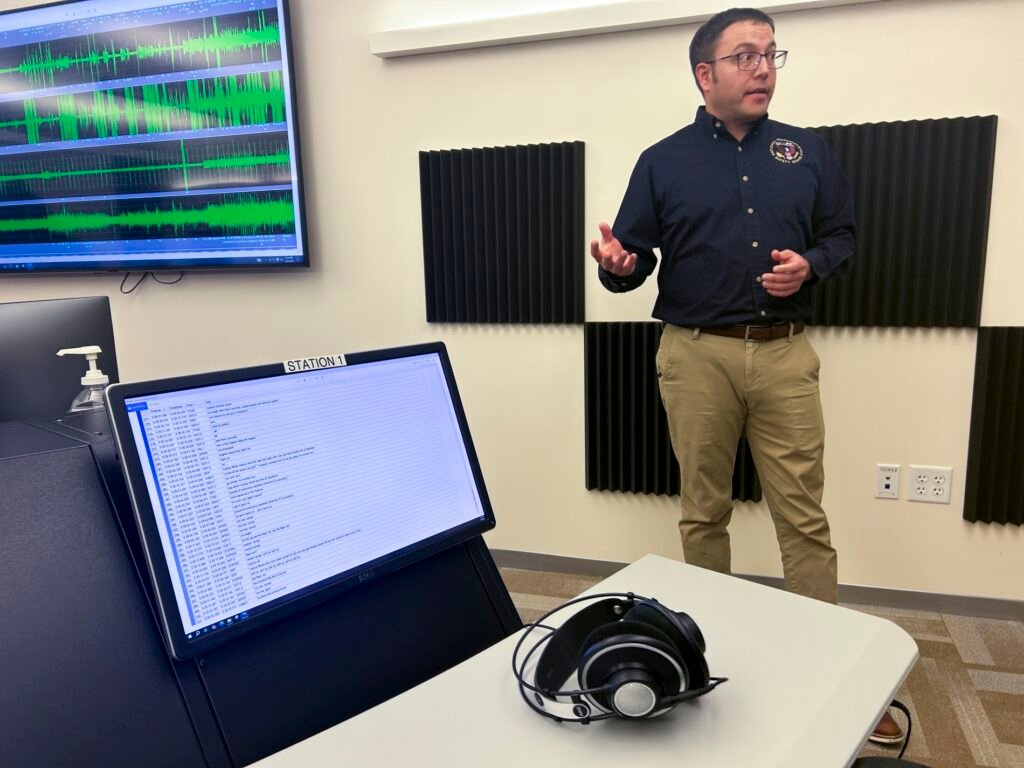
The National Transportation Safety Board went offline – at least in part – after someone used digital images to reconstruct cockpit voice recordings from pilots involved in a recent crash.
The NTSB temporarily pulled its docket system down after the reconstruction surfaced. The docket system is where the agency posts investigative records, photos, and documents related to accidents it’s looking into. It isn’t clear how long the system stayed down or whether it’s fully restored.
Cockpit voice recorder audio has long been one of the more tightly guarded pieces of evidence in a crash investigation. The NTSB has fought for years to keep that audio private, arguing that releasing it publicly discourages frank conversation in the cockpit – pilots knowing their words could one day end up broadcast on the evening news. The agency typically releases transcripts, not the recordings themselves.
That wall got a little harder to maintain. Digital images of the waveform data, or some other visual representation of the audio, were enough for someone to work backward to the actual voices. The NTSB didn’t describe exactly which crash the recordings came from or what method was used to reconstruct them.
It’s the kind of problem that didn’t exist five years ago. Audio reconstruction tools have gotten sharper, and what once would’ve required a professional audio lab can now be done with software available to almost anyone.
The agency hasn’t said publicly whether it plans to change how it displays or redacts audio-related data in its docket, or whether the takedown was a temporary patch while it figures out what comes next. No timeline has been announced for any policy changes.
Reported by NPR. Read the original report.