President Trump made stripping U.S. citizenship from naturalized Americans sound straightforward. It isn’t.
NPR reported Monday, June 2, that Trump’s push to revoke citizenship on a broad scale has alarmed immigrant advocates, legal scholars, and naturalized Americans across the country — but the effort has run into the kind of legal friction that vows rarely mention.
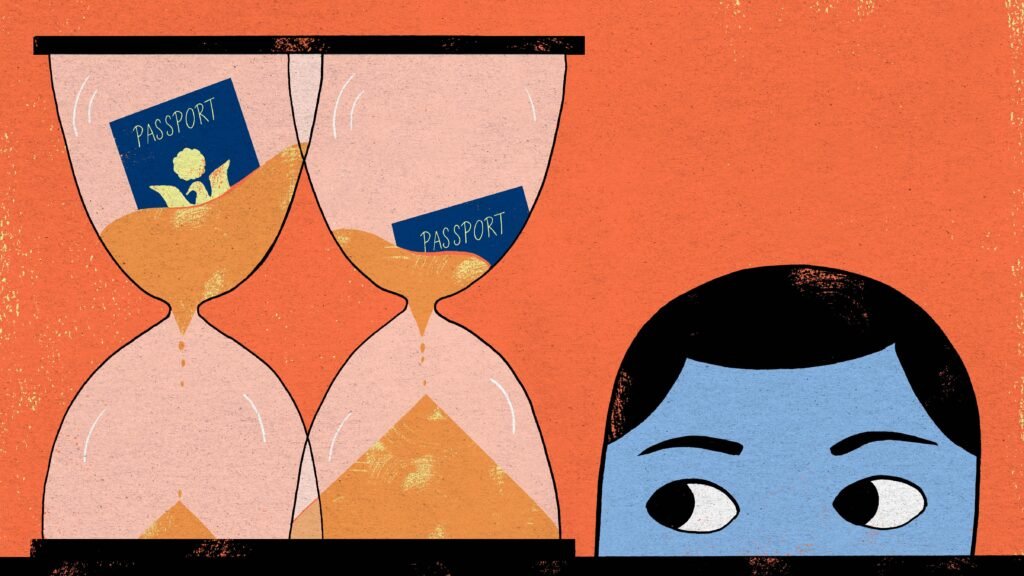
The gap between the rhetoric and the reality isn’t subtle. Denaturalization cases require individual court proceedings, and courts don’t simply take an administration’s word for it. Each case demands specific grounds — fraud in the naturalization process, or concealment of disqualifying facts — and federal judges have historically applied that standard narrowly. The promise of mass revocations doesn’t map cleanly onto a system built for case-by-case review.
That reality hasn’t quieted the anxiety. Naturalized citizens who went through years of background checks, interviews, and paperwork are watching an administration openly discuss undoing the process they completed lawfully. Legal scholars cited by NPR say the constitutional footing for large-scale denaturalization is shaky at best — the Supreme Court has long treated citizenship, once granted, as something the government can’t take away without serious cause and due process.
Immigrant advocates aren’t treating the legal hurdles as a guarantee. They argue that even failed attempts carry costs: naturalized Americans who live in uncertainty, communities that spend money on legal consultations, and a chilling effect on civic participation among people who aren’t sure how stable their status really is.
The Justice Department’s role in any such effort would be central — it prosecutes denaturalization cases through civil or criminal proceedings — but NPR’s reporting doesn’t indicate how many cases the department has filed or prioritized under the current administration’s directives. That number hasn’t been made public.
Kentucky has a naturalized citizen population spread across Louisville, Lexington, and smaller communities, many of whom immigrated through family sponsorship or employment — though NPR’s reporting focused on the national legal framework, not any specific state’s residents.
Whether the administration finds ways to accelerate individual denaturalization cases, or whether the effort remains largely rhetorical, hasn’t been resolved. NPR didn’t report a court ruling, a legislative action, or an administration deadline that would clarify the timeline.
Reporting by NPR, published June 2, 2026. Read the original report.