Federal agriculture officials are investigating a possible case of the New World screwworm in Texas, the USDA announced Wednesday, June 4.
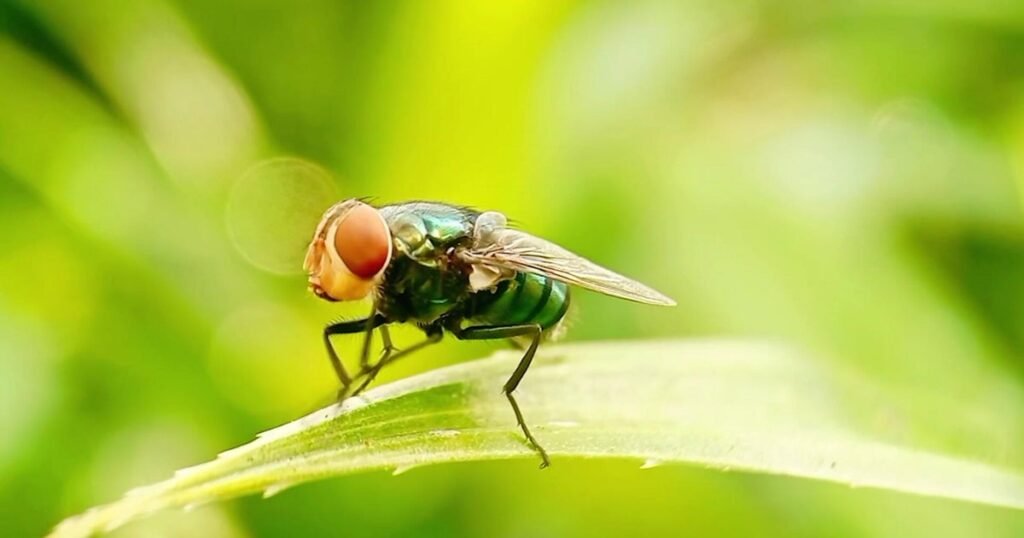
The screwworm — formally known as Cochliomyia hominivorax — is a parasitic fly whose larvae burrow into the living tissue of warm-blooded animals. Cattle, deer, and other livestock are the most common victims. Left untreated, the infestation can be fatal.
Background
The United States declared the New World screwworm eradicated domestically in 1966 after a decades-long federal campaign that used sterile fly releases to collapse wild populations. But the parasite has never been eliminated from parts of Central and South America, and U.S. officials have long watched the southern border for any sign of its return.
That concern sharpened last year when the USDA detected screwworm in livestock in southern Mexico — at one point as close as 25 miles from the U.S. border — and temporarily suspended cattle imports from Mexico in response. The agency later reached an agreement with Mexican authorities to resume inspections and imports under stricter protocols.
A confirmed reestablishment in the United States would be a serious blow to the cattle industry. Texas, with one of the largest beef cattle inventories in the country, would bear particular exposure given its long border with Mexico and its ranching density.
The investigation
The USDA did not specify Wednesday where in Texas the possible case was found, what animal was affected, or how officials came to suspect screwworm involvement. The agency said only that the case is under investigation – meaning laboratory confirmation is still pending.
That distinction matters. Screwworm wounds can resemble damage caused by other fly species, and a field suspicion isn’t the same as a confirmed detection. The USDA hasn’t said when it expects results.
Texas ranchers and veterinarians have been urged by state and federal officials in recent months to check livestock regularly for unusual wounds, especially any that show signs of maggot activity. Screwworm larvae typically cause a distinctive foul-smelling wound that worsens rapidly.
The USDA hasn’t confirmed whether this case is connected to any previous detections near the border, or whether additional animals in the area have been examined. No further details were available as of Wednesday evening.
Reported by CBS News on June 4, 2026. Read the original report.