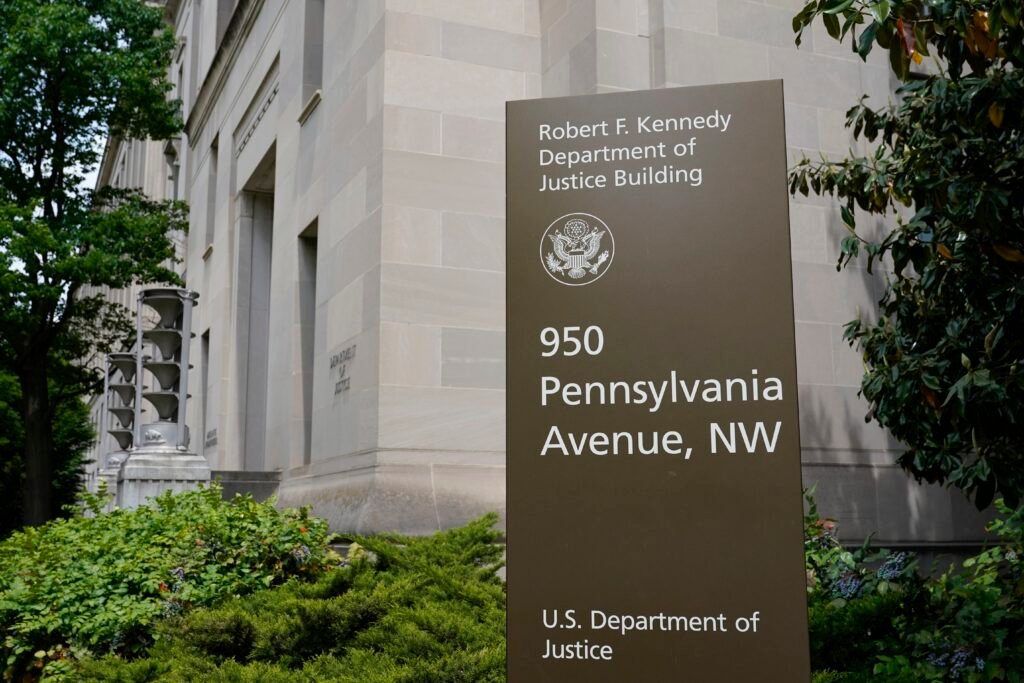
A Justice Department legal opinion issued Friday, June 20, is drawing sharp concern from disability advocates who say it chips away at decades-old civil rights protections—protections that have long treated the forced institutionalization of disabled Americans as a measure of absolute last resort.
The opinion challenges the legal framework that governs how states are required to serve people with disabilities. Advocates fear the shift could open a path back toward institutional placements for people who currently live in community settings, reversing the direction disability policy has taken since at least the 1990s.
The DOJ memo doesn’t spell out a new rule or regulation. What it does is reinterpret existing civil rights law in a way critics say would weaken the floor of protections disabled people have relied on to stay out of nursing homes and similar facilities.
Not everyone in the legal and policy world agrees on how far the opinion’s reach actually extends. But disability advocates aren’t waiting to find out. They’ve called the memo a direct threat to independent living.
Illinois has its own ongoing legal obligations in this space.
The Justice Department hasn’t publicly outlined what, if any, policy changes it intends to pursue based on the opinion. Whether federal enforcement priorities will shift in response to the memo—or whether states will face new pressure to expand institutional capacity—remains an open question as of this week.
Reporting by NPR. Read the original report.