A Louisiana prisoner watched his dreadlocks fall to the floor — cut by prison guards over his religious objections — and then tried to hold those guards accountable in federal court. The Supreme Court said Monday, June 23, that he can’t.
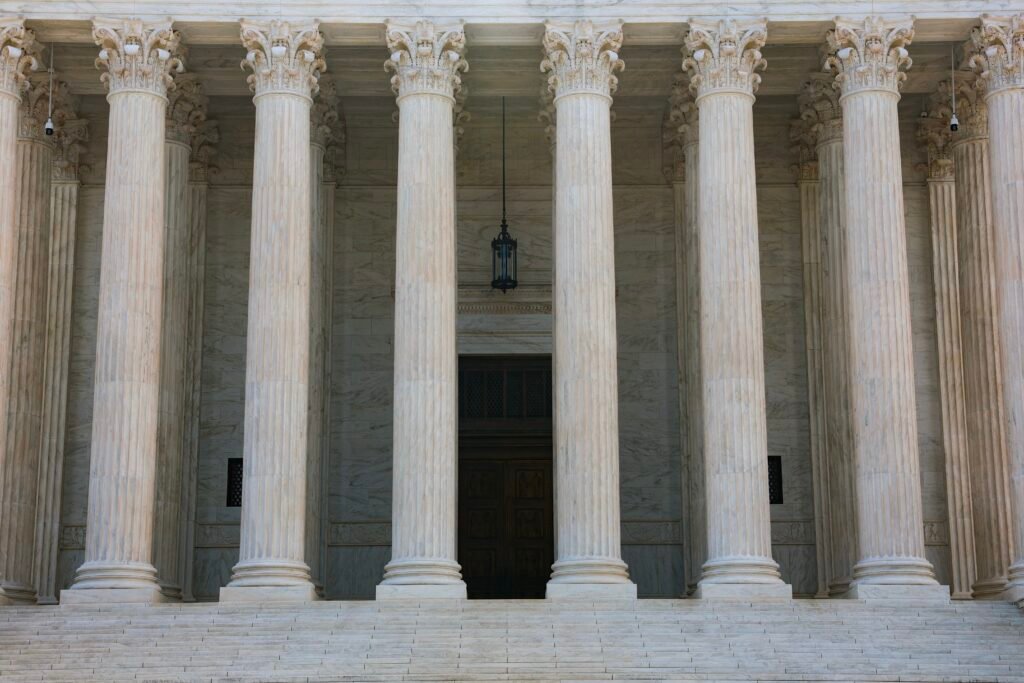
The justices ruled that the prisoner cannot sue the guards personally under the Religious Land Use and Institutionalized Persons Act, the federal law designed to protect the religious rights of incarcerated people. The decision turns on how that statute is read: RLUIPA, as the law is known, allows suits against government entities but doesn’t extend to individual officers.
The case
Dreadlocks carry deep religious significance in Rastafarian practice. Cutting them — especially by force — strikes at the core of that faith. The prisoner argued the guards violated his rights when they shaved his head, and he sought to sue them directly. Lower courts had wrestled with whether RLUIPA permits that kind of personal-liability claim.
The Supreme Court’s answer: it doesn’t.
That distinction matters enormously for prisoners trying to push back against religious-rights violations. Suing the state itself is harder — governments carry sovereign immunity protections that individuals don’t — and the ruling leaves a narrower path for inmates who say guards have trampled on their beliefs.
The decision drew attention from religious-liberty advocates who have watched RLUIPA cases closely since Congress passed the law in 2000. The statute was meant to shore up protections after the Supreme Court limited the reach of the Religious Freedom Restoration Act in institutional settings. Whether Monday’s ruling prompts Congress to revisit how the law is written isn’t yet known.
The prisoner’s next legal options weren’t immediately clear, and the court’s full opinion was still being reviewed as of Monday evening.