Fertilizer prices dropped after the Strait of Hormuz reopened and U.S.-Iran peace talks advanced — but American farmers who’ve been grinding through tight margins aren’t likely to feel it for months.
The shift in commodity pricing followed the prospect of a diplomatic agreement between Washington and Tehran. The Strait of Hormuz, a chokepoint for a significant share of global energy and shipping traffic, had been a pressure point driving input costs higher. Its reopening eased those pressures on international markets almost immediately.
At the farm level, though, the math doesn’t move that fast. Fertilizer purchased now often reflects contracts and spot prices set weeks or even months earlier. A drop in futures doesn’t translate overnight into cheaper bags at the co-op or lower bulk delivery quotes — and that lag is exactly what’s keeping the relief out of reach for the current growing season.
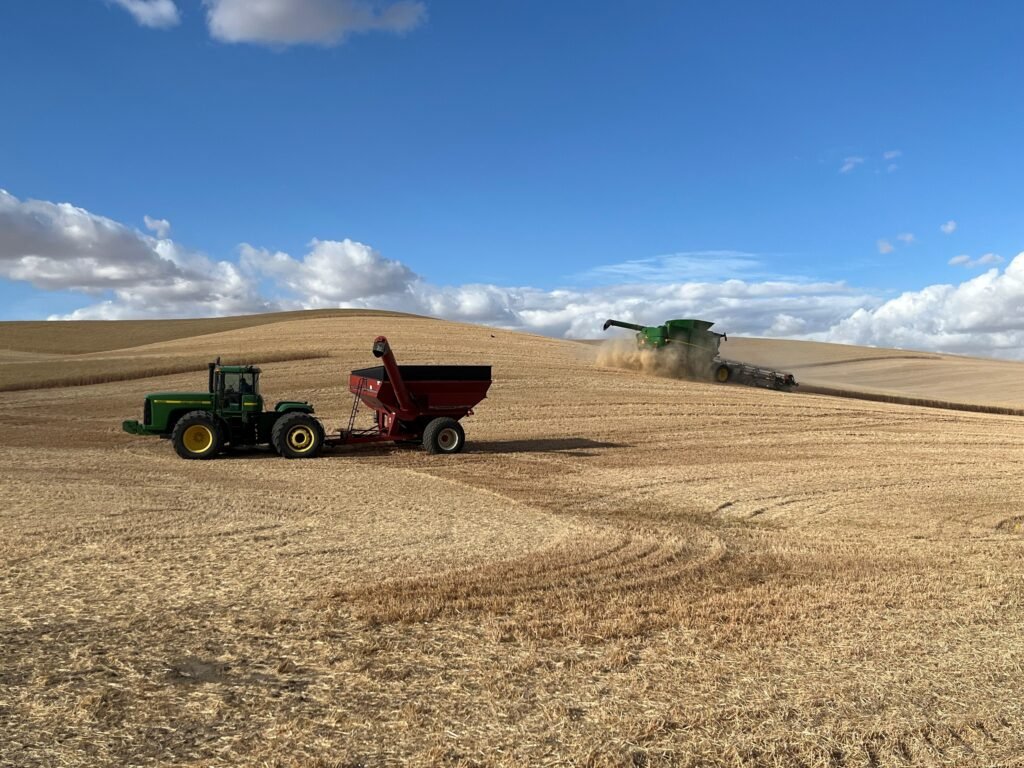
For Idaho’s agricultural producers — who rely heavily on fertilizer for everything from potato fields in the Magic Valley to wheat acres across the Palouse — the timing isn’t ideal. The bulk of spring application is already done. Fall inputs are the next major purchase window, and that’s where any price break might finally show up, if the diplomatic situation holds.
The uncertainty is the problem. A peace framework between the U.S. and Iran isn’t yet a finalized agreement, and global fertilizer markets have whipsawed before when geopolitical deals stalled or collapsed. Farmers who locked in fertilizer costs earlier this year at higher prices won’t recoup that expense regardless of what happens next.
Whether the current price decline holds through summer — and into the fall purchasing window that matters most to Idaho growers — remains an open question.