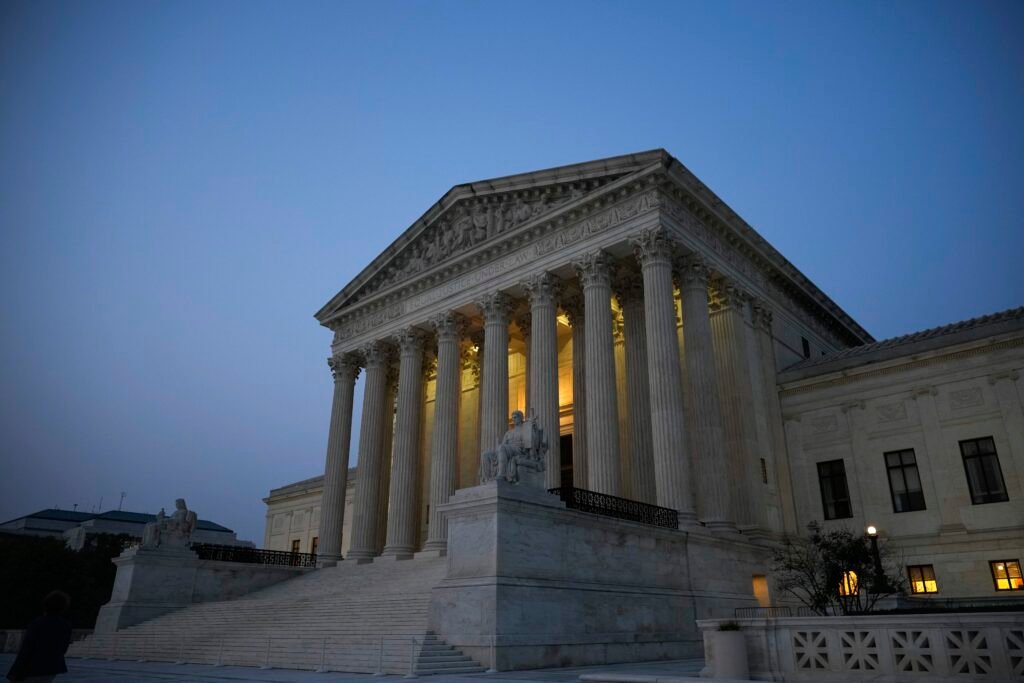
The U.S. Supreme Court ruled Monday, June 30, 2026, that birthright citizenship is constitutionally protected — a direct rebuke of one of President Donald Trump’s first acts when he returned to the White House.
The court’s decision struck down the executive order Trump signed on his first day of his second term, which had sought to end automatic citizenship for children born on American soil to parents who are in the country illegally or on temporary visas. The order had been challenged almost immediately after it was issued.
The constitutional question
At the center of the case was the 14th Amendment, ratified in 1868, which states that all persons born or naturalized in the United States and subject to its jurisdiction are citizens. Trump’s executive order took the position that the amendment’s jurisdiction clause had been interpreted too broadly The court disagreed.
The ruling firmly rejected that reading. Whether the justices were unanimous or divided — and on what precise grounds — had not been fully detailed in initial reports of the decision as of Monday afternoon.
Birthright citizenship has been settled law in practice since the Supreme Court’s 1898 decision in United States v. Wong Kim Ark, which held that a child born in the United States to foreign nationals was a citizen. Trump’s order was the first direct executive challenge to that precedent in modern history.
The executive order had been blocked by lower federal courts shortly after it was signed, with multiple judges calling it plainly unconstitutional. The administration pushed the cases to the Supreme Court — and lost.
What comes next is unclear. The administration hadn’t said, as of Monday, whether it would pursue the issue through legislation or other means. A constitutional amendment would require two-thirds approval in both chambers of Congress and ratification by three-fourths of states — a bar that has not been cleared in more than two decades.