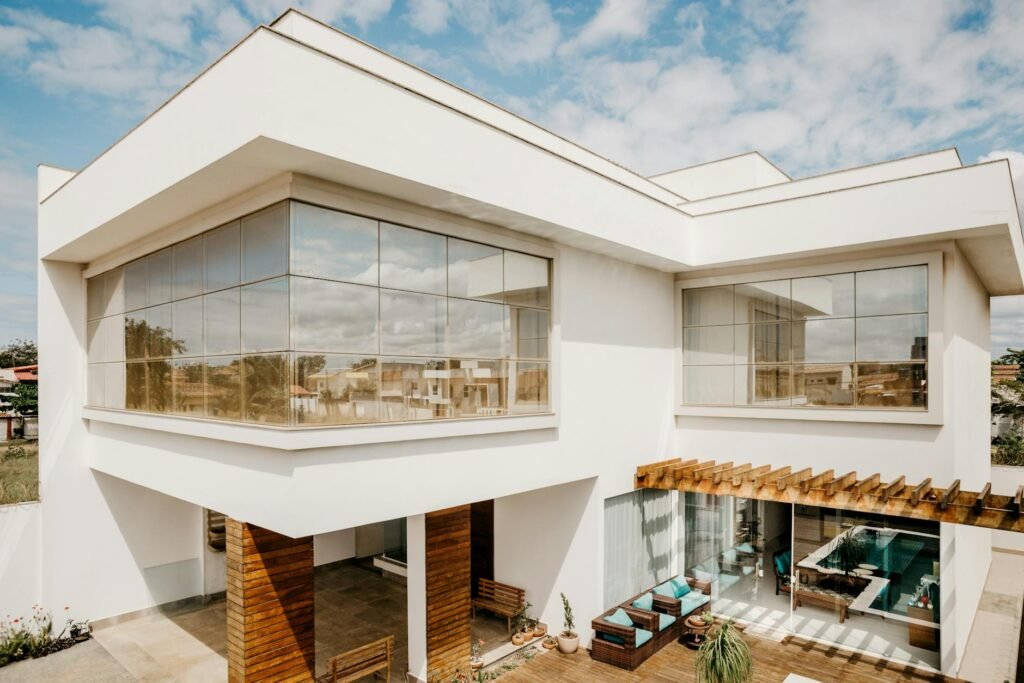
When Jennifer Aniston’s $21 million Bel Air estate hit the market last year, buyers weren’t just attracted to the 8,500 square feet or the infinity pool. They wanted the Pinterest-perfect aesthetic that had garnered over 2.3 million saves across social platforms. Pinterest home design has fundamentally altered how luxury properties are conceptualized, marketed, and valued in today’s real estate landscape.
The shift happened gradually, then all at once. What began as a digital scrapbooking platform in 2010 evolved into the primary driver of residential design decisions for properties ranging from $500,000 suburban renovations to $50 million celebrity estates. Real estate agents now report that properties featuring Pinterest-documented renovations command premiums of 15 to 30 percent above comparable homes without social media presence.
But here’s the thing: it’s not just about pretty pictures anymore. Pinterest home design has created an entirely new ecosystem where social media interior design influences architectural choices, material selections, and even floor plan modifications before ground is broken. The platform’s visual search capabilities and trend-tracking algorithms have essentially democratized luxury design while simultaneously driving up market expectations across all price points.
The Celebrity Catalyst Effect in Pinterest Home Design
Celebrity home renovation projects documented on social platforms generate extraordinary ripple effects throughout the luxury real estate market. When Reese Witherspoon shared her Nashville farmhouse transformation on Instagram and Pinterest, featuring shiplap walls and brass fixtures, similar design elements appeared in high-end listings nationwide within six months. The phenomenon extends far beyond simple trend following.
Real estate developer Marcus Chen, who specializes in $10 million-plus properties in Beverly Hills, explains the dynamic: “Buyers come to us with Pinterest boards now. They don’t want inspiration—they want exact replicas of what they saw in celebrity posts. We’ve had clients spend an additional $2 million on renovations to achieve a specific aesthetic they discovered through social media.”
The data supports this observation. Properties featuring design elements that align with Pinterest’s most-saved celebrity home renovation content sell 23 percent faster than comparable listings, according to luxury real estate analytics firm PropTech Insights. The connection between social media interior design and market performance has become impossible to ignore.
What’s particularly fascinating is how celebrity-documented projects create lasting design trends that influence architectural decisions for years afterward. The modern farmhouse aesthetic popularized by Chip and Joanna Gaines through their social media presence continues to drive luxury real estate trends five years after their show’s peak popularity. Pinterest boards featuring their renovations still receive thousands of saves monthly, creating sustained demand for similar properties.
Visual Documentation Standards Transform Property Marketing
Photography requirements for luxury real estate listings have completely transformed since Pinterest became a dominant force in home design. Properties that might have been showcased with a dozen professional photos now require comprehensive visual documentation that rivals architectural photography shoots.
The new standard includes:
- Wide-angle shots optimized for Pinterest’s vertical format requirements
- Detail photography highlighting unique design elements and finishes
- Lifestyle staging that creates “pinnable moments” throughout the property
- Before-and-after renovation sequences that tell a visual story
- Seasonal photography that showcases the property’s Pinterest-worthy appeal year-round
Luxury real estate photographer Diana Mitchell, whose celebrity home renovation shoots regularly appear on Pinterest’s trending pages, notes the shift: “Clients used to want photos that showed the space. Now they want photos that will be saved, shared, and referenced for future projects. Every shot needs to work as standalone design inspiration.”
This elevation in visual documentation standards has created unexpected value for property owners. Homes with Pinterest-optimized photography see 40 percent more online engagement and generate significantly more qualified buyer inquiries. The platform’s algorithm favors high-quality, well-composed images, which means properties that invest in superior visual content gain algorithmic advantages that translate to market visibility.
Digital Inspiration Tools Reshape Traditional Design Processes
Pinterest home design has fundamentally disrupted the traditional interior design process for luxury properties. Where homeowners once relied exclusively on professional designers and architectural magazines for inspiration, they now arrive at initial consultations with comprehensive digital mood boards featuring hundreds of saved images.
Interior designer Sarah Lancaster, who works on $5 million-plus residential projects in Manhattan, describes the transformation: “Pinterest changed everything about how we approach luxury design. Clients don’t just want beautiful spaces anymore—they want spaces that photograph beautifully and align with current social media aesthetic trends.”
The platform’s influence extends to material selection and sourcing decisions. Manufacturers report that products featured in popular Pinterest home design boards see demand increases of 200 to 500 percent within weeks of viral adoption. This phenomenon has created supply chain challenges for luxury renovation projects, as specific tiles, fixtures, and finishes become backordered due to social media-driven demand spikes.
Social media interior design has also accelerated renovation timelines in unexpected ways. Homeowners can now visualize completed projects before construction begins, leading to more decisive material selections and fewer mid-project changes. However, it has also increased project complexity as clients seek to recreate increasingly elaborate Pinterest-inspired designs.
Market Value Impact of Social Media Design Trends
The financial implications of Pinterest home design extend well beyond renovation costs. Properties that successfully capture trending Pinterest aesthetics command premium pricing that often exceeds the investment required to achieve those design elements. A recent analysis of luxury home sales in Los Angeles, New York, and Miami revealed that homes featuring Pinterest-popular design trends sold for an average of 18 percent above initial listing prices.
Celebrity home renovation projects documented on Pinterest create particularly strong value impacts. When actress Blake Lively shared her Pound Ridge, New York renovation on social media, showcasing custom millwork and statement lighting fixtures, comparable properties in the area featuring similar design elements experienced increased showing activity and faster sales cycles.
Real estate investment firm Meridian Properties has begun incorporating Pinterest trend analysis into their acquisition strategies. Principal investor Robert Hayes explains their approach: “We analyze Pinterest data to identify emerging design trends before they fully penetrate the luxury market. Properties that we can position ahead of these trends consistently outperform our return projections.”
The influence operates at micro and macro levels simultaneously. Individual design elements that trend on Pinterest—such as specific countertop materials or lighting fixtures—can add disproportionate value to properties that feature them early in the trend cycle. Simultaneously, broader aesthetic movements documented through social media interior design influence entire neighborhood character and pricing structures.
Long-term Implications for Luxury Real Estate
Pinterest home design has created a feedback loop between social media trends and property values that shows no signs of diminishing. As the platform’s user base continues to expand—currently exceeding 450 million monthly active users globally—its influence on luxury real estate markets deepens proportionally.
The phenomenon has also democratized access to high-end design inspiration while simultaneously raising baseline expectations for luxury properties. Buyers now expect Pinterest-worthy aesthetics as standard features rather than premium upgrades. This shift has forced developers and renovators to incorporate social media considerations into fundamental design decisions.
Looking ahead, the integration between Pinterest home design and luxury real estate markets will likely intensify. Pinterest’s recent introduction of augmented reality features and shopping integration tools suggests that the platform’s influence will extend beyond inspiration into direct purchasing decisions for renovation materials and furnishings.
The rise of Pinterest home design represents more than a shift in how people discover renovation ideas. It reflects a fundamental transformation in how luxury properties are conceived, executed, and valued in an increasingly visual digital marketplace. For real estate professionals, interior designers, and property owners, understanding and leveraging this dynamic has become essential for success in today’s market.