Marcus Chen stares at his monthly rent statement: $3,200 for a one-bedroom in Dupont Circle. Built into that price? Access to a rooftop pool he’s used twice, a concierge desk he’s never approached, and a state-of-the-art fitness center gathering dust while his actual gym membership gets plenty of action three blocks away. Like thousands of DC renters, Chen finds himself caught in the middle of landlords’ escalating amenity arms race—paying premium prices for rental amenities pricing strategies that promise luxury living but often deliver expensive features he’ll rarely touch.
Welcome to Washington’s rental reality, where amenity-packed buildings command 20% to 30% premiums over comparable units without the bells and whistles. Property managers across the District have discovered that granite countertops and hardwood floors no longer differentiate their listings in a competitive market. Instead, they’re betting big on resort-style pools, dog washing stations, co-working spaces, and even golf simulators to justify rents that make even seasoned DC residents wince.
The Real Cost of Rental Amenities Pricing in DC’s Market
Sarah Mitchell, a 34-year-old policy analyst who asked to use a pseudonym, learned this lesson the expensive way. After touring a gleaming new building in Navy Yard, she fell for the sales pitch: rooftop terrace with Capitol views, resident wine bar, package concierge, yoga studio, and a pet spa that seemed perfect for her rescue terrier. The one-bedroom carried a $2,875 monthly price tag—$400 more than similar units nearby.
“The leasing agent made it sound like I’d be saving money by having everything in the building,” Mitchell recalls. “No gym membership needed, no pet grooming bills, built-in social life. It sounded amazing.” Eighteen months later, her honest assessment tells a different story. She’s used the yoga studio perhaps six times, grabbed wine from the resident bar twice during the first month, and discovered her anxious rescue dog hates the communal pet area.
Mitchell’s experience reflects broader trends across the DC rental market. According to rental data from RentData Analytics, luxury amenity buildings in prime DC neighborhoods command average premiums of $350 to $650 monthly compared to standard apartment buildings. But here’s what property managers don’t advertise: surveys of luxury building residents show that 73% regularly use fewer than three amenities despite paying for access to dozen-plus features.
The math becomes particularly stark when broken down by usage. Take that $400 monthly amenity premium Mitchell pays. Over her lease term, she’s spending $4,800 annually for features she barely touches. Her six yoga sessions effectively cost $133 each—making even the priciest boutique studios look reasonable.
What Tenants Actually Want vs. What Landlords Provide
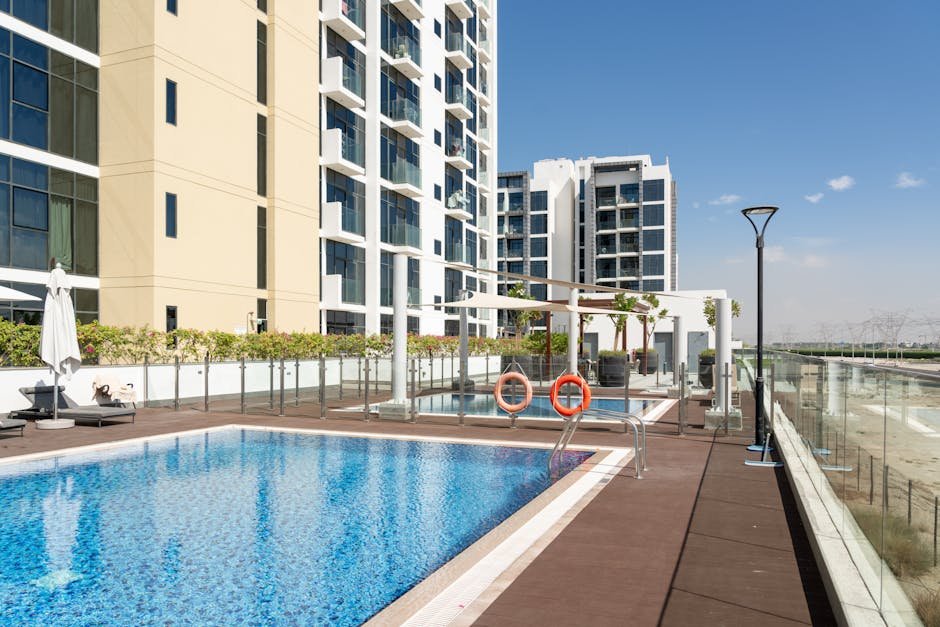
The disconnect between landlord pricing strategy and renter preferences creates fascinating tensions in DC’s competitive market. Property management companies continue doubling down on Instagram-worthy amenities—infinity pools, wine storage rooms, virtual golf ranges—while tenants consistently rank practical features as their highest priorities.
Recent surveying by DC-based rental consultancy Urban Nest Insights reveals telling gaps between perception and reality. When asked about amenity preferences, 68% of DC renters prioritize in-unit laundry and reliable air conditioning over communal luxury features. Yet new construction consistently emphasizes shared spaces that photograph well for marketing materials.
“Landlords are designing for their marketing teams, not their tenants,” explains Jennifer Walsh, a rental market analyst who tracks DC pricing trends. “A rooftop pool creates beautiful listing photos and justifies premium pricing, but most residents use it fewer than ten times per year. Meanwhile, they complain daily about inadequate storage or poor cell service—problems that don’t look glamorous in brochures.”
The amenities that do drive genuine tenant satisfaction—and willingness to pay premiums—tend toward practical luxuries rather than flashy additions. Underground parking consistently ranks as renters’ most valued building feature, worth an average $180 monthly premium according to DC area surveys. Twenty-four-hour fitness access follows closely, commanding $120 monthly premiums among residents who actually utilize the equipment.
Pool access, despite being standard in most luxury buildings, shows surprising retention value. While usage drops significantly during DC’s harsh winters, buildings with quality pool facilities maintain 15% higher renewal rates during summer months. The catch? Construction and maintenance costs for pools often exceed $200,000 annually for mid-size buildings, expenses directly reflected in rental pricing across all units.
The Hidden Economics Behind Amenity Premium Pricing
Understanding how landlords calculate amenity premium costs reveals the complex economics driving DC’s rental landscape. Property managers don’t simply divide amenity construction costs across all units—they’re making sophisticated bets about tenant behavior, marketing advantages, and competitive positioning.
David Park manages three luxury buildings in the Wharf area, each with different amenity profiles. His newest property includes a golf simulator that cost $85,000 to install and requires $15,000 annual maintenance. Exactly four residents use it regularly. “The golf simulator pays for itself through marketing value, not usage,” Park admits. “It helps us stand out in listings, attracts prospects during tours, and justifies our positioning as a premium building. We’re not really charging for golf access—we’re charging for the lifestyle brand.”
This marketing-driven approach to rental amenities pricing explains why buildings continue adding expensive features despite low utilization rates. Amenity arms races develop organically as competing properties attempt to out-luxury each other, passing costs directly to tenants through higher base rents and mandatory amenity fees.
The fee structure itself deserves scrutiny. While some buildings include amenity access in base rent, others charge separate monthly fees ranging from $75 to $200. These mandatory fees—covering everything from fitness center access to concierge services—cannot be negotiated away even by tenants who never use the features. The practice effectively subsidizes heavy amenity users through fees paid by everyone.
Smart Strategies for Navigating DC’s Amenity-Heavy Market
Savvy renters are developing strategies to navigate the amenity premium landscape without falling victim to unnecessary costs. The key lies in honest self-assessment and strategic negotiation rather than getting swept up in lifestyle marketing.
Rachel Torres, a 28-year-old consultant, perfected this approach during her recent apartment hunt in Columbia Heights. Rather than touring amenity-heavy buildings first, she created detailed lists of features she’d realistically use weekly, monthly, and seasonally. Her weekly list included in-unit laundry and reliable internet. Monthly needs covered gym access and guest parking. Seasonal requirements focused on outdoor space and package handling during holiday shopping periods.
“I toured buildings backward,” Torres explains. “Instead of falling in love with resort-style pools and wine bars, I started with my actual lifestyle and worked outward. It saved me from paying for amenities that look amazing but don’t match how I actually live.” Her systematic approach led to a renovated unit in a smaller building—$425 less monthly than comparable luxury buildings, with a small fitness room and rooftop deck that satisfy her actual requirements.
Negotiation opportunities exist even within amenity-heavy buildings, particularly during slower rental seasons. Property managers facing vacancy pressure sometimes waive amenity fees for qualified tenants or offer credits against monthly rent. The key involves demonstrating that you’re a desirable tenant willing to sign longer leases in exchange for reduced amenity costs.
Consider these proven negotiation strategies:
- Request itemized breakdowns of amenity fees and challenge charges for services you won’t use
- Propose longer lease terms in exchange for reduced monthly amenity charges
- Point to comparable units without expensive amenities as pricing benchmarks
- Time your search during winter months when luxury buildings face vacancy pressure
- Document actual amenity usage after six months to support fee reduction requests during lease renewal
The Future of Amenity-Driven Rental Markets
DC’s rental amenities pricing trends suggest the arms race will continue intensifying, but tenant pushback is growing stronger. Property managers report increased resistance to mandatory amenity fees, particularly among younger renters who prioritize flexibility and value over luxury branding.
The pandemic fundamentally shifted amenity preferences as well. Communal spaces lost appeal during lockdowns, while in-unit features like home office setups and private outdoor access gained value. Buildings that invested heavily in shared amenities found themselves struggling to justify premium pricing when tenants avoided common areas entirely.
“We’re seeing bifurcation in the market,” notes rental analyst Walsh. “Luxury buildings are going even more extreme with amenities—some new constructions have climbing walls and recording studios. But there’s growing demand for ‘amenity-light’ buildings that focus on great units with practical features rather than Instagram moments.”
This split creates opportunities for renters willing to research carefully. While amenity arms races continue escalating among luxury properties, alternative options exist for tenants who prioritize value over bragging rights. The key involves recognizing that premium amenities primarily benefit landlords’ marketing efforts rather than tenants’ daily lives.
As DC’s rental market evolves, the most successful tenants will be those who see through lifestyle marketing to focus on features they’ll actually use. Because at the end of the day, paying $400 monthly for amenities you ignore makes even DC’s notoriously expensive market feel unnecessarily brutal—and that’s money better spent on the experiences that actually enhance your life outside your building’s carefully curated common areas.