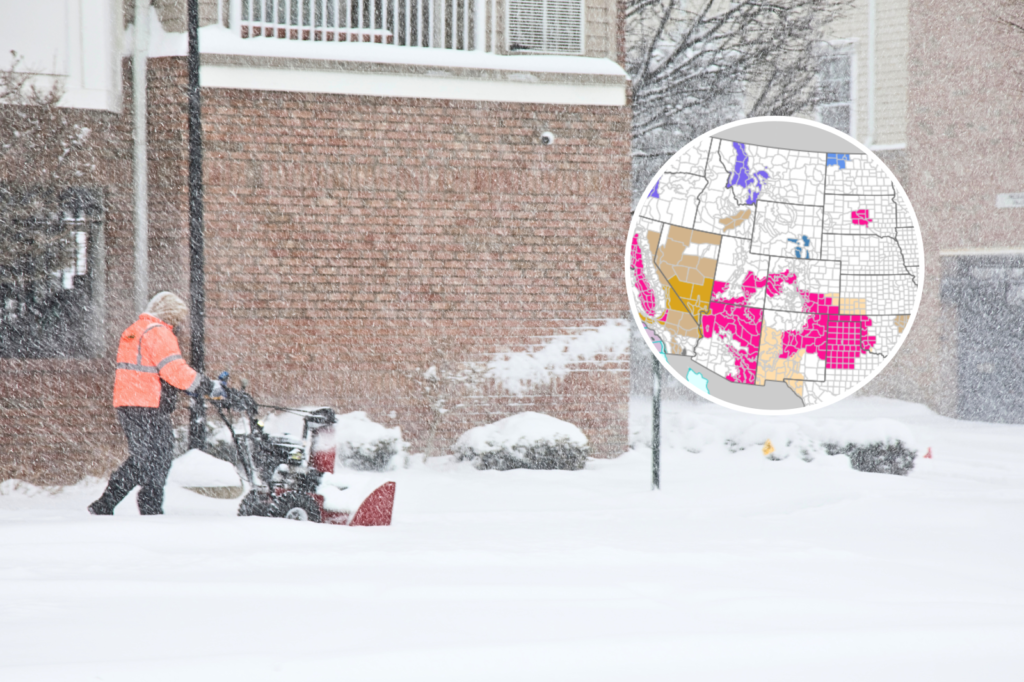
Winter isn’t done with Montana yet. A heavy snow warning is in effect across parts of the state as a significant storm system pushes through the Pacific Northwest and Northern Rockies, bringing the kind of conditions that can catch people off guard — even in mid-to-late season.
Forecasters are tracking snowfall totals that could reach up to 12 inches in some areas, with wet, heavy snow expected to pile up quickly depending on elevation and location. The storm is affecting a wide swath of the region, including neighboring Washington and Oregon.
Why This Storm Is Different
It’s not just the snow totals that have forecasters paying attention. The National Weather Service has flagged the wet and raw nature of this system as a particular concern for anyone spending time in the backcountry. Cold, saturated conditions like these raise the risk of hypothermia — even for experienced outdoor enthusiasts who may underestimate how quickly the weather can turn.
That’s a real consideration in Montana, where trails, ski areas, and remote mountain terrain draw hikers, snowshoers, and backcountry skiers well into the spring. Wet snow combined with dropping temperatures and wind can be a dangerous combination, especially at higher elevations where conditions change fast.
For people in lower elevations and valley towns, the bigger concern is likely road conditions. Heavy, wet snow is dense and can accumulate on roads and highways quickly, making travel slippery even with four-wheel drive. Morning and evening commutes could be significantly impacted depending on when the heaviest bands move through.
Local Impact
Rural communities and those living along mountain corridors are likely to feel this storm more than urban areas. Power lines weighed down by wet snow can fail, and downed trees become a real hazard during these kinds of events. Residents in outlying areas should take the warning period seriously and prepare for the possibility of temporary outages or road closures.
For ranchers and farmers, late-season heavy snow can also create challenges for livestock and equipment. Wet snow is heavier than typical winter snow, which means roofs, outbuildings, and older structures may face added stress.
What Residents Should Know
- A heavy snow warning means significant snowfall is expected — travel could become hazardous, so check road conditions before heading out.
- Backcountry travelers should postpone trips or take extra precautions, as wet conditions significantly increase hypothermia risk.
- Keep an emergency kit in your vehicle with blankets, water, and basic supplies in case you get stranded.
- Check on neighbors, especially elderly residents or those living alone in rural areas.
- Stay updated through the National Weather Service and local emergency management channels for the latest forecast and any new warnings.
Storms like this are a reminder that spring in Montana doesn’t always mean the end of serious winter weather. Conditions can shift quickly, and the best approach is always to stay informed and give yourself extra time — or stay home if the roads look rough. The mountains will still be there once the storm passes.