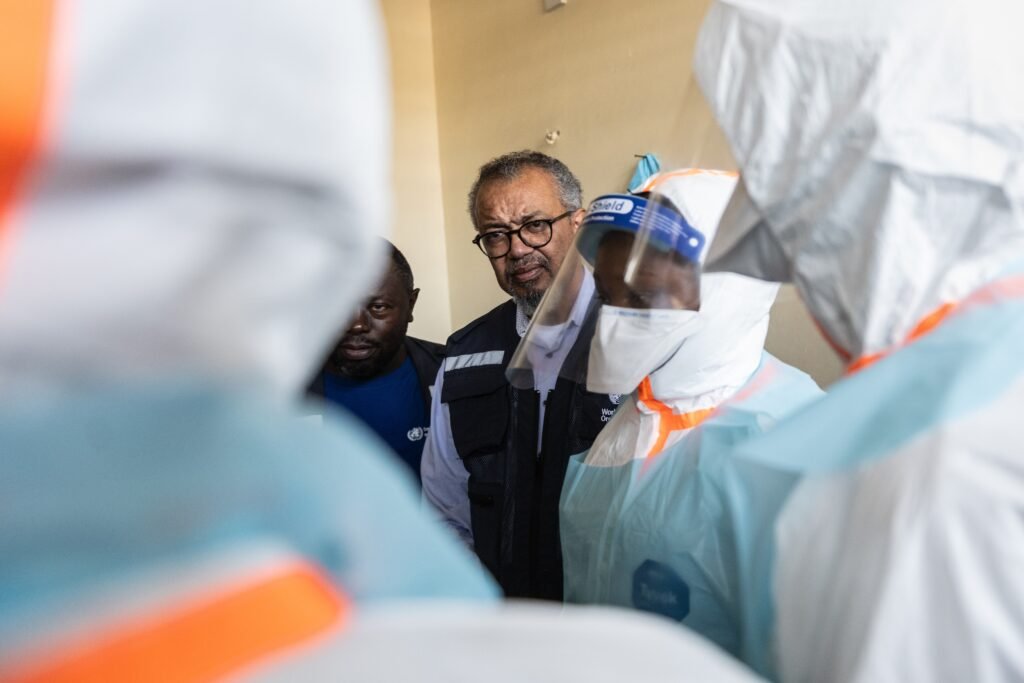
The strain driving the outbreak is the Bundibugyo virus – a variant of Ebola for which there is no approved treatment and no approved vaccine. That gap leaves medical teams with no standardized drug protocol as the case count keeps climbing.
Background
Ituri province sits in the far northeast of Congo, near the borders with Uganda and South Sudan. It’s an area that has dealt with repeated health crises over the past decade, and the terrain and ongoing insecurity in the region complicate containment efforts. Congo has also battled separate outbreaks of the more commonly known Zaire strain of Ebola in recent years, but Bundibugyo is a distinct species with its own case fatality patterns.
The Bundibugyo virus was first identified in Uganda in 2007, named for the district where it emerged. A second Bundibugyo outbreak hit Congo’s Isiro health zone in 2012. This current cluster, focused in Ituri, marks the virus’s return after years of dormancy.
No approved vaccine exists for Bundibugyo. The vaccines deployed during prior Congo Ebola emergencies – including the rVSV-ZEBOV shot used during the 2018-2020 Kivu outbreak – were developed specifically against the Zaire species and don’t cover Bundibugyo. That means health authorities can’t roll out the ring-vaccination strategies that helped end those earlier crises.
Survivors of the current outbreak have been describing their recoveries publicly, NPR reported, though the specific accounts weren’t detailed in the published summary. Survivor testimony has historically played a role in community trust-building during Congo outbreaks, where rumors and mistrust have sometimes slowed response efforts.
The World Health Organization and Congo’s health ministry hadn’t released an updated case fatality rate in the details available from NPR’s report as of June 1. The total number of deaths tied to the 282 confirmed cases wasn’t given.
Originally reported by NPR. Read the original report.