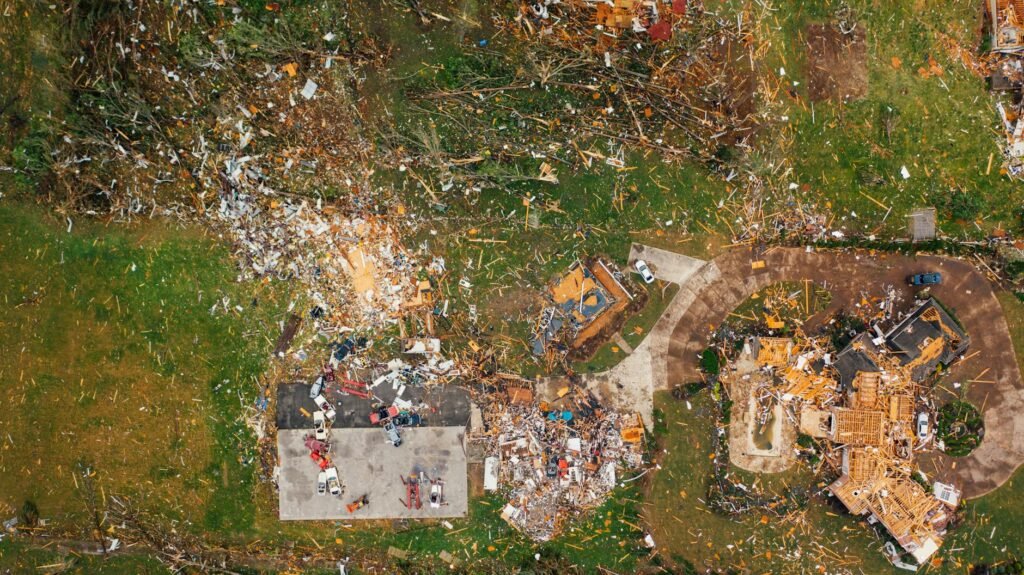
Spencer Pratt filmed his family sleeping in an Airstream trailer on the charred remains of their $2.5 million Pacific Palisades home, and the resulting video generated more engagement than anything he had posted in years. The raw footage of his children exploring the ash-covered ruins where their bedrooms once stood has been viewed millions of times across platforms, each view translating into tangible revenue through creator fund payments, brand partnerships, and increased follower monetization. This scene represents a growing phenomenon in disaster content monetization—where celebrities and influencers transform personal tragedy into income streams that often exceed their pre-crisis earnings.
The economics are stark and undeniable. Platform algorithms prioritize emotionally charged content, and nothing generates more authentic emotional response than genuine loss captured in real time. What emerges is a complex ecosystem where financial necessity, audience sympathy, and platform profit incentives converge to create unexpected opportunities for wildfire recovery income and career rehabilitation.
The Algorithm Rewards Authentic Tragedy
Social media platforms have fundamentally altered how disaster content monetization functions in the creator economy. Instagram, TikTok, and YouTube all operate creator fund programs that pay based on engagement metrics—views, comments, shares, and time spent watching. Disaster content consistently outperforms standard lifestyle posts by margins that can reach 300-400% higher engagement rates.
Platform data indicates that authentic crisis content generates what industry insiders call “empathy engagement”—viewers spend longer watching, comment more frequently, and share at higher rates than typical celebrity social media posts. A single video documenting fire damage or temporary living arrangements can earn between $5,000 and $50,000 in direct platform payments, depending on the creator’s follower count and engagement metrics. But the real money comes from what happens next.
The increased visibility creates opportunities for brand partnerships with insurance companies, home goods retailers, and charitable organizations seeking authentic spokespeople. These deals often pay significantly more than traditional influencer partnerships because they tap into active public sympathy and generate organic media coverage that extends far beyond social platforms.
Reality Stars Master Crisis-to-Cash Conversion
Former reality television personalities have proven particularly adept at leveraging disaster content for financial recovery. Their existing experience with public vulnerability and camera-ready emotional performance translates directly into effective influencer crisis marketing. The key lies in balancing genuine hardship documentation with strategic content planning that maximizes revenue potential.
Pratt and Heidi Montag exemplify this approach. Within days of losing their home, they had established multiple revenue streams through their disaster documentation. Their fire evacuation videos, temporary housing tours, and family impact testimonials created a narrative arc that kept audiences engaged across weeks of content. Each post built upon previous content while introducing new elements—the children’s reactions, insurance challenges, community support—that sustained interest and monetization opportunities.
The couple has generated an estimated $200,000 in direct social media revenue from their fire-related content, according to industry tracking services. This includes platform creator fund payments, sponsored content from emergency preparedness brands, and increased sales of their existing merchandise lines. More importantly, their follower counts have surged by over 40%, creating long-term earning potential that extends well beyond the immediate crisis.
The Monetization Mechanics Behind Disaster Content
Understanding how celebrity social media disaster content generates revenue requires examining the multiple income streams that activate during crisis periods. The process operates across several simultaneous channels that compound to create substantial earning potential.
Direct platform payments form the foundation. YouTube’s Partner Program pays approximately $3-5 per thousand views for monetized content, while TikTok’s Creator Fund and Instagram’s bonus programs offer similar rates. Disaster content routinely achieves view counts that dwarf typical celebrity posts, sometimes reaching tens of millions of views across platforms.
Brand partnerships become significantly more lucrative during crisis periods. Companies pay premium rates for authentic disaster content integration because it guarantees higher engagement and positive brand association with charitable giving or community support. Insurance companies, home security firms, and emergency preparedness brands regularly offer five-figure deals for single posts that feature their products or services in disaster recovery contexts.
- Merchandise sales surge as audiences seek ways to support affected celebrities directly
- GoFundMe and donation platforms generate direct cash contributions from sympathetic followers
- Speaking engagements and media appearances increase substantially during and after crisis periods
- Book and media deals often emerge for celebrities who document their recovery journey effectively
- Licensing fees for news outlets and media companies using the celebrity’s disaster content in their coverage
Ethical Questions Around Disaster Content Monetization
The intersection of genuine hardship and calculated content strategy raises significant questions about exploitation and authenticity in the influencer economy. Critics argue that disaster content monetization represents a troubling evolution of trauma capitalism, where personal suffering becomes commoditized for audience consumption.
Child advocacy groups have raised particular concerns about family disaster content that features minors navigating loss and displacement. Videos showing children’s reactions to destroyed homes or temporary living situations generate high engagement precisely because of their emotional authenticity, but they also document vulnerable moments that children cannot consent to monetizing.
Media ethics experts point to the performative elements that inevitably emerge when disaster documentation becomes profitable. The pressure to maintain audience engagement can lead to manufactured drama, extended crisis narratives, or exploitation of family members who may not fully understand the commercial implications of their participation.
However, defenders of the practice note that disaster content monetization serves genuine financial recovery needs. Many celebrities lack traditional insurance coverage or financial reserves sufficient to rebuild after major losses. Social media monetization provides immediate income during periods when other revenue streams have been disrupted or eliminated entirely.
The Psychology of Audience Engagement with Crisis Content
Viewer behavior around celebrity disaster content reveals complex psychological motivations that drive the high engagement rates essential for monetization. Audiences report feeling more connected to celebrities who share authentic vulnerability, creating parasocial relationships that translate directly into increased spending on supported brands and products.
Research indicates that disaster content triggers what psychologists term “protective concern” in viewers—the desire to help and support individuals facing genuine hardship. This emotional response drives higher rates of sharing, commenting, and direct financial support through donations or merchandise purchases.
The phenomenon creates a feedback loop where celebrities who share more vulnerable content receive more support, incentivizing increasingly personal disclosure about their recovery process. Some creators report feeling pressure to maintain crisis narratives longer than their actual recovery period to sustain audience engagement and associated revenue.
Long-Term Career Impact of Crisis Content Strategy
The career implications of celebrity social media disaster content extend far beyond immediate financial recovery. Many creators find that authentic crisis documentation fundamentally alters their public persona and creates opportunities for career pivots that would not have existed otherwise.
Pratt’s disaster content has enabled his transition into political candidacy and community advocacy roles that leverage his wildfire experience. The authentic documentation of his family’s challenges has created credibility and public recognition that traditional celebrity endorsements could not achieve. His mayoral campaign has raised over $100,000 in donations, much of it from followers who first connected with his family through their disaster recovery content.
Other celebrities report that crisis content humanizes their public image in ways that create lasting audience loyalty. The vulnerability and authenticity required for effective disaster documentation breaks down traditional celebrity-audience barriers, creating more direct and profitable relationships with followers.
But the strategy also carries reputational risks. Celebrities who appear to exploit their hardship or extend crisis narratives beyond reasonable timelines face backlash that can damage long-term earning potential. The line between authentic documentation and calculated exploitation remains subjective and constantly evolving based on audience sentiment.
The Future of Crisis Marketing in the Creator Economy
As influencer crisis marketing becomes more sophisticated and widespread, platforms are developing new features specifically designed to support creators during emergency periods. Instagram’s “Crisis Creator Support” program provides expedited monetization approval and increased revenue sharing for verified creators documenting genuine hardships.
Brand partnerships around disaster content are becoming more structured and transparent, with agencies specializing in crisis period influencer marketing. These firms help match appropriate brands with affected creators while establishing ethical guidelines that protect both parties from reputational damage.
The emergence of disaster content monetization as a legitimate revenue stream reflects broader changes in how audiences consume celebrity content and form parasocial relationships. The demand for authentic, vulnerable content continues to increase, creating sustained opportunities for creators who can effectively balance genuine sharing with strategic monetization.
What began as desperate financial necessity for celebrities like Pratt and Montag has evolved into a sophisticated content strategy that other creators study and replicate. The success of their wildfire recovery income approach demonstrates that authentic crisis documentation can provide both immediate financial relief and long-term career benefits when executed thoughtfully. As social media platforms continue rewarding emotional engagement and audiences increasingly seek authentic celebrity content, disaster content monetization will likely become a standard component of comprehensive influencer marketing strategies.