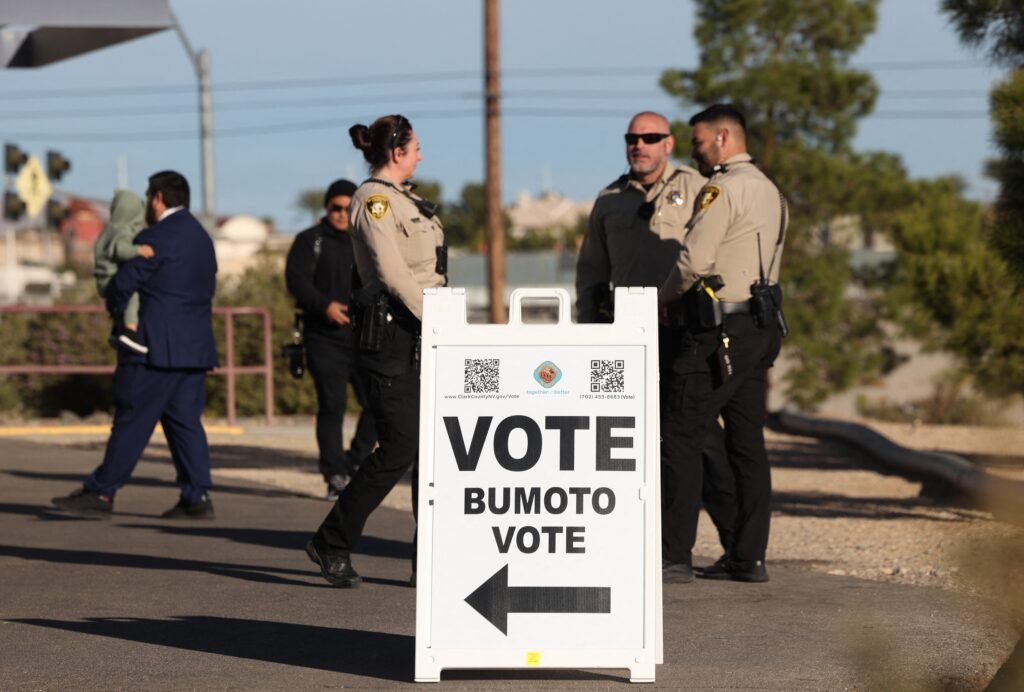
Local police departments have taken on a growing role in election security since 2020, as tensions around American elections have pushed local officials to seek more backup from law enforcement, according to NPR.
The shift isn’t subtle. What was once handled largely by election administrators and poll workers has increasingly drawn in officers from local agencies – a change that reflects how fraught election administration has become in the years since the 2020 presidential race.
Background
Election officials across the country have faced a surge of threats and disruptions since 2020. That pressure has driven many county and municipal clerks to bring law enforcement into planning conversations they’d historically handled on their own.
Local police, in turn, have had to adapt. Staffing polling locations, coordinating with election boards, and preparing for potential confrontations aren’t duties most departments trained for a decade ago.
NPR published its report on Friday, June 6, 2026, as the country heads into another election cycle with security concerns still unresolved at most levels of government. No federal mandate governs how local law enforcement engages with elections, which means the arrangements vary widely from one jurisdiction to the next.
That inconsistency is its own problem. A county with a well-resourced sheriff’s department might have a detailed security plan; a smaller township might have nothing formal at all. Whether that patchwork approach holds up under real pressure hasn’t been tested at scale.
NPR’s report didn’t name specific jurisdictions or detail particular incidents, so the full scope of how these arrangements are structured — and who’s paying for the added law enforcement presence – isn’t clear from the available reporting.
Reported by NPR. Read the original report.