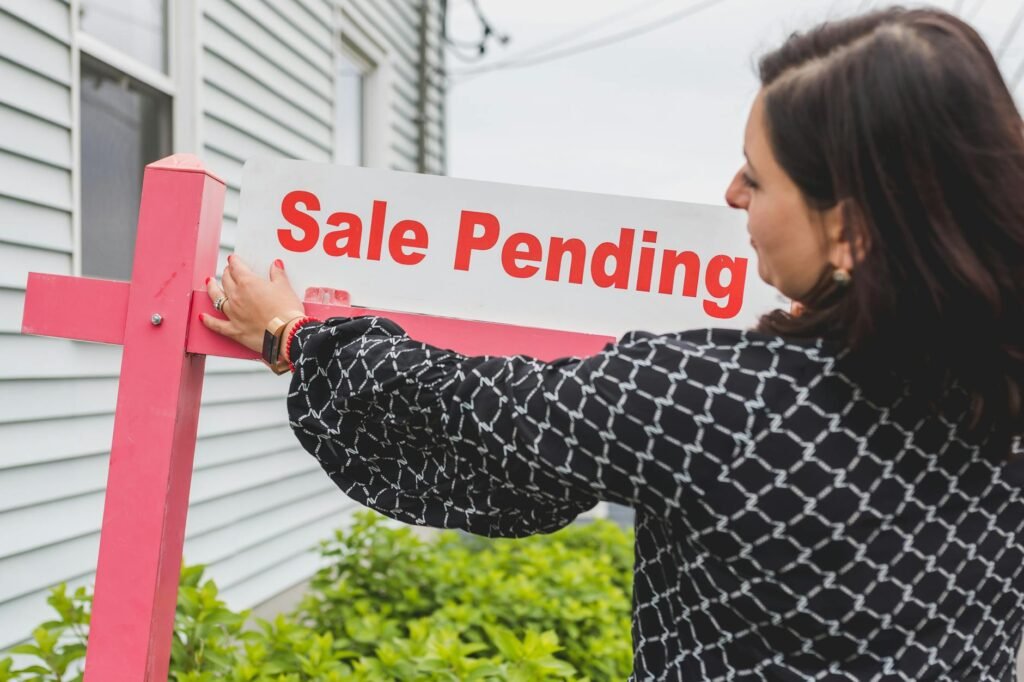
When Outer Banks premiered on Netflix in April 2020, Charleston real estate agent Melissa Crawford thought she was witnessing a freak occurrence. Within weeks of the show’s debut, her phone would not stop ringing. Buyers from across the country wanted to know one thing: Could she find them a waterfront property that looked exactly like the Pogues’ hideout?
Four years later, Crawford has witnessed something unprecedented in her two decades of selling South Carolina coastal properties. The Netflix real estate phenomenon has transformed not just Charleston’s market, but dozens of filming locations across the United States, creating boom-and-bust cycles that leave local agents, investors, and homeowners scrambling to understand the new rules of entertainment real estate.
Charleston’s Netflix Real Estate Surge Breaks All Records
The numbers tell a remarkable story. Charleston County property values have surged 43 percent since Outer Banks began filming in 2019, according to data from the Charleston County Assessor’s Office. But that figure masks the true impact on waterfront properties specifically featured in the show’s most iconic scenes.
Mount Pleasant, where the series shot extensively and where star Chase Stokes recently purchased and sold a $3 million home within months, has seen luxury property prices increase by 68 percent. The Folly Beach area, used for multiple surfing sequences, experienced a 71 percent jump in median home prices between 2020 and 2024.
“I’ve never seen anything like it,” Crawford admits. “We’re getting buyers who show up with screenshots from Netflix episodes, asking to see ‘that exact house’ or wanting properties within walking distance of filming locations. Some don’t even care about the condition or price—they just want to live where John B lived.”
The phenomenon extends beyond purchasing. Short-term rental properties in show neighborhoods have seen occupancy rates climb 280 percent, with nightly rates jumping from an average of $180 to $485 for properties that can credibly claim connections to the series. Property management company Lowcountry Vacation Rentals reports that homes advertised as “Outer Banks filming locations” book solid for eighteen months in advance.
The Celebrity Home Hunt Reaches Fever Pitch
What started as casual curiosity about filming location property has evolved into something resembling mania. Real estate professionals across multiple Netflix markets report identical trends: inquiries about celebrity homes have increased by an average of 315 percent since streaming platforms began dominating entertainment consumption.
The pattern plays out with predictable intensity. A show premieres. Social media explodes with location speculation. Real estate websites experience traffic surges as viewers attempt to identify not just filming locations, but the actual residences of their favorite stars.
Take Woodstock, Georgia, where The Walking Dead filmed for eleven seasons. Local agent Patricia Hendricks estimates that 40 percent of her luxury home inquiries over the past three years have originated from people hoping to buy properties once owned by cast members. Similar spikes occurred in Hawkins, Indiana (the setting for Stranger Things, though actually filmed in Georgia), and the Ozark Lake region of Missouri.
“People want to buy into the fantasy,” explains entertainment real estate specialist David Kumar, who tracks show location investment trends for institutional buyers. “They’re not just purchasing property—they’re purchasing proximity to their entertainment obsessions.”
Tourism Money Transforms Neighborhood Economics
The Netflix real estate boom creates ripple effects that extend far beyond individual property transactions. Tourism-driven rental income in show neighborhoods routinely jumps 250 percent or more, fundamentally altering local economic structures.
Consider Jackson Hole, Wyoming, where Yellowstone (technically a Paramount series, but the streaming effect operates similarly) transformed rental markets. Properties within a fifty-mile radius of key filming locations now command premium rates year-round, not just during traditional tourist seasons.
Local business owner Sarah Mitchell, who owns three rental properties near Yellowstone filming sites, describes the change as “absolutely surreal.” Her properties, which previously struggled to maintain 60 percent occupancy, now stay booked at rates she previously charged only during peak summer months.
The economic impact cascades through entire communities. Restaurants featured in shows report months-long waiting lists. Tours companies spring up overnight, offering “authentic filming location experiences.” Property tax revenues surge, sometimes creating budget surpluses in previously cash-strapped municipalities.
But the Netflix effect cuts both ways. When shows wrap production or get cancelled, the economic balloon can deflate just as rapidly as it expanded.
The Inevitable Bust: When Shows End, Markets Crash

Here’s where the Netflix real estate story gets complicated. Post-show wrap periods create massive market uncertainty, particularly for premium properties purchased at peak hype prices.
Senoia, Georgia, provides a cautionary tale. The small town south of Atlanta served as the primary filming location for The Walking Dead throughout its run. Property values tripled during the show’s peak years. Tourism boomed. Local businesses thrived.
Then production ended.
Within eighteen months, residential property values dropped 31 percent. Tourism revenue fell by nearly half. Businesses that had expanded to serve the influx of show-motivated visitors found themselves overextended in a suddenly contracted market.
“We got caught up in the excitement,” admits former mayor Robert Belisle. “Everyone assumed the attention would continue indefinitely. When the cameras left, reality hit hard.”
Real estate investors who purchased properties at peak prices during the show’s height now face significant losses. Some luxury homes bought as investments or celebrity-proximity purchases sit on the market for months, listed at prices that no longer match buyer demand.
Other Netflix Markets Experience Similar Boom-Bust Cycles
The pattern repeats across streaming platform filming locations with remarkable consistency. Show launches, property interest surges, prices inflate, production ends, markets correct—sometimes overcorrect.
Recent examples include:
- Bridgerton filming locations in Bath, England, where period-appropriate properties saw 89 percent price increases during the show’s peak popularity, followed by a 22 percent correction when season gaps extended longer than expected
- Squid Game effect in Seoul’s Seongsu-dong district, where residential properties near filming locations experienced six-month waiting lists, then sudden inventory surpluses when international buyer interest waned
- Emily in Paris impact on specific Paris neighborhoods, where short-term rental properties commanded triple previous rates before French regulatory changes burst the bubble
- The Queen’s Gambit influence in Berlin’s Kreuzberg area, where chess-themed property marketing became briefly ubiquitous before market interest returned to normal patterns
Entertainment real estate boom dynamics follow surprisingly similar trajectories regardless of geographic location or local market conditions. Initial enthusiasm drives irrational purchasing decisions. Media attention amplifies demand artificially. When attention shifts to newer shows, previous hotspots struggle with inflated property values that no longer match organic demand.
Savvy Investors Learn to Time the Streaming Market
Despite the risks, sophisticated real estate investors have begun developing strategies specifically designed to capitalize on Netflix real estate cycles. The key lies in understanding timing, market psychology, and the difference between authentic location value and manufactured hype.
Investment firm Coastal Entertainment Properties, which specializes in filming location real estate, has developed a proprietary system for identifying shows likely to create sustained market impact versus short-term speculation bubbles. Their criteria include production budget size, cast star power, social media engagement metrics, and most importantly, whether shows film multiple seasons in the same location.
“Single-season wonders create brief spikes that usually aren’t sustainable,” explains firm principal Amanda Torres. “But shows that commit to long-term location relationships—like Outer Banks in Charleston—can fundamentally alter local market dynamics for years.”
Torres’s firm focuses on purchasing properties during the six-month window after show announcements but before filming begins, when local markets haven’t yet recognized the coming attention. They hold through peak hype periods, maximizing rental income, then sell to individual buyers who want permanent connections to their favorite shows.
The strategy requires nerves of steel and deep entertainment industry knowledge, but Torres reports average returns of 34 percent annually on filming location property investments over the past five years.
The Future of Entertainment-Driven Real Estate Markets
Streaming platforms show no signs of slowing content production, which means the Netflix real estate phenomenon will likely intensify rather than diminish. But market participants are getting smarter about distinguishing between sustainable location value and temporary speculation.
Local governments are also adapting. Charleston has implemented new short-term rental regulations specifically designed to manage tourism surges from entertainment productions. Other filming location municipalities are studying Charleston’s approach as a potential model.
Real estate professionals now routinely include entertainment industry analysis in their market assessments. Property valuations increasingly factor in “filming location proximity” as a measurable asset category, similar to school district ratings or transportation access.
The Netflix effect has permanently altered how Americans think about residential real estate. Properties aren’t just places to live—they’re potential connections to entertainment experiences that define modern cultural conversations. As streaming platforms continue expanding global content production, expect the intersection of entertainment and real estate to become even more pronounced, creating opportunities for those who understand the rhythm of boom-bust cycles and risks for those who mistake temporary hype for permanent value.