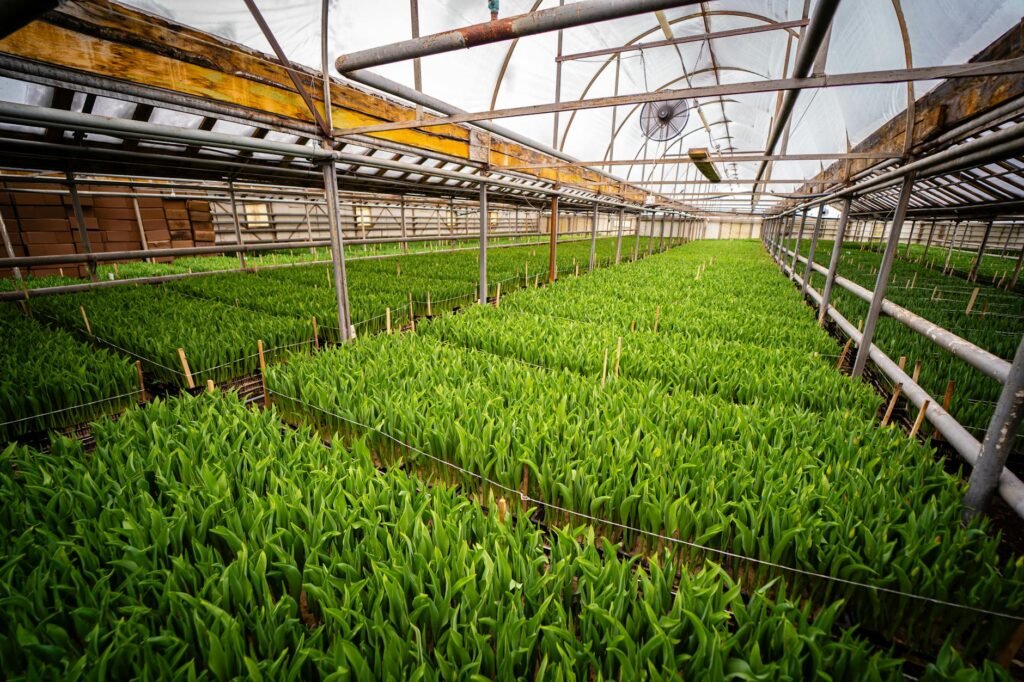
Drive through Yamhill County on any given Saturday morning, and you’ll witness something unprecedented. Former tech workers from San Jose are hawking dahlias next to fourth-generation Oregon farmers. The local farmers’ market—once dominated by a handful of established growers—now hosts waiting lists dozens deep. And those rolling hills outside Portland? They’re dotted with hoop houses and flower beds owned by newcomers who couldn’t afford a garden shed back in California.
Oregon flower farming has exploded since 2020, with the state seeing a 300% increase in new flower operations. But here’s the catch—most of these new growers aren’t Oregon natives. They’re California transplants who’ve discovered they can buy acreage for the price of a Silicon Valley studio apartment and turn a profit growing what many locals still consider “pretty weeds.”
The Numbers Don’t Lie—Oregon Flower Farming Is Booming
Sarah Chen knows the transformation firsthand. She’s been selling her organic vegetables at the Beaverton Farmers Market for twelve years, occupying the same corner spot since 2012. Last season, she watched twenty-three new flower vendors apply for just four available slots. “I’ve never seen anything like it,” Chen says. “These aren’t hobbyists with a few mason jars of sunflowers. They’re running legitimate businesses with branded signage and Square readers.”
The statistics back up Chen’s observations. According to the Oregon Department of Agriculture, flower farm registrations jumped from 127 in 2019 to 384 by the end of 2023. Property sales for agricultural land within 50 miles of Portland have increased 40% since 2021, with the average price per acre climbing from $8,200 to $11,480. The majority of buyers? Transplants from California’s Bay Area and Los Angeles County.
What’s driving this agricultural migration isn’t just economics—though a two-acre plot in Oregon’s Willamette Valley costs roughly the same as a two-bedroom condo in Palo Alto. It’s the realization that flower farming can generate serious income. Multiple new growers report gross revenues between $80,000 and $150,000 annually from small operations, numbers that would have seemed fantastical to Oregon’s traditional farming community just five years ago.
Water Wars: The Hidden Cost of California Migration
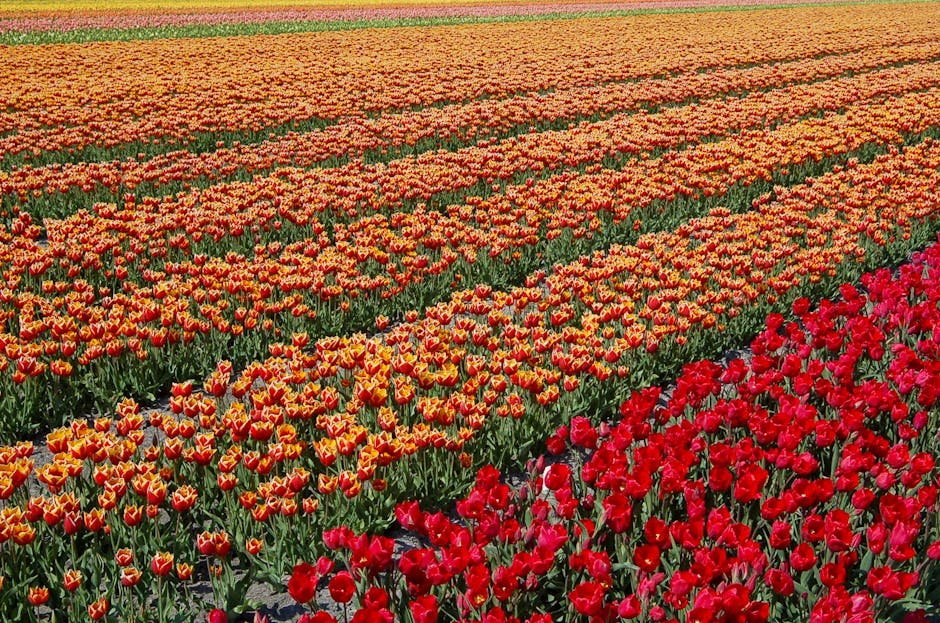
But all those new blooms require water. Lots of it.
In Washington County, where flower farms have tripled since 2020, water rights disputes are becoming increasingly common. The Tualatin Valley Irrigation District reports that agricultural water usage has increased 28% over the past three years, straining infrastructure originally designed for the region’s traditional crops—hazelnuts, wine grapes, and berries.
Local farmer Mike Rodriguez, whose family has grown hazelnuts in Forest Grove for three generations, puts it bluntly: “These flower people are using twice the water we do per acre, and they’re willing to pay twice the price for water rights. How are we supposed to compete with that?”
The tension isn’t just about water volume—it’s about timing. Established Oregon crops like hazelnuts and grass seed require heavy irrigation in late summer. Flower farms, especially those growing high-value cuts like lisianthus and ranunculus, need consistent water throughout the growing season. The overlap is creating bottlenecks in rural water systems that weren’t designed for such intensive, year-round demand.
Farmer’s Market Musical Chairs
Nowhere is the California migration more visible than at Oregon’s farmers’ markets. What were once sleepy Saturday morning affairs dominated by produce vendors and the occasional craft booth have transformed into competitive retail environments where flower stands often generate the highest revenue per square foot.
Take the Lake Oswego Farmers Market, where booth fees have increased 60% since 2021 to keep pace with demand. Market manager Jennifer Walsh receives approximately fifteen applications for every available flower vendor slot. “We’re having to implement lottery systems and waiting lists for the first time in our market’s history,” Walsh explains. “The demand is unprecedented.”
Established Oregon growers are feeling the squeeze. Tom Brennan, who’s been selling certified organic vegetables at Portland-area markets for fifteen years, watched his prime spot at the Hillsdale Farmers Market go to a flower vendor willing to pay double the standard booth fee. “I don’t blame them for taking the money,” Brennan says. “But it’s frustrating when you’ve built relationships with customers over decades, and suddenly you’re priced out by someone who moved here six months ago.”
The competition has forced many traditional vendors to adapt or lose their positions. Several longtime produce vendors now dedicate 20-30% of their growing space to flowers, despite having no previous experience with ornamental crops.
Property Values Bloom Along with the Flowers
Real estate agent Maria Santos has watched the transformation of Oregon’s agricultural land market with a mixture of amazement and concern. Santos, who specializes in rural properties throughout the Willamette Valley, says California buyers now represent 65% of her agricultural sales—up from just 12% in 2019.
“They’re not just buying land,” Santos explains. “They’re buying it sight unseen, often paying 15-20% over asking price, with cash offers. Local families who’ve been farming for generations simply can’t compete with that kind of purchasing power.”
The ripple effects extend far beyond individual property sales. Rural communities that once struggled to maintain population levels are now grappling with rapid demographic shifts. The town of Carlton, population 2,100, has seen its housing costs increase 35% since 2021 as new agricultural entrepreneurs compete with locals for limited housing stock.
Property tax assessments are following suit. Yamhill County assessor David Johnson reports that agricultural land reassessments have increased an average of 31% over the past two years, forcing some longtime farming families to reconsider their operations’ financial viability.
Adaptation or Extinction: How Oregon Growers Are Fighting Back
Oregon’s established agricultural community isn’t taking the California invasion lying down. Many are pivoting their business models to capitalize on the flower boom while leveraging their deep local knowledge and established customer relationships.
Consider the approach taken by Riverside Farms, a fourth-generation hazelnut operation outside McMinnville. Rather than viewing flower farmers as competition, owner Janet Miller partnered with three California transplants to create a “farm collective” that shares irrigation infrastructure, equipment costs, and market booth fees. The arrangement allows Miller to maintain her core hazelnut business while capturing some of the flower market’s higher profit margins.
“Why fight them when you can join them?” Miller asks. “These folks know how to market, they understand e-commerce, and they’re willing to pay premium prices for quality. We provide the agricultural expertise and local connections they need.”
Other Oregon farmers are differentiating themselves through specialization. Brothers Dan and Steve Paulson, who grew commodity wheat for twenty-five years, now cultivate heritage flower varieties specifically adapted to Oregon’s climate. Their “Oregon Native Blooms” brand commands premium prices at local markets by emphasizing their deep regional roots and sustainable growing practices.
Some established growers are also leveraging their relationships with local florists and wedding venues—connections that take years to develop and aren’t easily replicated by newcomers. These B2B relationships often provide more stable income than farmers’ market sales, though they require different skills and marketing approaches.
The Infrastructure Reality Check
Oregon’s rural infrastructure is straining under the pressure of rapid agricultural expansion. The state’s extension services, designed to support traditional crops like grass seed and berries, are scrambling to provide expertise on flower production techniques that many local agents have never encountered.
Processing facilities present another challenge. Oregon has abundant infrastructure for handling hazelnuts, berries, and wine grapes, but almost no facilities for post-harvest flower processing. Most flower farmers must invest in their own cold storage and processing equipment, adding significant startup costs that favor well-capitalized California transplants over local farmers looking to pivot their operations.
Transportation infrastructure is also showing stress. Rural roads designed for seasonal harvest traffic are now handling year-round deliveries as flower farmers ship directly to consumers across the country. Some county road departments are considering special assessments on high-traffic agricultural operations to fund necessary repairs and upgrades.
Looking Ahead: Sustainable Growth or Market Bubble?
The question facing Oregon’s agricultural communities isn’t whether the flower farming boom will continue—market trends suggest demand will remain strong. The real question is whether the current growth rate is sustainable, both economically and environmentally.
Oregon State University agricultural economist Dr. Rebecca Martinez warns that rapid expansion in any agricultural sector carries inherent risks. “We’re seeing classic bubble indicators,” Martinez notes. “Inflated land prices, speculative investment, and new entrants with limited experience in local growing conditions. That doesn’t mean the market will crash, but it does suggest we may see consolidation over the next few years.”
Water resources remain the most significant long-term constraint. State climatologists predict increasingly dry summers, which could force difficult choices about agricultural water allocation. Flower farming’s higher profit margins may justify premium water prices, but only if the market can sustain current pricing levels.
Meanwhile, Oregon flower farming continues attracting new entrants from California and beyond. The combination of affordable land, favorable growing conditions, and strong market demand creates compelling opportunities for agricultural entrepreneurs willing to navigate the challenges of rural infrastructure and local community integration.
For Oregon’s existing farming communities, the California migration represents both opportunity and threat. Those who adapt successfully may find themselves more prosperous than ever. Those who resist change risk being left behind in an agricultural economy that’s evolving faster than anyone anticipated. The flowers are blooming—but the real harvest is still to come.