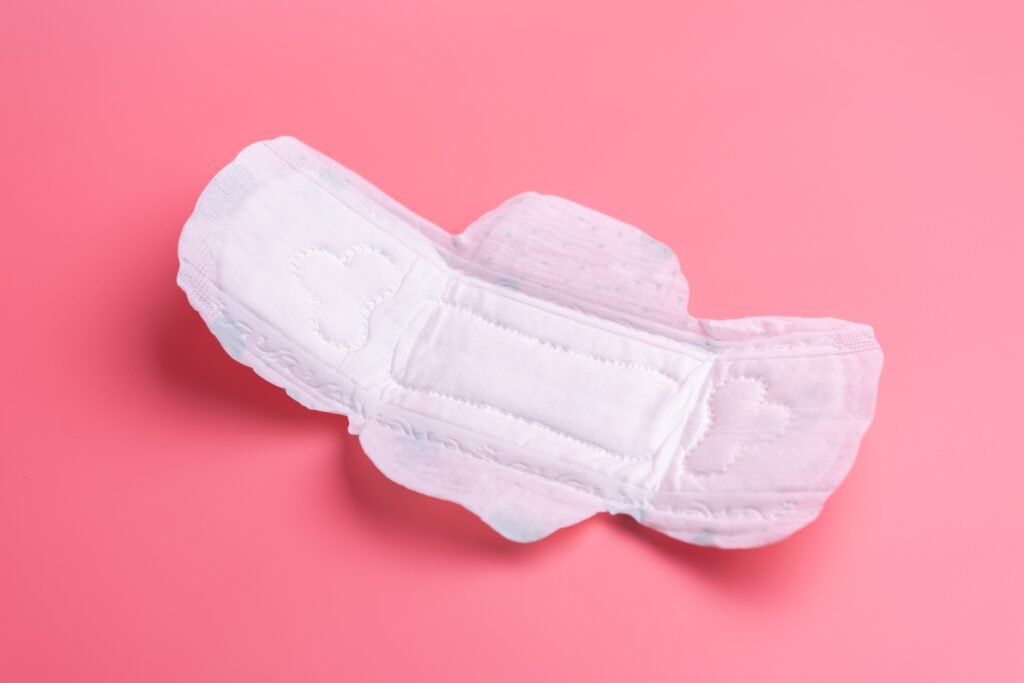
Pakistan has scrapped an 18% sales tax on menstrual products and contraceptives under a new national budget – a change activists spent years pushing for. Whether shoppers will actually pay less at the counter is a different question entirely.
The tax had long drawn criticism from health advocates who argued it treated basic hygiene items as luxury goods. The 18% levy applied to pads, tampons, and contraceptives, making them significantly more expensive for millions of Pakistani women.
The open question on prices
Removing a tax doesn’t automatically mean prices drop. Retailers and distributors control what lands on the shelf tag, and there’s no guarantee manufacturers pass the savings along. That gap between policy and practice is what campaigners are watching closely now that the budget has passed.
NPR reported the development Tuesday, June 17, 2026, noting that questions about the real-world price impact remain unanswered.
Activists in Pakistan had framed the old tax as a barrier to basic health access – particularly for lower-income women who already stretched budgets thin on essentials. The 18% rate wasn’t a rounding error; on a modest purchase, it added up fast.
How quickly — or whether — the market adjusts is something neither the government nor advocacy groups have publicly committed to tracking in any formal way, at least as of the budget’s passage.
Reporting by NPR. Read the original report.