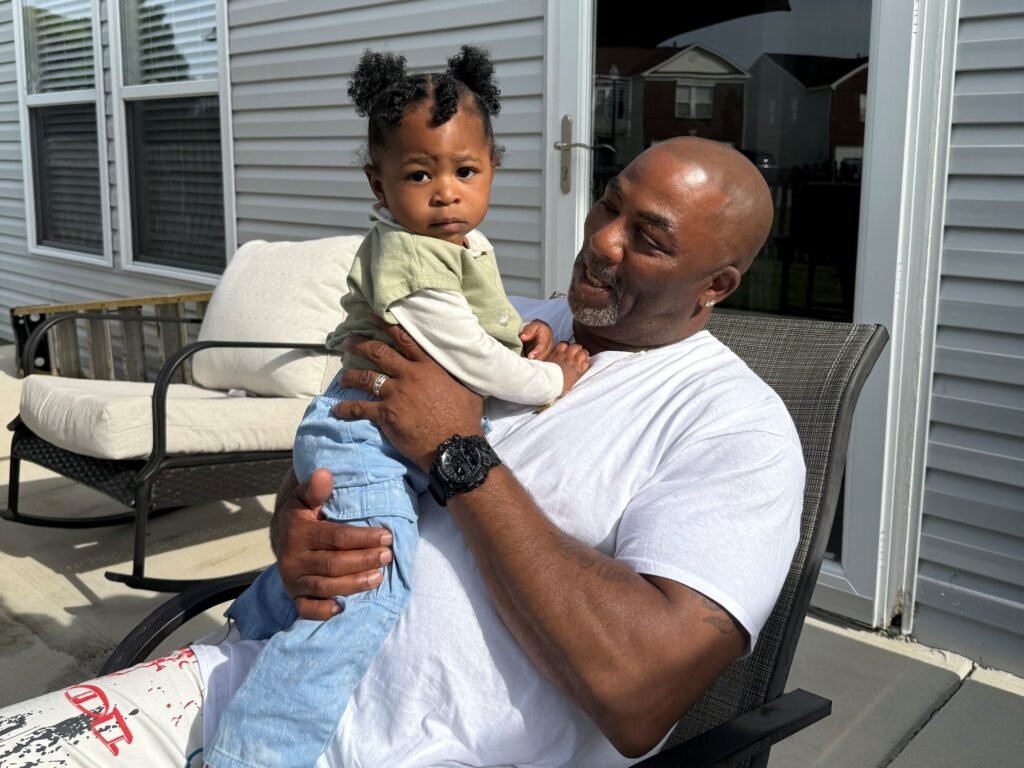
Anthony Bailey drives a bus and helps raise his grandchildren. He could soon be back behind bars.
Bailey’s case is one of roughly a dozen being directly reviewed in the wake of a Supreme Court ruling that tightens the conditions under which federal prisoners can use the compassionate release program to seek early release. The high court’s decision — handed down earlier this year — narrows the legal pathways inmates can cite when petitioning for reduced sentences.
Background
Compassionate release, a federal provision, allows judges to cut short a prison sentence when extraordinary circumstances apply — serious illness, a family crisis, or similar hardship. The program saw wider use after Congress expanded it under the First Step Act of 2018, which also allowed prisoners to file petitions directly, without waiting for the Bureau of Prisons to act on their behalf.
That expansion led to a surge in filings. Courts across the country split on what qualified as an “extraordinary and compelling” reason for release, and that split is at the center of the dispute the Supreme Court stepped in to resolve.
Bailey had been released under the program. Now the ruling puts his freedom in question again.
His case isn’t unique — about a dozen other people who were freed under similar circumstances face the same uncertainty. Whether courts will move to reimpose their sentences, and on what timeline, hasn’t been settled.