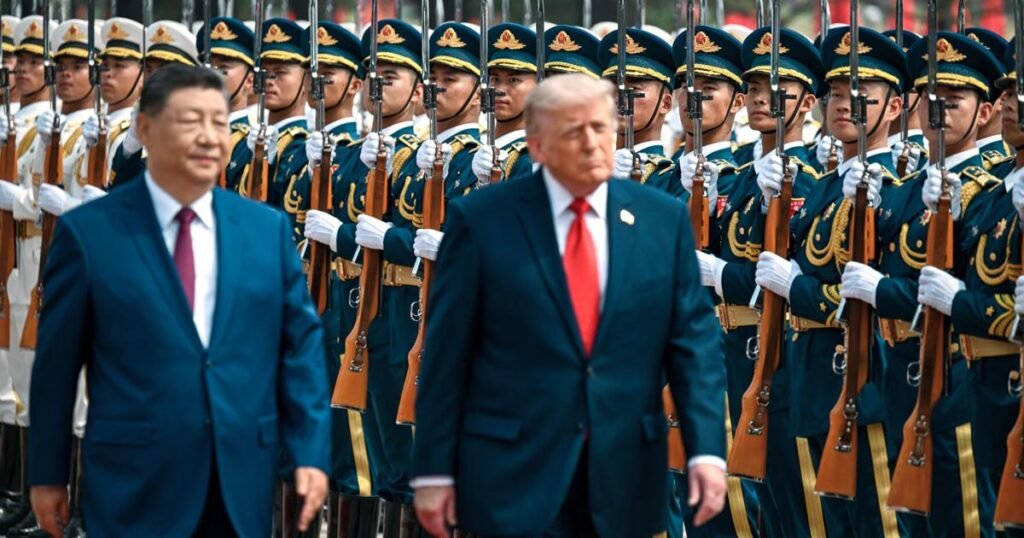
President Donald Trump wrapped up his visit to Beijing this week, and while U.S. and Chinese officials say the two sides made some headway, plenty of hard questions are still hanging in the air — including one that’s drawing attention across the country.
When asked whether he plans to send weapons to Taiwan, Trump said he simply hasn’t decided yet.
For most West Virginians focused on jobs, energy prices, and everyday costs, global diplomacy can feel like a distant concern. But the relationship between the United States and China touches more of daily life here than many people realize.
What Happened in Beijing
Trump met with Chinese President Xi Jinping over two days of talks and shared meals. Both sides described the conversations as productive in some ways, with progress made on stabilizing what has been a tense and complicated relationship between the world’s two largest economies.
Still, the meetings didn’t resolve the deep disagreements that have defined U.S.-China relations for years. Trade, technology, and Taiwan all remain flashpoints — and Trump’s comment about being undecided on Taiwan arms shipments signals that some of the most consequential decisions are still ahead.
Taiwan has long been a pressure point in the relationship. China considers the self-governing island part of its territory. The U.S. has historically supported Taiwan’s ability to defend itself, though the level of that support has shifted across administrations.
Why It Matters Closer to Home
West Virginia’s economy is deeply tied to energy production, manufacturing, and agriculture — all sectors that feel the ripple effects of U.S.-China tensions. When trade relations are rocky, markets for coal, natural gas, and farm products can shift quickly.
The state has seen firsthand how international trade decisions play out locally. Tariffs, export restrictions, and diplomatic uncertainty can affect everything from steel pricing to energy contracts. A warming or cooling in U.S.-China relations tends to move those markets.
There’s also the broader picture. Military and foreign policy decisions made in Washington carry weight for West Virginia’s large veteran population and the families of service members who are watching developments in the Pacific region closely.
That’s where things get interesting. Trump’s refusal to commit either way on Taiwan weapons leaves room for a range of outcomes — and the path chosen could have lasting consequences for how the U.S. positions itself in Asia for years to come.
What Residents Should Know
- Trump’s Beijing visit produced some diplomatic progress, but major disagreements between the U.S. and China remain unresolved.
- The president has not made a decision on whether to send weapons to Taiwan, leaving that question open for now.
- U.S.-China trade tensions can directly affect West Virginia industries including energy, agriculture, and manufacturing.
- Taiwan remains a sensitive issue in the relationship, and how it’s handled could shape broader U.S. foreign policy direction.
- West Virginians with ties to the military or energy sector may want to follow developments closely in the coming weeks.
The next steps out of Washington will say a lot about where this relationship is headed. For now, the Beijing visit is over — but the conversations it started are far from finished.