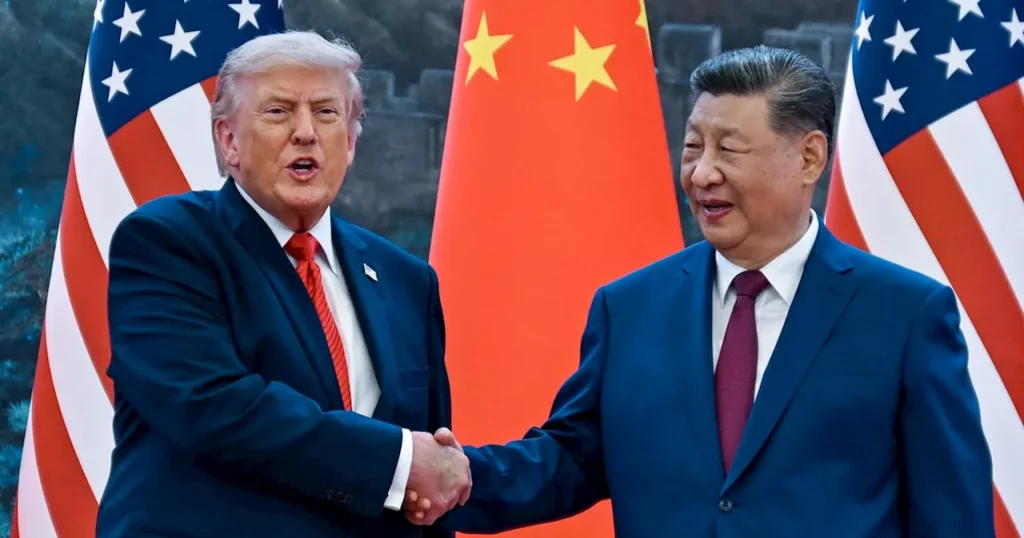
There was a lot of fanfare around President Trump’s latest push to strengthen trade ties with China. But when the dust settled, trade and energy analysts weren’t exactly celebrating.
According to experts who follow U.S.-China economic relations closely, the visit may have improved the tone of the relationship — but it stopped well short of delivering the kind of concrete, sweeping trade agreement that had been floated ahead of the trip.
For Pennsylvanians who work in manufacturing, steel, agriculture, or energy, that distinction matters more than it might seem from the headlines.
What Actually Happened
Trump’s engagement with Chinese leadership was described as productive in broad terms, with some movement on economic cooperation. But analysts noted that no major breakthrough deal was announced — and the specifics of what was agreed upon remained limited or vague by most accounts.
That’s a pattern trade watchers have seen before. High-level meetings often produce optimistic statements without the binding commitments that would actually shift trade flows or pricing for American industries.
For a state like Pennsylvania — which has deep roots in steel production, natural gas, and agricultural exports — the lack of a firm deal means continued uncertainty in sectors that are already navigating a complicated global market.
Why This Hits Close to Home
Pennsylvania has long been at the center of trade debates. The steel industry in the western part of the state, farming communities in the central and eastern regions, and energy producers tied to the Marcellus Shale formation all have a stake in how the U.S. manages its economic relationship with China.
When trade policy shifts — or doesn’t shift — workers and business owners here feel it. Tariffs, export restrictions, and market access agreements directly affect pricing, demand, and jobs across the state.
Even without a dramatic headline deal, smaller policy signals from Washington can ripple through local supply chains faster than most people realize. That’s why trade analysts tend to urge caution when political optimism outpaces the actual paperwork.
For now, the situation remains in a kind of holding pattern. Relations between the two countries may be warming slightly, but the structural trade tensions that have built up over years aren’t going away with a single trip.
What Residents Should Know
- No major U.S.-China trade deal was finalized during Trump’s recent visit, despite positive rhetoric from both sides.
- Pennsylvania industries like steel, natural gas, and agriculture are among those most sensitive to shifts in U.S.-China trade policy.
- Experts urge watching for specific, enforceable agreements rather than general statements of cooperation.
- Tariffs and trade restrictions affecting China could still shift in the coming months, so businesses should stay informed.
- Local chambers of commerce and industry groups can be good resources for tracking how federal trade developments affect Pennsylvania-based operations.
Whether the current diplomatic energy leads somewhere more concrete down the road remains to be seen. Pennsylvania workers and business owners will be watching — and they’ve learned over the years not to count on a deal until the details are actually on the table.