Six states held primaries on Tuesday, May 20, and the results told a familiar story — at least on one side of the ballot.
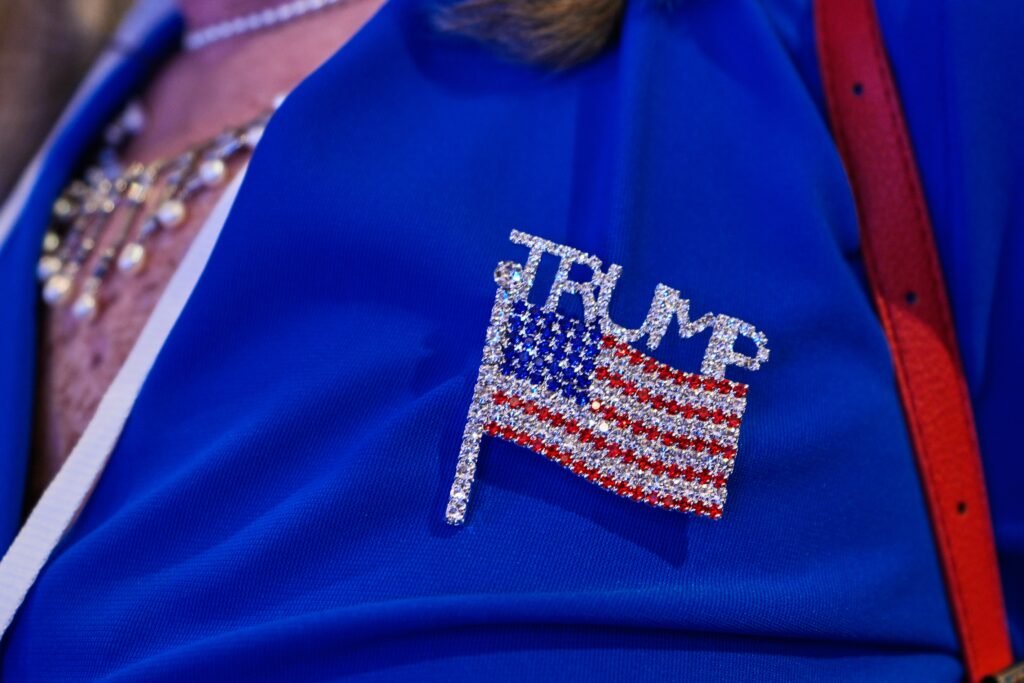
Candidates backed by former President Donald Trump kept winning. NPR described the string of victories as part of Trump’s “vengeance tour,” a phrase that’s stuck to this cycle’s Republican primaries like paint on a fence. Loyalty to Trump, or the appearance of it, carried weight in race after race.
But winning a primary isn’t the same as winning in November.
NPR flagged a tension that GOP strategists can’t ignore: the nominees who survived Tuesday now face general election opponents in swing districts and swing states where the math looks different. Primary voters and general election voters don’t always want the same things. They often don’t.
That’s the question hanging over these results. Can front-line Republican candidates — the ones who’ll be defending tight seats — keep Trump’s base energized without alienating the moderates and independents they’ll need in the fall? NPR framed it bluntly, asking whether those candidates can “navigate these choppy waters.”
No specific vote totals or individual race results were released in NPR’s initial reporting. The coverage focused instead on the broader pattern: Trump’s influence remains the defining force in Republican primaries, even as it creates potential problems down the line for the party’s general election map.
Half a dozen states holding primaries on a single night gives both parties a batch of data to chew on. For Democrats, Tuesday’s results clarified who they’ll be running against in some of the country’s most competitive districts. For Republicans, the victories were clean — but the harder races haven’t started yet.
Specific matchups and margin breakdowns from Tuesday’s contests haven’t been detailed by NPR as of Wednesday morning.