
At fifty-three, Margaret Thompson could have bought a house in Denver. Her consulting business was thriving, her credit score sparkled at 780, and she had $150,000 sitting in investments. Instead, she spent four months on a waiting list for a luxury rental in Cherry Creek—and says it was the smartest housing decision she’s made in decades. Thompson represents a growing cohort of mature renters who are deliberately choosing the rental market over homeownership, even when they have the financial means to buy.
“My friends thought I’d lost my mind,” Thompson admits with a laugh. “Here I was, financially stable, waiting like a college kid for an apartment to open up. But I knew exactly what I wanted, and I was willing to wait for it.”
The conventional wisdom about renting has always positioned it as a stepping stone to homeownership—a temporary situation for young adults or those without sufficient resources to buy. But data from recent housing surveys reveals that an increasing number of mature renters are making rental waiting lists their preferred path to quality housing, often passing up immediate homeownership opportunities in the process.
The Psychology Behind Mature Renters’ Choices
What drives financially capable adults to choose rental waiting lists over immediate property purchases? The answer lies in a fundamental shift in priorities that often occurs around midlife. Dr. Sarah Chen, a behavioral economist at Northwestern University who studies housing decisions, explains that people in their fifties and sixties frequently experience what she calls “ownership fatigue.”
“After decades of maintaining homes, dealing with contractors, and watching property values fluctuate, many mature adults crave the simplicity that quality rental housing can provide,” Chen notes. “They’re not anti-ownership—they’re pro-convenience, pro-flexibility, and increasingly pro-liquidity.”
Take Robert Martinez, a 57-year-old former homeowner who sold his four-bedroom house in Austin and spent six weeks on a waiting list for a high-end apartment downtown. “I owned homes for twenty-five years,” Martinez explains. “I’ve replaced three roofs, dealt with foundation issues, and spent countless weekends at Home Depot. When I calculated the true cost of ownership—not just mortgage payments but maintenance, taxes, insurance, and the opportunity cost of my time—renting started looking brilliant.”
Martinez’s monthly rent of $2,800 might seem steep, but his previous homeownership costs averaged $3,400 monthly when factoring in maintenance, property taxes, and repairs. More importantly, he values the forty hours monthly he’s gained by not managing property upkeep. “That’s a full work week I get back every month,” he emphasizes.
Financial Strategy Over Emotional Attachment
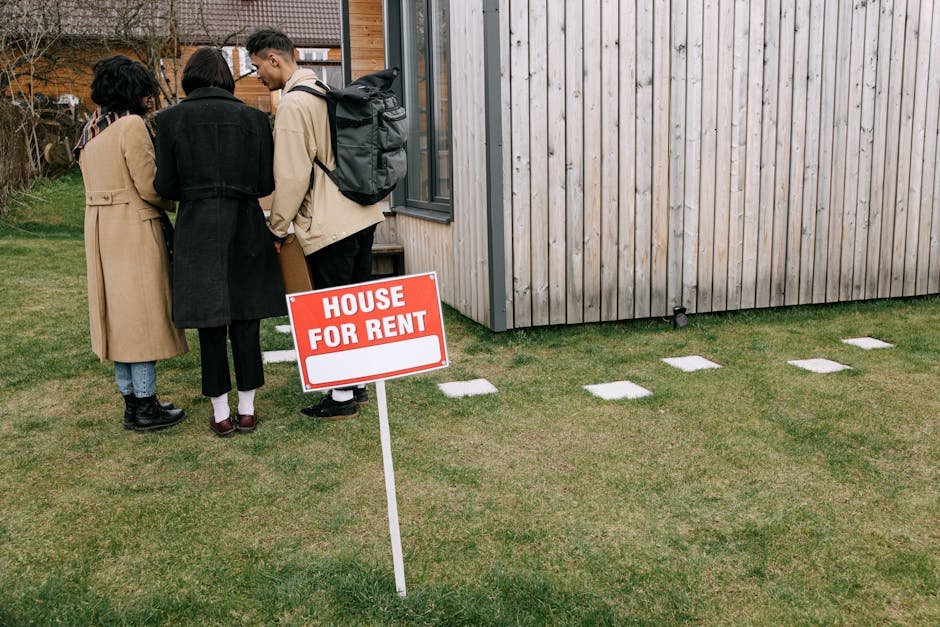
The renting vs buying psychology among mature adults often reflects sophisticated financial planning rather than inability to purchase. Linda Walsh, a 61-year-old financial planner who waited three months for her current Boston rental, represents this strategic mindset perfectly.
“I ran the numbers eighteen different ways,” Walsh explains. “Between property taxes, maintenance reserves, HOA fees, and the opportunity cost of my down payment—which I have earning 8% in the market—homeownership would cost me an additional $1,200 monthly. That’s $14,400 annually I can deploy elsewhere.”
Walsh’s analysis included factors that younger buyers often overlook. She calculated the tax implications of property ownership at her income level, estimated annual maintenance costs at 2% of home value, and factored in the reality that she might downsize again in ten to fifteen years. Her conclusion? The transaction costs alone—buying now and selling later—would eliminate most equity gains.
This sophisticated financial analysis has become increasingly common among mature renters who view housing through the lens of total return rather than emotional ownership satisfaction. Many have accumulated significant wealth through other investments and see no compelling reason to tie up capital in real estate.
Quality Over Ownership: The Waiting List Advantage
Here’s what surprises many people about rental waiting lists: they’re not just for affordable housing anymore. Premium rental communities regularly maintain waiting lists of prospective tenants willing to wait months for the right unit. These mature renters aren’t settling—they’re strategically positioning themselves for exactly what they want.
Consider the amenities that drew Thompson to her Cherry Creek rental community:
- 24-hour concierge service that accepts packages and coordinates maintenance
- Professional landscaping and snow removal
- Fitness center and pool maintained by staff
- Community events and social opportunities
- Walking distance to restaurants, cultural venues, and medical facilities
- Guest accommodations for visiting family
“To replicate this lifestyle in homeownership, I’d need a house worth at least $800,000, plus staff costs for landscaping and maintenance,” Thompson calculates. “My rent is $3,200 monthly, which pencils out to about $450,000 in home value—except I get amenities that even million-dollar homes don’t typically include.”
The waiting list itself serves as a filtering mechanism, ensuring that tenants are committed to the community long-term. Property managers report that tenants who wait for specific units tend to stay longer and take better care of their spaces, creating stable communities that many mature adults prefer over transient neighborhoods.
Flexibility as a Lifestyle Asset
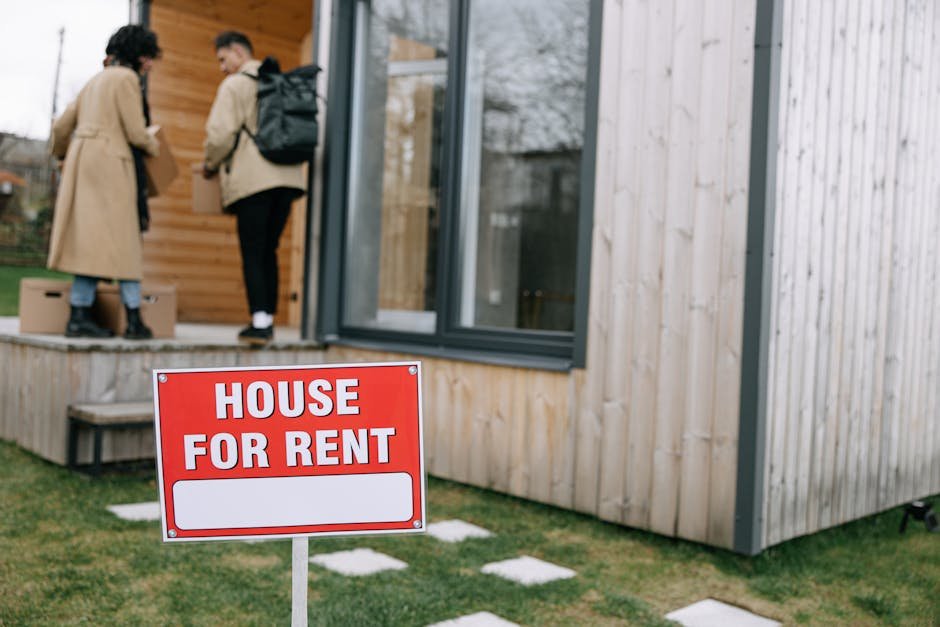
For many professionals approaching retirement, flexibility trumps permanence. The 50+ housing choices conversation has evolved beyond simple rent-versus-buy calculations to encompass lifestyle adaptability. Sarah Kim, a 59-year-old marketing executive, exemplifies this mindset.
“I waited eight weeks for my current place, and it was worth every day,” Kim reflects. “But here’s the thing—I might want to relocate closer to grandchildren in five years, or I might want to spend winters somewhere warmer. Homeownership would complicate those decisions enormously.”
Kim’s rental agreement includes clauses for early termination with sixty days’ notice, something she negotiated during the application process. She pays a modest premium—an additional $200 monthly—for this flexibility, considering it insurance against life’s unpredictability.
The COVID-19 pandemic accelerated many professionals’ appreciation for housing flexibility. Several mature renters interviewed mentioned friends who struggled to relocate during career transitions or family emergencies because they owned property that didn’t sell quickly or at expected prices.
The Social Factor in Mature Rental Communities
An unexpected benefit of rental waiting lists has emerged around community building. Unlike homeownership, where neighbors might remain strangers for years, intentional rental communities often foster stronger social connections.
“The other residents and I all chose to be here deliberately,” explains Martinez from his Austin apartment. “We’re not just neighbors by circumstance—we’re people who valued the same lifestyle enough to wait for it. That creates a different dynamic entirely.”
Property managers have noticed this phenomenon too. Communities with waiting lists report higher tenant satisfaction scores and more robust social programming. Residents organize book clubs, wine tastings, and travel groups at rates significantly higher than typical rental properties.
For mature adults who might otherwise face social isolation, especially those who are divorced or widowed, these communities provide built-in social networks without the obligations of homeowner associations or neighborhood politics.
Financial Liquidity in Uncertain Times
The renting vs buying psychology among older adults increasingly factors in economic uncertainty and healthcare considerations. Keeping assets liquid provides security that property ownership can’t match, especially for those approaching major life transitions.
Walsh, the financial planner, keeps her housing costs to 18% of gross income—well below the traditional 28% recommendation. “The difference goes straight to investments that I can access if needed,” she explains. “Property equity is theoretical until you sell. My portfolio is real money I can deploy for healthcare, family emergencies, or opportunities.”
Recent surveys indicate that 34% of renters over age fifty maintain housing cost ratios below 25% of income, compared to just 19% of homeowners in the same age bracket. This conservative approach to housing costs provides financial flexibility that many mature adults prize above equity accumulation.
Thompson’s experience illustrates this perfectly. When her consulting business faced a slow period last year, she had sufficient liquid reserves to maintain her lifestyle without stress. “If I’d owned a $600,000 home, I would have been house-rich but cash-poor,” she observes. “That’s a vulnerable position at my age.”
The Future of Mature Rental Markets
Real estate developers have begun responding to demand from mature renters with purpose-built communities targeting this demographic. These aren’t senior living facilities but luxury rental properties designed around the preferences of financially comfortable adults who choose renting over ownership.
Features increasingly common in these developments include home offices, pet amenities, guest suites, and maintenance-free outdoor spaces. Some communities even offer services like house cleaning, meal delivery coordination, and concierge healthcare appointment scheduling—amenities that would be prohibitively expensive for individual homeowners.
As this market segment grows, rental waiting lists for premium properties are becoming longer and more competitive. Some communities now pre-qualify applicants and maintain prioritized waiting lists based on financial stability and community fit rather than simple first-come, first-served policies.
The implications extend beyond individual housing choices. Urban planners increasingly recognize that mature renters contribute to neighborhood stability and local business vitality in ways that differ from traditional homeowner patterns. These residents often have higher disposable incomes for local services and cultural activities, supporting vibrant mixed-income communities.
For the growing cohort of mature renters choosing waiting lists over immediate homeownership, the decision represents more than housing strategy—it’s a lifestyle philosophy that prioritizes flexibility, financial liquidity, and stress-free living over traditional markers of success. As housing costs continue rising and life expectancy extends, this approach may become not just viable but optimal for many Americans navigating their later decades with intention and wisdom.