
When Sandra Martinez got her lease renewal letter last month, she stared at the number for a full minute. Her cozy two-bedroom apartment in Austin—the one she’d called home for six years—was jumping from $2,400 to $3,200 per month. That’s a 33% increase that would eat nearly half her take-home pay as a 52-year-old nonprofit director. “I literally laughed out loud,” she says, “because what else can you do when the math stops making sense?”
Martinez isn’t alone. Across expensive metro areas, rising rent costs are forcing a growing number of older renters to dust off homeownership calculators they haven’t touched in decades. After years of embracing the flexibility and freedom that comes with renting, many are discovering that their monthly housing costs now rival mortgage payments on homes they once thought were out of reach.
The shift represents a fundamental change in how Americans over 45 think about housing. Where previous generations followed predictable patterns—rent in your twenties, buy in your thirties, pay off mortgages by retirement—today’s older renters are navigating uncharted territory where traditional financial wisdom bumps up against market realities that would have seemed impossible just five years ago.
The Numbers That Changed Everything
Rising rent costs have accelerated at rates that outpace both inflation and wage growth, with some markets seeing increases that border on the absurd. In Hoboken, New Jersey, rent increases of 32% have become commonplace, pushing one-bedroom apartments well past $3,000. Similar patterns emerge across expensive coastal cities: Seattle renters report 28% jumps, while parts of Los Angeles have seen increases approaching 40%.
But here's what‘s different about older renters facing these increases—they’re typically earning at or near peak salaries, own investment accounts, and have established credit histories that make them attractive borrowers. When 35-year-old renters get priced out, they often lack the financial resources to pivot quickly. When 55-year-old renters face the same increases, they frequently have options.
“I’ve had more conversations about homeownership in the past six months than in the previous six years combined,” says Jennifer Walsh, a financial advisor in Portland who works primarily with clients over 45. “People who swore off buying are running the numbers and realizing that owning might actually cost less than staying put.”
The calculations can be startling. Martinez discovered that a $450,000 condo—with 20% down and today’s mortgage rates—would cost roughly $2,800 per month including HOA fees and property taxes. That’s $400 less than her new rent, before factoring in tax deductions and equity building.
The 5% Rule Meets Real Life
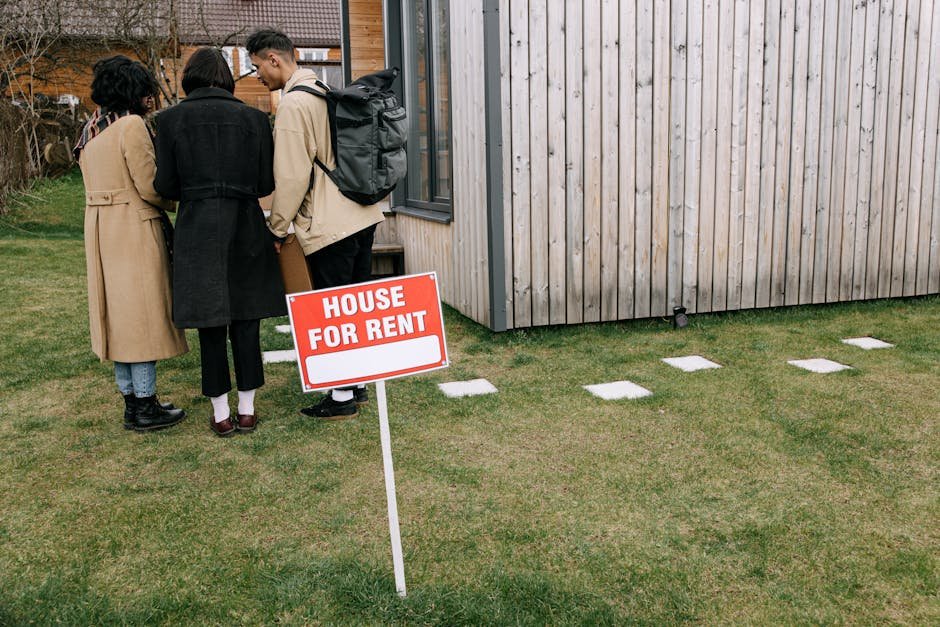
Financial advisors often recommend the 5% rule when evaluating rent versus buy decisions: if annual rent exceeds 5% of a home’s purchase price, buying typically makes more financial sense. But that neat formula gets complicated when you’re 50-something and rising rent costs keep shifting the equation.
Take Robert Chen, a 47-year-old software engineer in San Francisco whose Mission District apartment jumped from $3,500 to $4,600 in one year. At $4,600 monthly—or $55,200 annually—the 5% rule suggests he should consider purchasing anything priced under $1.1 million. In San Francisco’s market, that opens surprisingly few doors, but it does make some previously unthinkable condos suddenly seem reasonable.
“The rule assumes stable rent,” Chen explains. “But when your rent increases by $1,100 in twelve months, you start wondering what next year looks like. And the year after that.”
Walsh points out that older renters often benefit from more nuanced calculations. “Someone who’s 28 might plan to move across the country for a job opportunity. Someone who’s 52 usually has deeper roots—kids in local schools, aging parents nearby, established professional networks. That stability makes homeownership calculations more favorable.”
Unique Considerations for Later-in-Life Buyers
But older renters considering homeownership face decisions that younger buyers rarely contemplate. Retirement timelines loom larger when you’re evaluating 30-year mortgages. Mobility needs matter more when you’re thinking about stairs and maintenance responsibilities.
Lisa Park, who recently bought her first home at age 54 in Denver, spent months weighing factors her younger colleagues never considered. “I had to think about whether I’d want to shovel snow in my seventies, whether two-story living would work if I had mobility issues, whether I’d want to deal with home repairs on a fixed income.”
The homeownership decision becomes particularly complex for older renters who value flexibility. Many have grown accustomed to calling landlords when appliances break or leases expire. The prospect of handling maintenance, property taxes, and major repairs can feel overwhelming after decades of rental living.
Yet rising rent costs are forcing these conversations. Park’s rent had increased 45% over three years, from $1,800 to $2,600 for a one-bedroom apartment. “I realized I was paying someone else’s mortgage anyway,” she says. “At least now I’m building equity instead of just funding my landlord’s retirement.”
Tax Implications That Actually Matter After 50
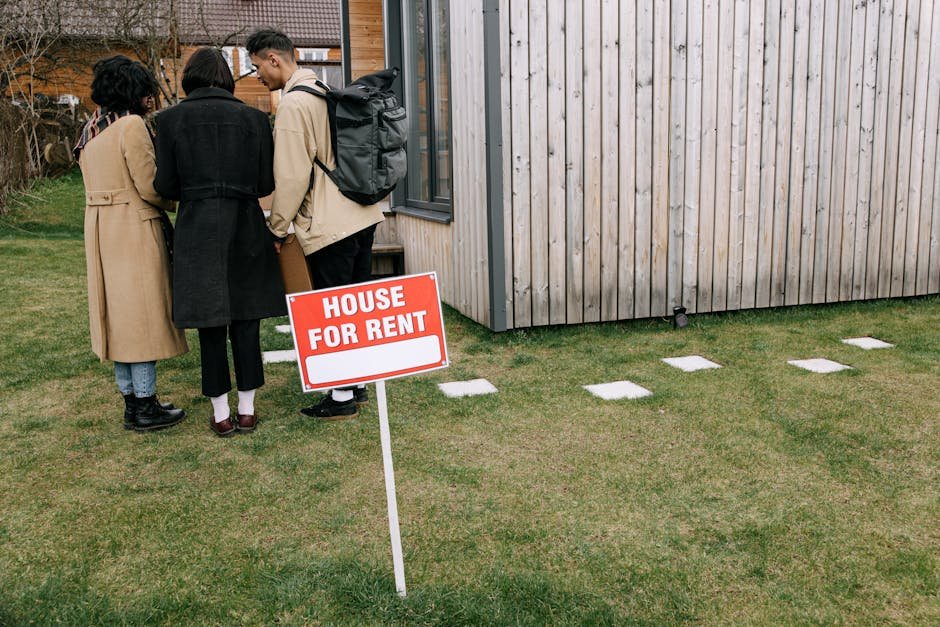
The tax benefits of homeownership become more valuable for older buyers who typically earn higher salaries and have greater ability to itemize deductions. While younger buyers might not benefit much from mortgage interest deductions—especially with higher standard deduction limits—older buyers often see real tax savings.
“A 52-year-old earning $85,000 is in a completely different tax situation than a 28-year-old earning $45,000,” explains Marcus Rodriguez, a CPA who specializes in real estate transactions. “The mortgage interest deduction, property tax deductions, and depreciation benefits for investment properties can create substantial savings.”
For older renters, these tax benefits can effectively reduce monthly housing costs in ways that younger buyers can’t always access. Rodriguez calculated that his typical 50+ homebuyer saves between $200 and $400 monthly through various tax advantages—savings that make the rent versus buy calculation even more favorable.
There’s also the wealth-building aspect that becomes more critical as retirement approaches. “Every rent check represents money you’ll never see again,” Rodriguez notes. “When you’re 25, that might not matter much. When you’re 55 and thinking about retirement funding, building home equity becomes part of your financial security strategy.”
Market Timing for Reluctant Buyers
Older renters entering the homeownership market face unique timing challenges. Unlike younger buyers who might have decades to ride out market fluctuations, 50+ buyers need to think carefully about purchase timing and exit strategies.
Real estate agent Patricia Wong, who works extensively with older first-time buyers in Seattle, recommends focusing on properties with broad appeal rather than highly personalized choices. “Someone buying at 35 might renovate extensively because they plan to stay 15 years. Someone buying at 55 should think about resale value and universal accessibility features.”
The strategy seems to be working. Wong’s older clients typically see faster appreciation and easier resales than younger buyers who prioritize trendy features over solid fundamentals. “They buy better bones,” she explains. “Less focused on granite countertops, more interested in good mechanicals and smart layouts.”
Market timing also involves interest rate considerations that affect older buyers differently. While younger buyers might refinance multiple times over decades of ownership, older buyers often plan to pay off mortgages within 10-15 years. This shorter timeline makes initial interest rates more important and refinancing opportunities less relevant.
When Renting Still Makes Sense
Despite rising rent costs, homeownership isn’t always the right answer for older renters. Some situations strongly favor continued renting, even at higher prices.
Geographic flexibility remains crucial for many 50+ professionals. Dr. Amanda Foster, a 49-year-old consultant who travels extensively, recently renewed her Boston lease despite a $500 monthly increase. “I’m gone 60% of the time for work,” she explains. “Having building management handle everything while I’m traveling is worth the premium.”
Health considerations also factor heavily. Renters dealing with serious health issues or caring for aging parents often need housing flexibility that homeownership can’t provide. The ability to relocate quickly—whether for better medical care or family needs—can outweigh financial benefits of ownership.
Some older renters have also discovered creative solutions to rising rent costs that don’t involve buying. House-sitting arrangements, senior housing cooperatives, and multigenerational living situations offer alternatives that provide stability without ownership responsibilities.
The New Housing Math
What’s emerging is a more complex understanding of housing decisions that goes beyond simple rent-versus-buy calculations. Older renters facing significant rent increases are asking different questions: How long do I plan to stay in this area? What does my retirement budget look like? Do I want the responsibility of property maintenance? How important is housing flexibility in my current life stage?
Martinez, the nonprofit director from Austin, ultimately decided to buy after running scenarios that accounted for her specific situation. At 52, she plans to work another 15 years and values stability over flexibility. Her mortgage payment will be lower than her increased rent, and she’ll build equity while living in a space she can modify to her preferences.
“I never thought I’d become a homeowner at this age,” she admits. “But when rising rent costs started eating into my ability to save for retirement, the math became pretty clear. Sometimes the market forces your hand, but in ways that actually work out better.”
For many older renters, that sentiment captures the surprising reality of today’s housing market. Rising rent costs that initially felt like financial punishment are pushing people toward homeownership decisions that improve their long-term financial security. It’s not the path they planned, but it might be exactly where they needed to go.