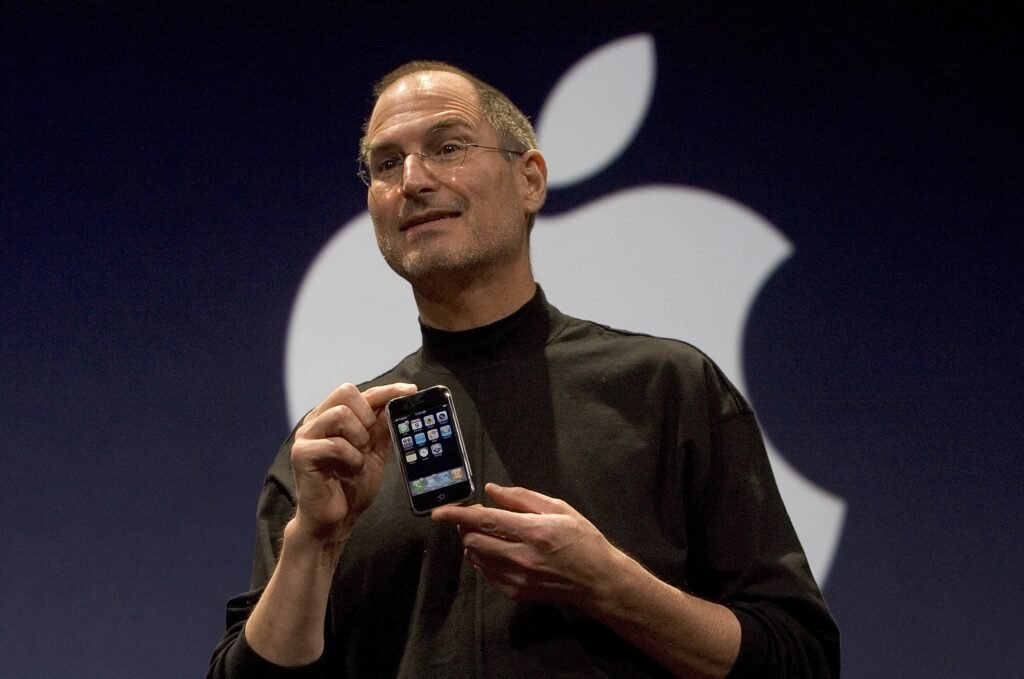
A new academic working paper is asking an uncomfortable question: did the iPhone help shrink the American family? Researchers are examining whether the spread of smartphones since Apple launched the iPhone in 2007 tracks closely enough with the persistent drop in birth rates to suggest a causal link — not just coincidence.
The paper, flagged by NPR on Thursday, June 12, 2026, doesn’t claim a clean answer. Birth rates have fallen steadily across the nearly two decades since the iPhone’s debut, and the working paper’s authors say the timing deserves scrutiny. What they can’t yet settle is whether smartphones are driving fewer births, or whether both trends share a common cause.
That distinction matters — a lot. Correlation between two long-running trends is the oldest trap in social science research, and critics of this line of inquiry have made exactly that point before. The working paper’s status as a working paper means it hasn’t cleared peer review yet; its conclusions remain provisional.
Still, the hypothesis isn’t fringe. Researchers have spent years connecting heavy smartphone use to delayed marriage, reduced in-person socializing, and declining rates of sexual activity among young adults — each of which feeds into birth rate data. The iPhone didn’t just change how people communicate; it restructured how people spend their evenings, weekends, and attention spans.
NPR did not name the specific authors of the working paper or the institution behind it in its initial report. The full paper had not been publicly released as of the publication of that report.
Reporting by NPR. Read the original report.