Simone Biles lounged by her infinity pool last Monday, sporting a custom “rich wife” baseball cap that cost more than most people’s monthly salary. The seven-time Olympic medalist was not just enjoying her Texas mansion—she was executing a masterclass in athlete personal branding. That seemingly casual Instagram story generated thousands of comments, drove traffic to the Richwife brand’s website, and reinforced her carefully crafted image as a successful, unapologetic millionaire athlete.
The 29-year-old gymnast, with her estimated $25 million net worth, represents a new generation of elite competitors who understand that social media marketing can generate more wealth than any gold medal. While traditional athletes relied primarily on competition earnings and basic endorsement deals, today’s sports stars have transformed their personal platforms into sophisticated revenue engines that continue generating income long after their final competition.
The Million-Dollar Post: How Athlete Personal Branding Drives Revenue
Professional athletes now view every social media post through a financial lens. A single Instagram story featuring the right product can generate six-figure returns through strategic brand partnerships. Take Cristiano Ronaldo, who commands approximately $3.2 million per sponsored Instagram post, or Serena Williams, whose lifestyle brand endorsements often overshadow her tournament prize money.
The mathematics are straightforward. Athletes with millions of followers can charge between $10,000 and $100,000 for a single sponsored post, depending on their engagement rates and audience demographics. But the real money lies in long-term partnerships where athletes become equity stakeholders rather than just paid promoters.
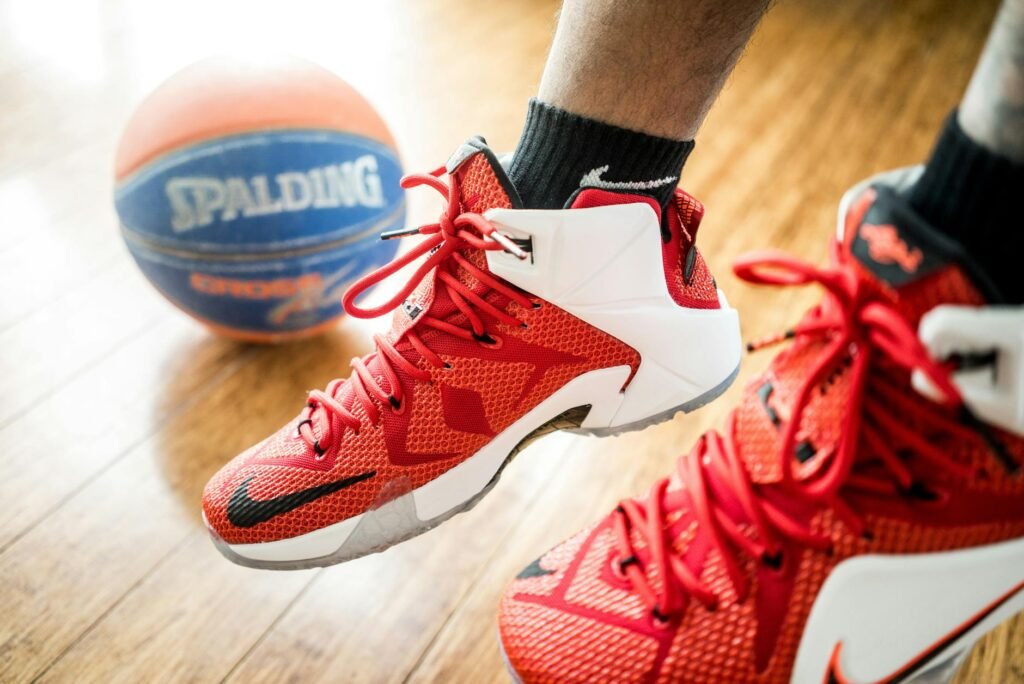
LeBron James exemplifies this approach through his lifetime deal with Nike, worth over $1 billion. The contract extends far beyond his playing career because James built his personal brand into something that transcends basketball. His social media presence—featuring carefully curated lifestyle content, family moments, and product placements—maintains his marketability regardless of his on-court performance.
Custom Merchandise: The Hidden Goldmine of Sports Marketing
The most lucrative opportunities often come through custom sports merchandise partnerships that feel authentic rather than promotional. Biles’ customized “rich wife” cap demonstrates this perfectly. The original Richwife design received her initials, an American flag, and her personal motto—transformations that likely cost thousands but generated exponential returns through organic social media exposure.
Athletes increasingly partner with smaller, lifestyle-focused brands that offer customization opportunities. These collaborations feel more genuine than traditional sports endorsements because they reflect the athlete’s actual personality and interests. The audience engagement rates for these authentic partnerships typically exceed those of obviously sponsored content by 40-60%.
Here’s how the most successful athletes structure their merchandise strategies:
- Partner with brands that align with their existing lifestyle and values
- Request custom variations that reflect their personal style or achievements
- Share the products naturally within broader lifestyle content
- Negotiate percentage-based deals rather than flat-rate sponsorships
- Maintain exclusive partnerships within specific product categories
The key difference between amateur and professional athlete personal branding lies in this strategic approach. Successful sports influencers do not simply accept payment for product placement—they negotiate ongoing revenue shares that compound over time.
Lifestyle Showcasing: Selling the Dream Beyond Sports
Modern sports fans do not just want to see athletic achievements—they want glimpses into the luxurious lifestyle that success enables. Biles’ pool-side content serves dual purposes: it reinforces her status as a successful athlete while subtly promoting aspirational lifestyle products.
This strategy works because it taps into audiences’ aspirational desires. Followers do not necessarily want to become Olympic gymnasts, but they do want to afford custom mansions, designer swimwear, and personalized accessories. When athletes showcase these lifestyle elements naturally, they create powerful marketing moments that feel like entertainment rather than advertising.
Patrick Mahomes has mastered this approach through his social media presence, which features his Kansas City mansion, luxury cars, and family lifestyle. Each post reinforces his brand as not just a successful quarterback, but as a young millionaire living an enviable life. His brand partnerships with companies like Adidas, Oakley, and Head & Shoulders feel natural because they fit seamlessly into his established lifestyle narrative.
The Business of Being Relatable: Authenticity as Currency

The most profitable athlete influencers understand that relatability drives engagement, and engagement drives revenue. Biles’ “rich wife” cap works precisely because it acknowledges her wealth with humor rather than pretension. She is not trying to hide her success—she is celebrating it in a way that feels authentic and entertaining.
This authenticity becomes particularly valuable when athletes transition from active competition to retirement. Their social media following remains engaged because the content reflects genuine personality rather than just athletic performance. Retired athletes like David Beckham and Shaquille O’Neal continue earning millions annually through social media marketing because they built personal brands that transcend their sports careers.
The most successful approaches involve strategic vulnerability. Athletes share behind-the-scenes moments, personal struggles, and family interactions that humanize their public personas. These authentic moments create emotional connections with followers, making subsequent product endorsements feel like recommendations from friends rather than paid advertisements.
Revenue Streams Beyond the Game: Long-Term Wealth Building
Elite athletes now structure their careers with post-competition income in mind from day one. Social media branding creates multiple revenue streams that often exceed competition earnings: sponsored content, merchandise partnerships, speaking engagements, book deals, and equity investments in companies they promote.
Venus Williams demonstrates this long-term approach through her interior design company, V Starr Interiors, which she regularly promotes through social media showcasing her own homes and design projects. Her tennis career created the initial platform, but her business ventures and strategic social media presence generate ongoing wealth that will continue for decades.
The financial implications are substantial. While prize money from competitions is typically one-time earnings, successful athlete personal branding creates compound returns. A well-negotiated brand partnership can generate residual income for years, especially when athletes negotiate percentage-based deals tied to sales performance.
Smart athletes also use their social media platforms to test potential business ventures before making major investments. They can gauge audience interest in products, services, or partnerships through engagement metrics, essentially conducting free market research with their existing follower base.
The Future of Athletic Wealth: Platform Independence and Equity Stakes
The next evolution in athlete personal branding involves platform independence and equity participation. Rather than simply promoting other companies’ products, successful athletes are launching their own brands and using their social media influence to drive direct sales.
Kyrie Irving’s partnership with Nike evolved into his own signature shoe line, which he promotes extensively through social media. Similarly, Stephen Curry’s Underarmour deal includes equity stakes that make him a partial owner rather than just a spokesperson. These arrangements create long-term wealth that extends far beyond active playing careers.
The technology exists now for athletes to launch direct-to-consumer brands with minimal startup costs. Print-on-demand merchandise, dropshipping arrangements, and social commerce features allow athletes to test product concepts quickly and scale successful ventures without major upfront investments.
What separates truly successful athlete entrepreneurs from those who simply cash endorsement checks is their willingness to think beyond immediate payouts. They view their social media followers as customers for their own ventures rather than just audiences for other companies’ advertisements.
The athletes building the most sustainable wealth are those who recognize that their competitive careers represent just the beginning of their earning potential. Through strategic athlete personal branding, authentic social media marketing, and long-term business thinking, they are transforming temporary fame into permanent financial security. The game has changed, and the smartest players are winning both on and off the field.